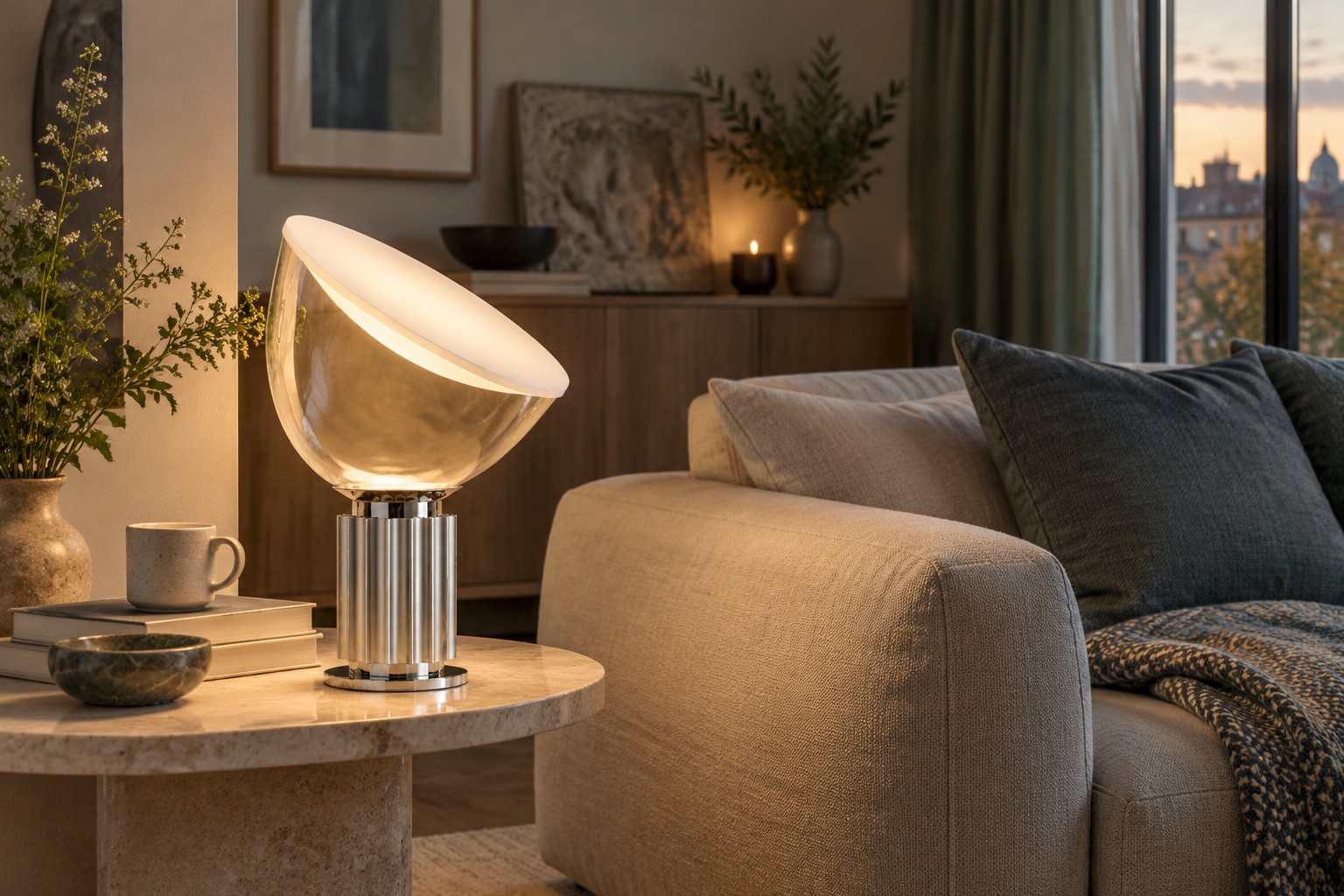
Where to Place Table Lamps in the Living Room for Better Balance
If you are deciding where to place table lamps in the living room, begin with the way the room is used after sunset. Put light beside activities, across from visually heavy furniture and near surfaces that can support the lamp safely. A balanced room does not require matching lamps in perfect symmetry; it needs light distributed across the places where people sit, move and look.
Before You Move a Lamp, Map the Room After Dark
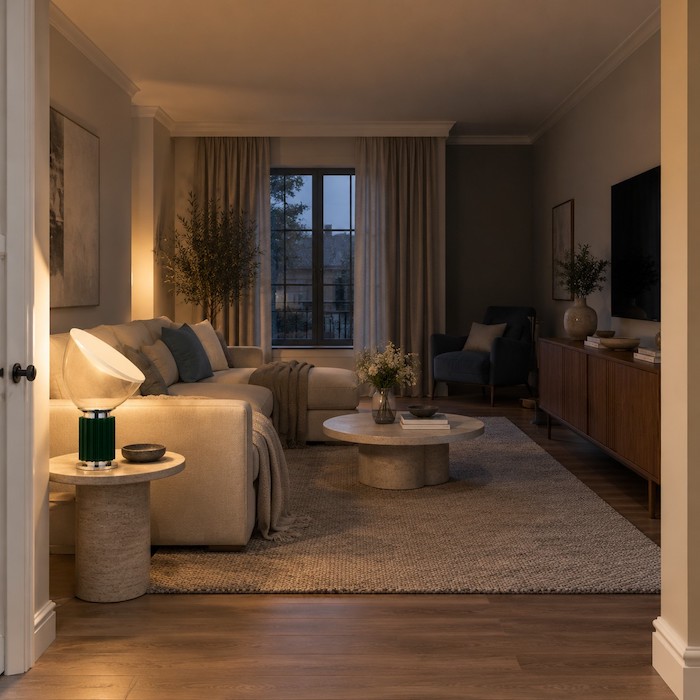
Daylight can hide an uneven evening plan. Turn on the lights you genuinely use, sit in the usual seats and look towards the television, artwork and doorways. Note three things: where a person needs useful light, where the room falls into an empty dark patch and where a bright lamp would sit directly in the eye line.
Then list the surfaces that can actually hold a lamp: side tables, a console, a low cabinet or a substantial shelf. A suitable position needs enough depth for the base, room for ordinary objects and a cable route that does not cross a walkway. This first pass prevents a visually attractive placement from becoming awkward in daily use.
Step 1: Give Every Table Lamp One Primary Job
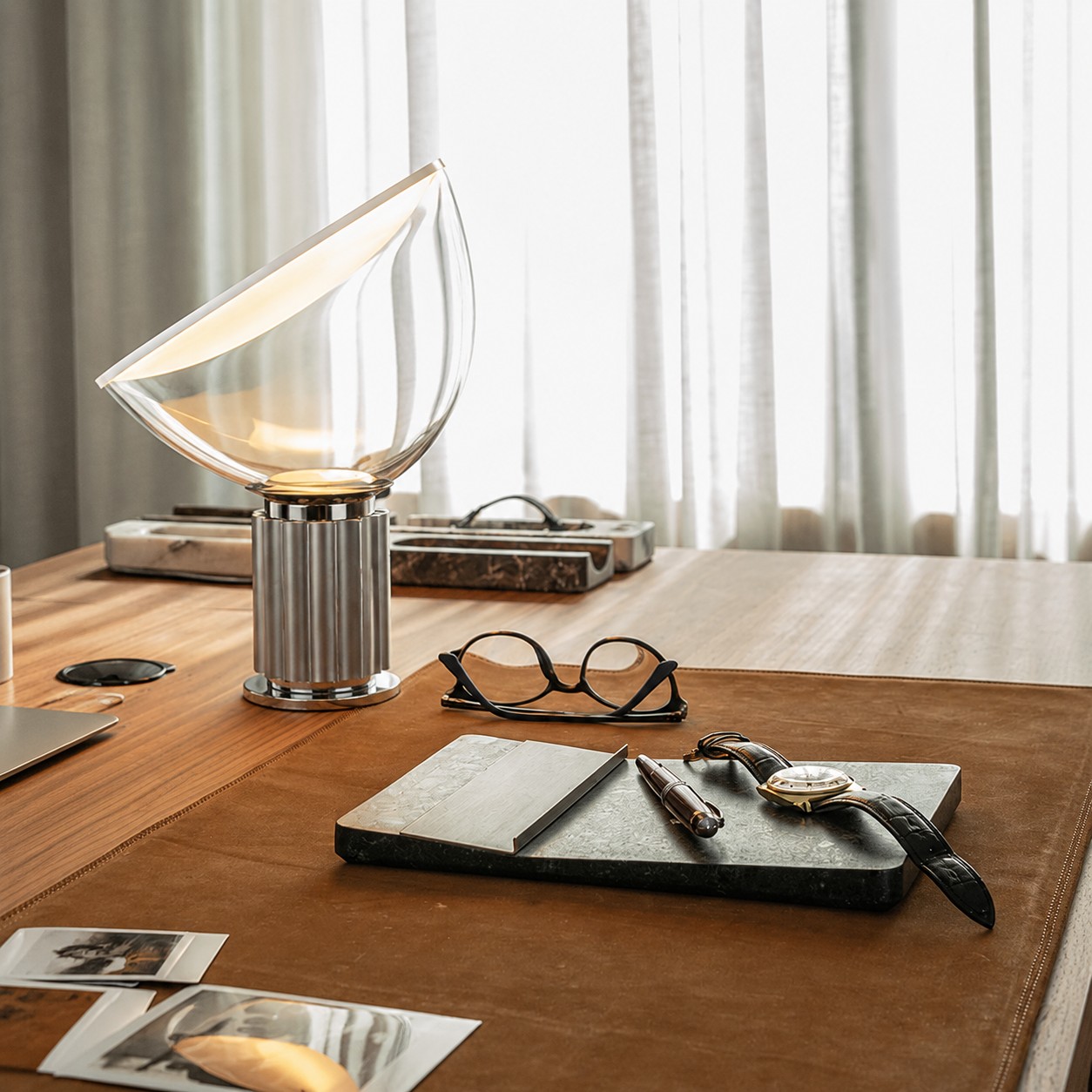
A lamp can contribute to more than one effect, but placement becomes easier when it has a primary job. A lamp beside an armchair supports reading and conversation. A lamp on a console fills a dark wall and strengthens a focal point. A sculptural lamp on a cabinet may mainly add a low pool of ambient light.
Do not begin by asking where an empty tabletop is. Ask what the room cannot do comfortably at night. If choosing the lamp itself is still the harder decision, the companion guide How to Choose a Table Lamp for Task Light and Evening Ambience separates functional task light from softer ambient use.
Step 2: Start with the Three Most Useful Placement Zones
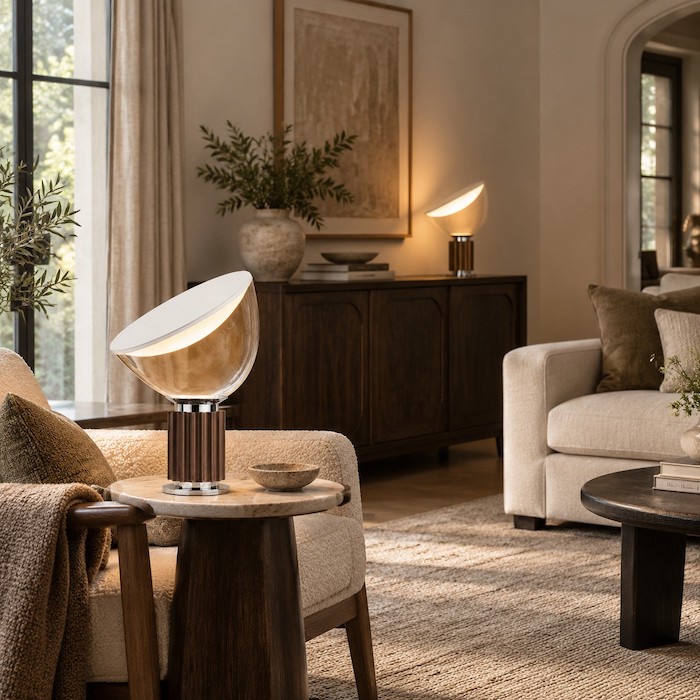
Beside the main sofa or armchair
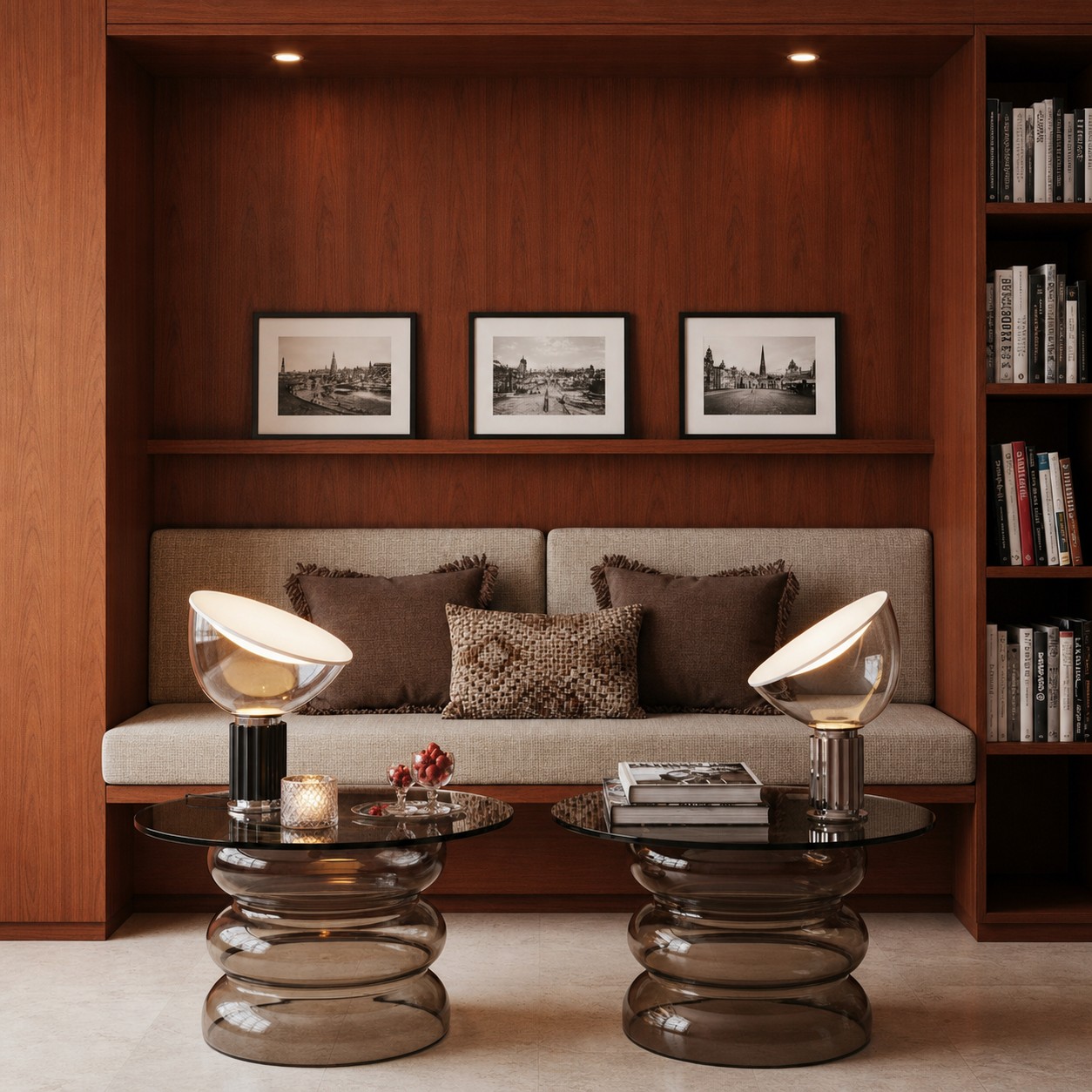
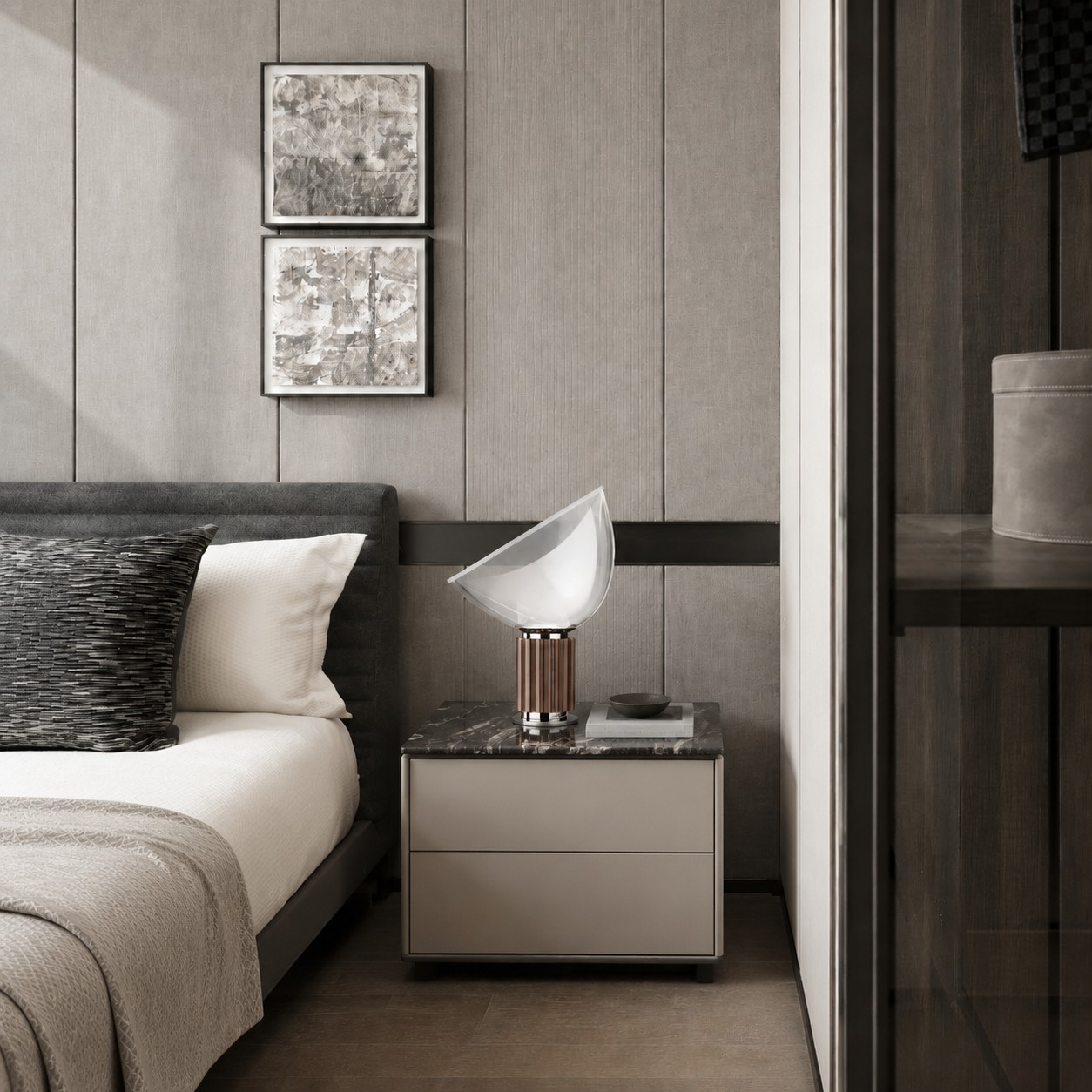
This is usually the strongest first position because it connects light with a real activity. Place the lamp close enough to reach the switch without stretching. From a seated position, the brightest part of the bulb or reflector should not dominate the view. If the table is narrow, prioritise a stable footprint over decorative accessories.
On a console behind or opposite the seating
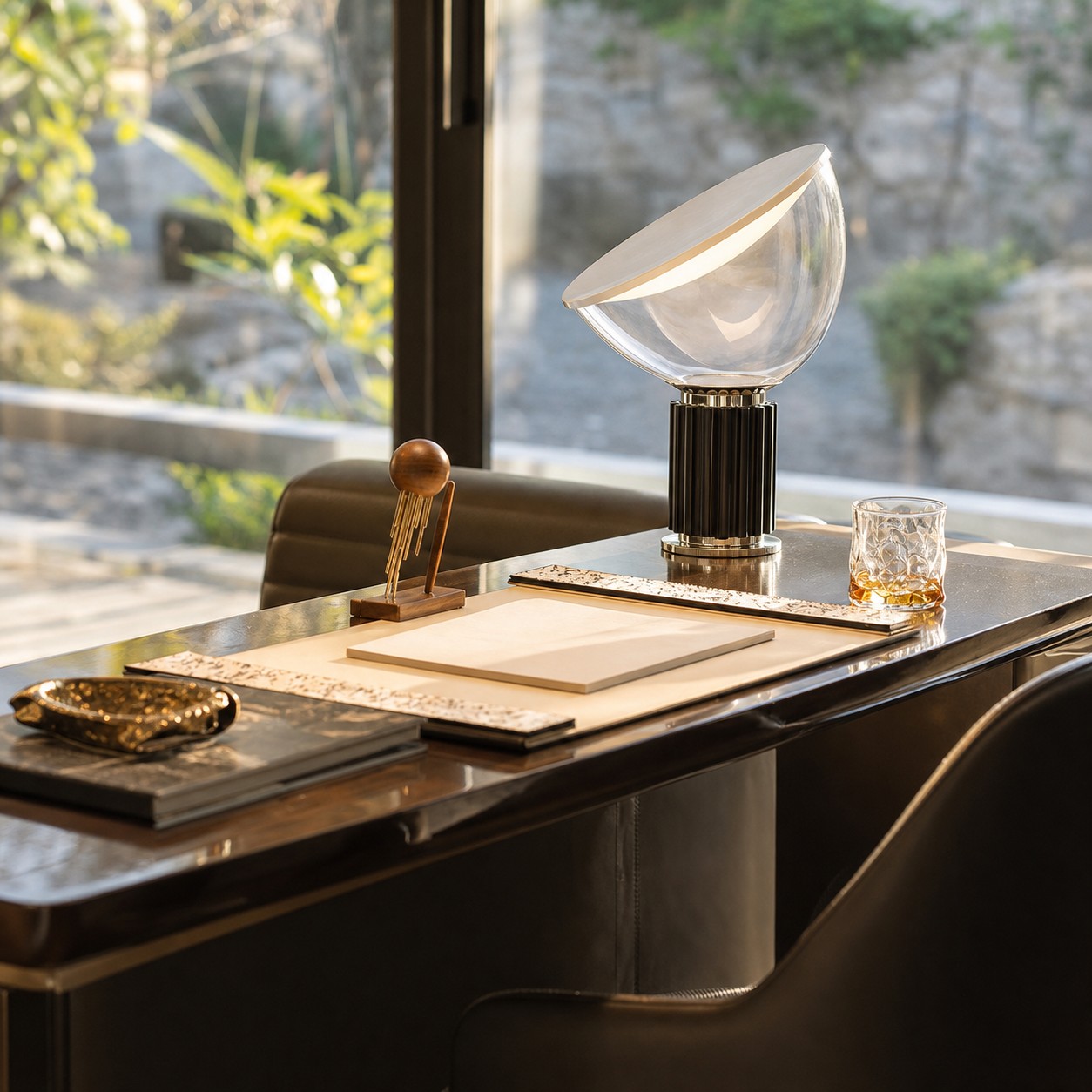
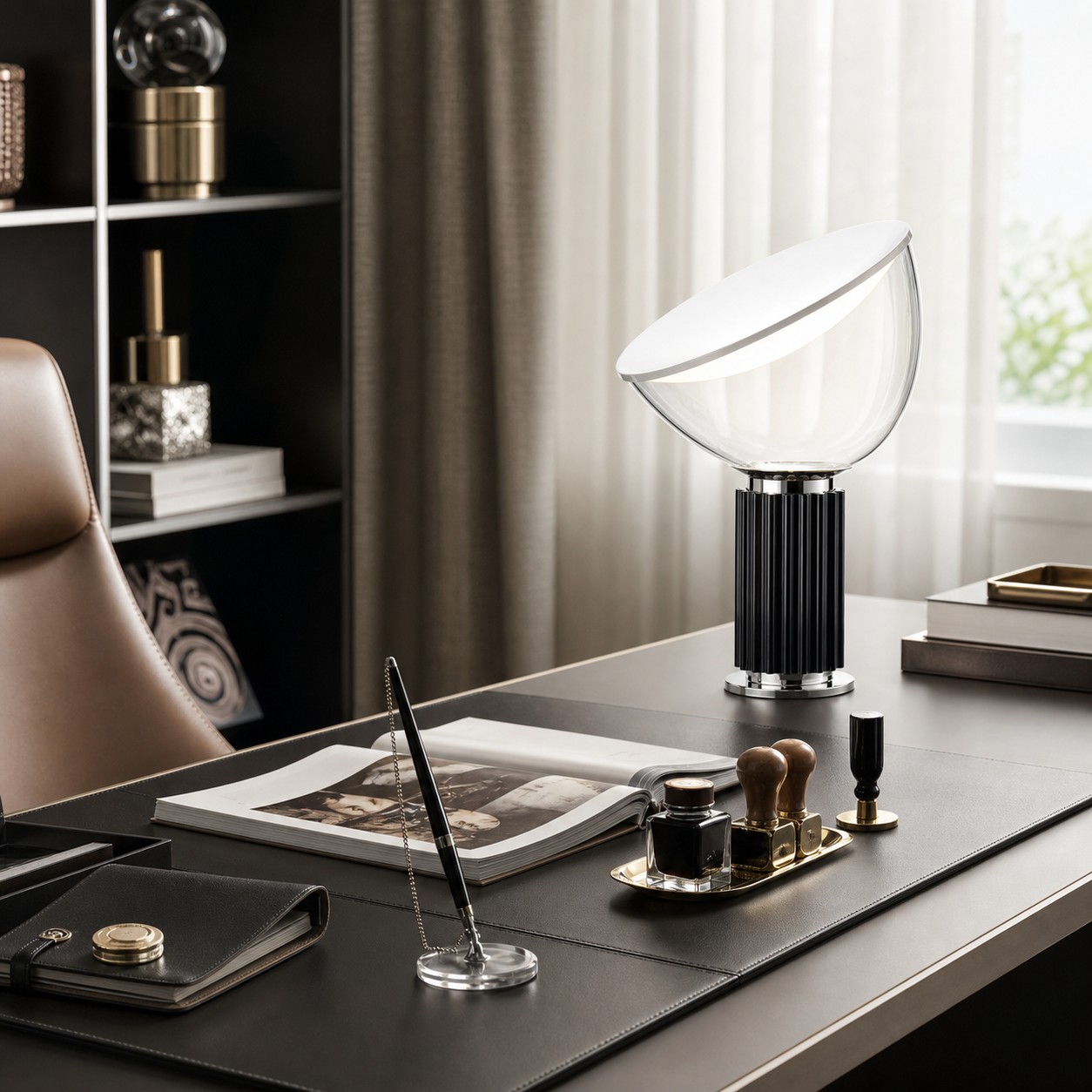
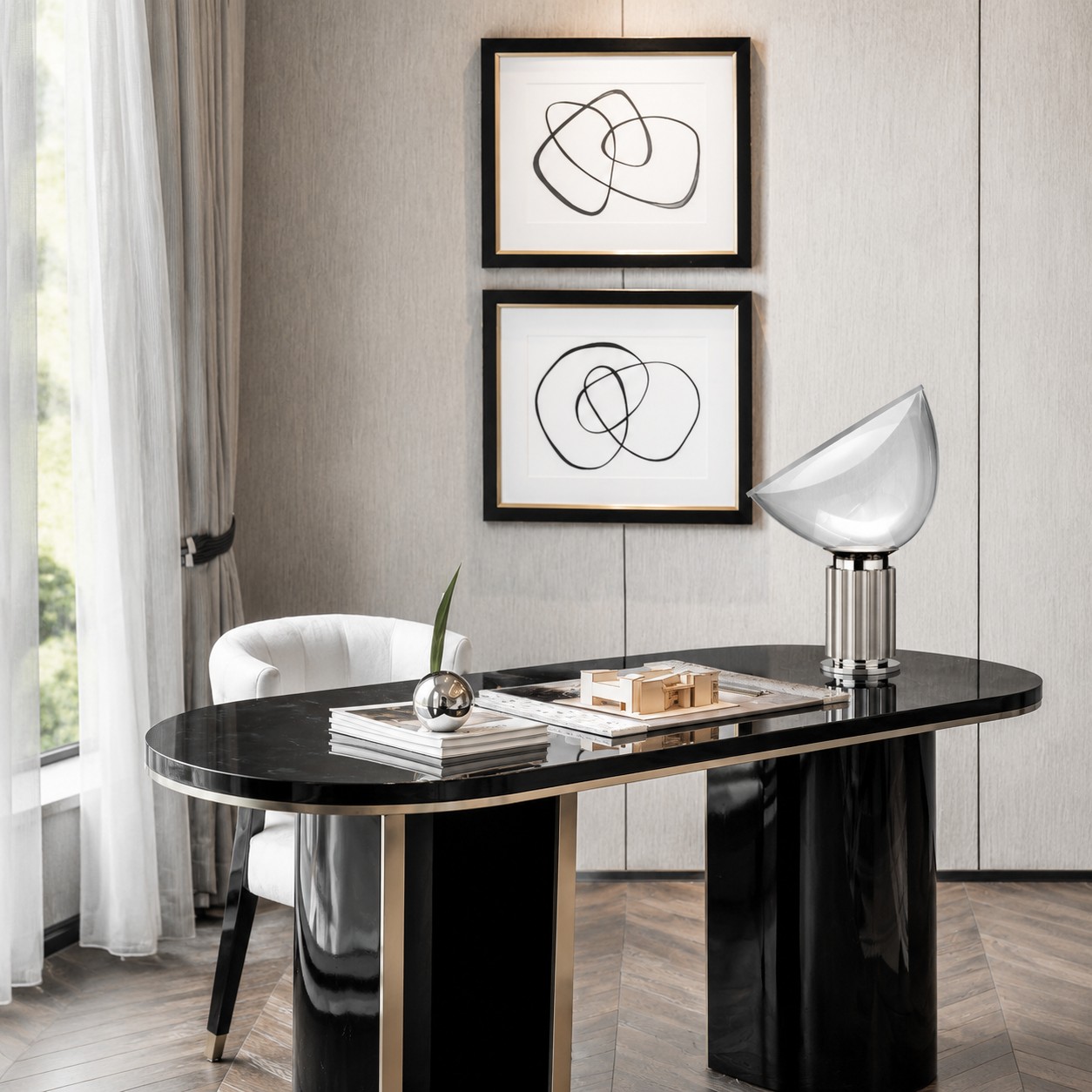
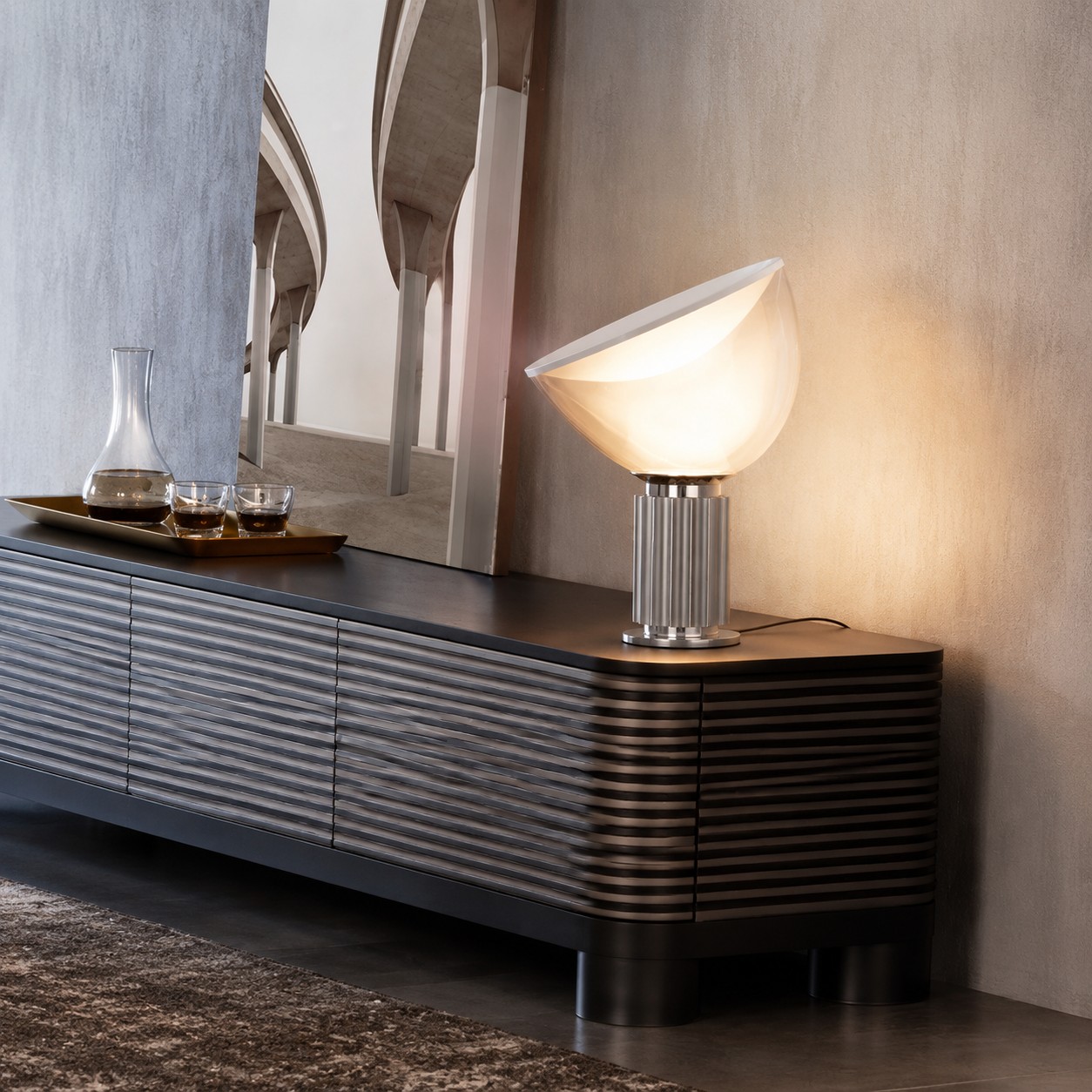
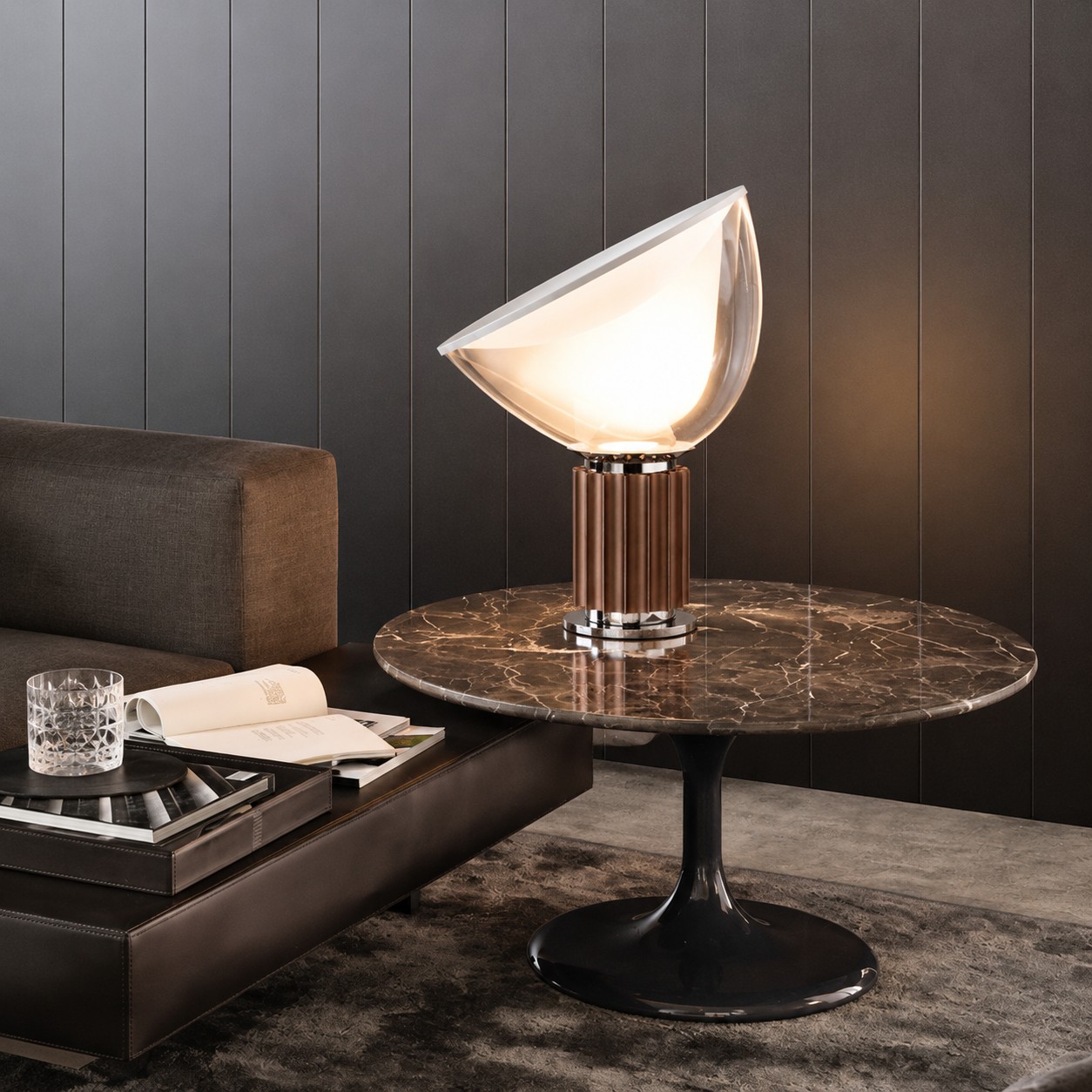
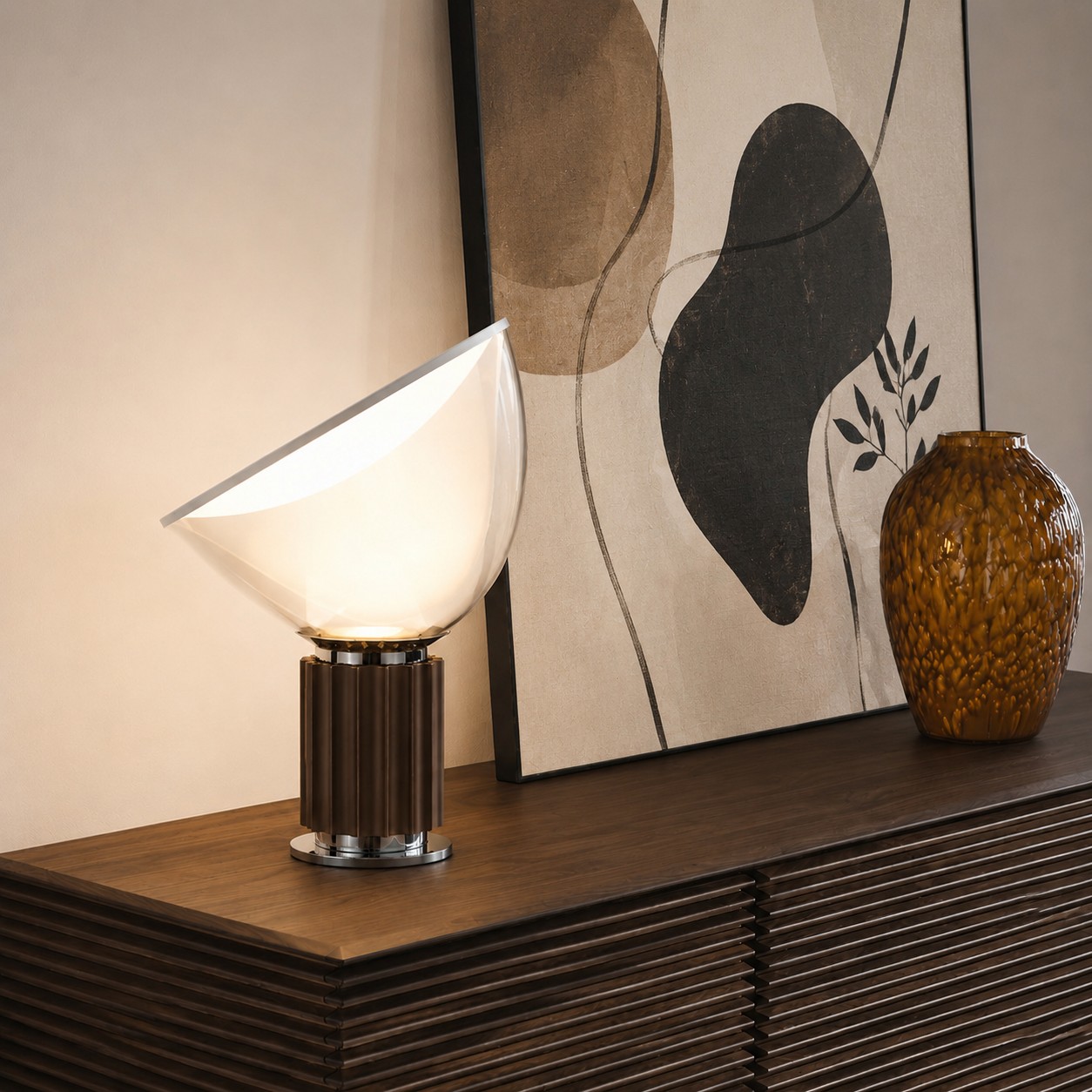
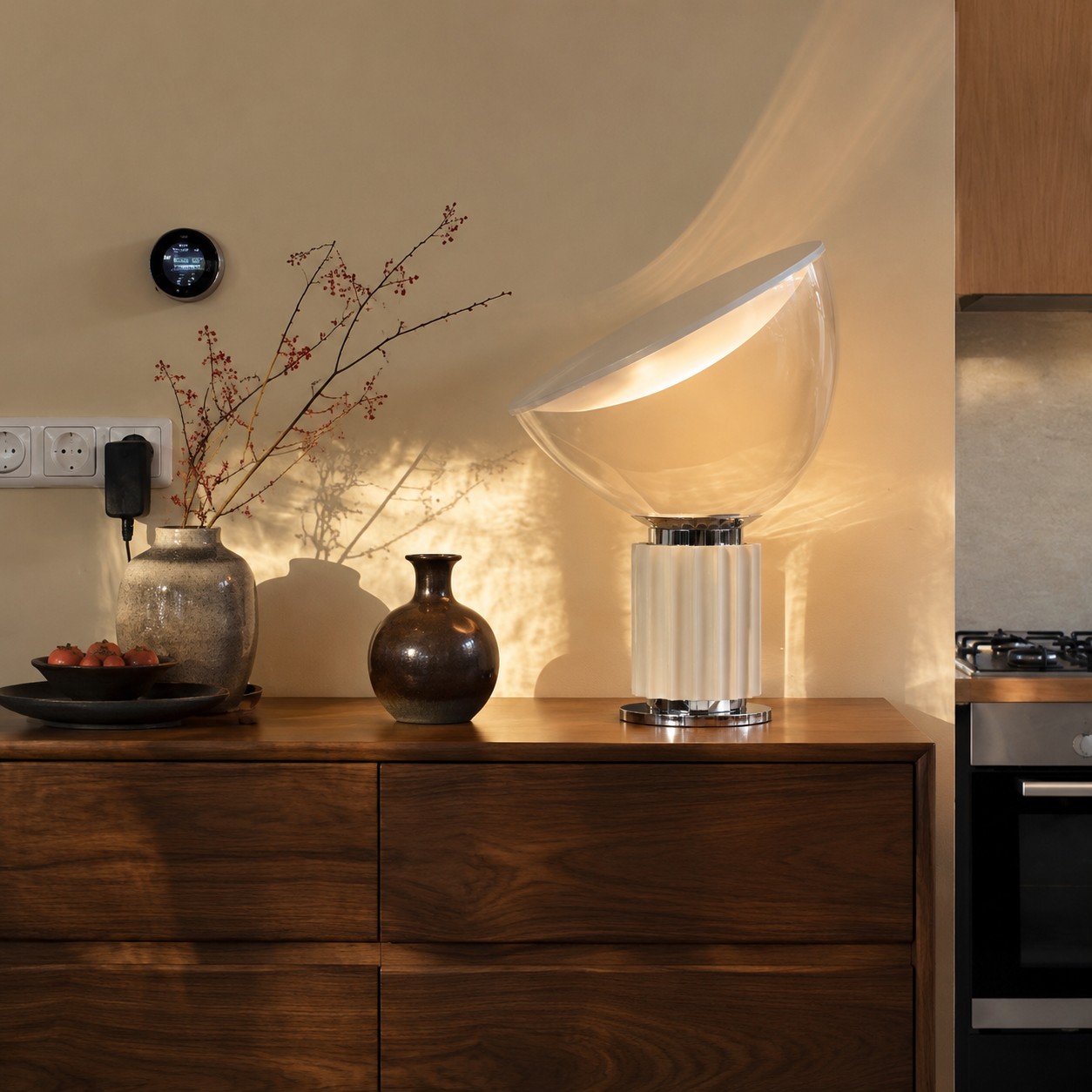
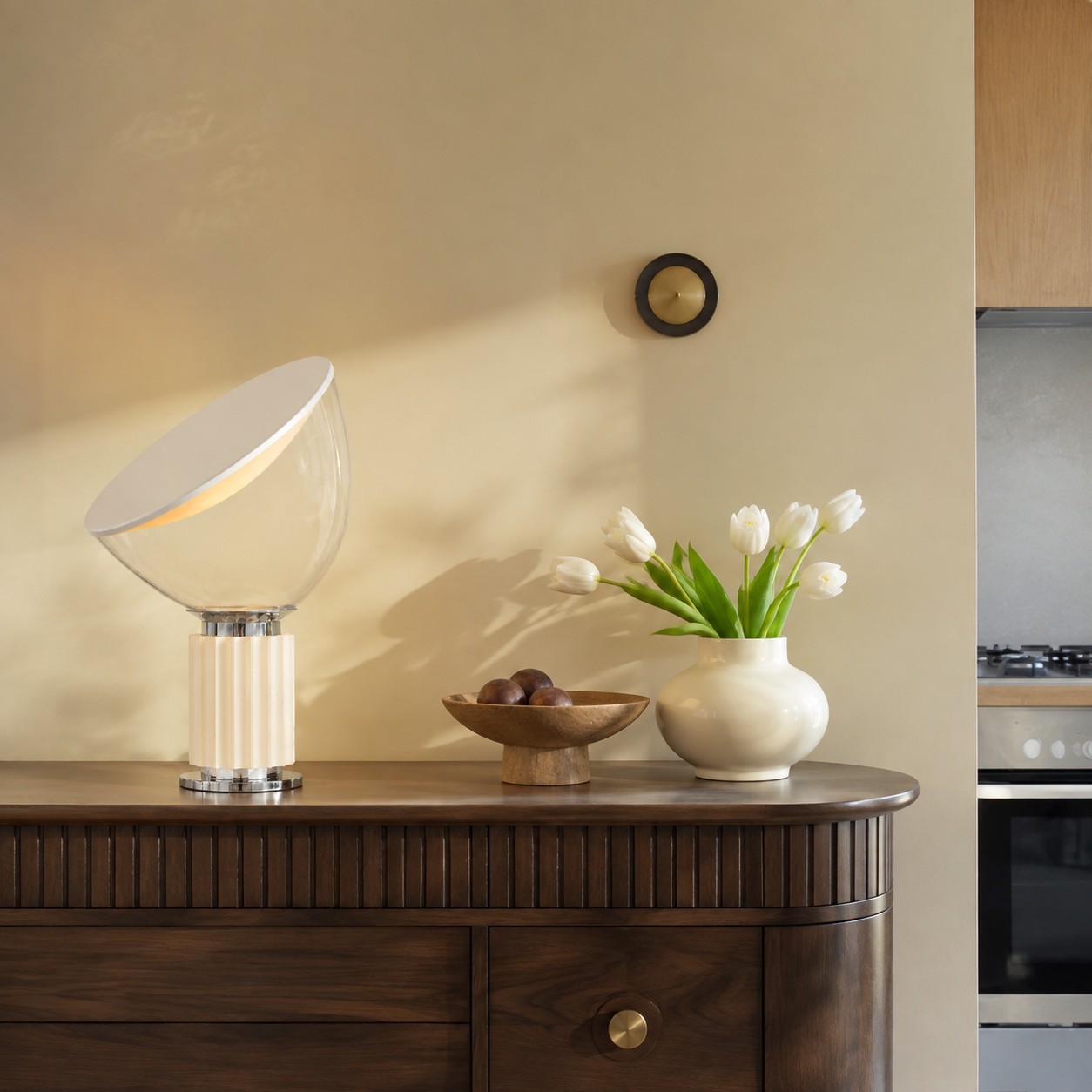
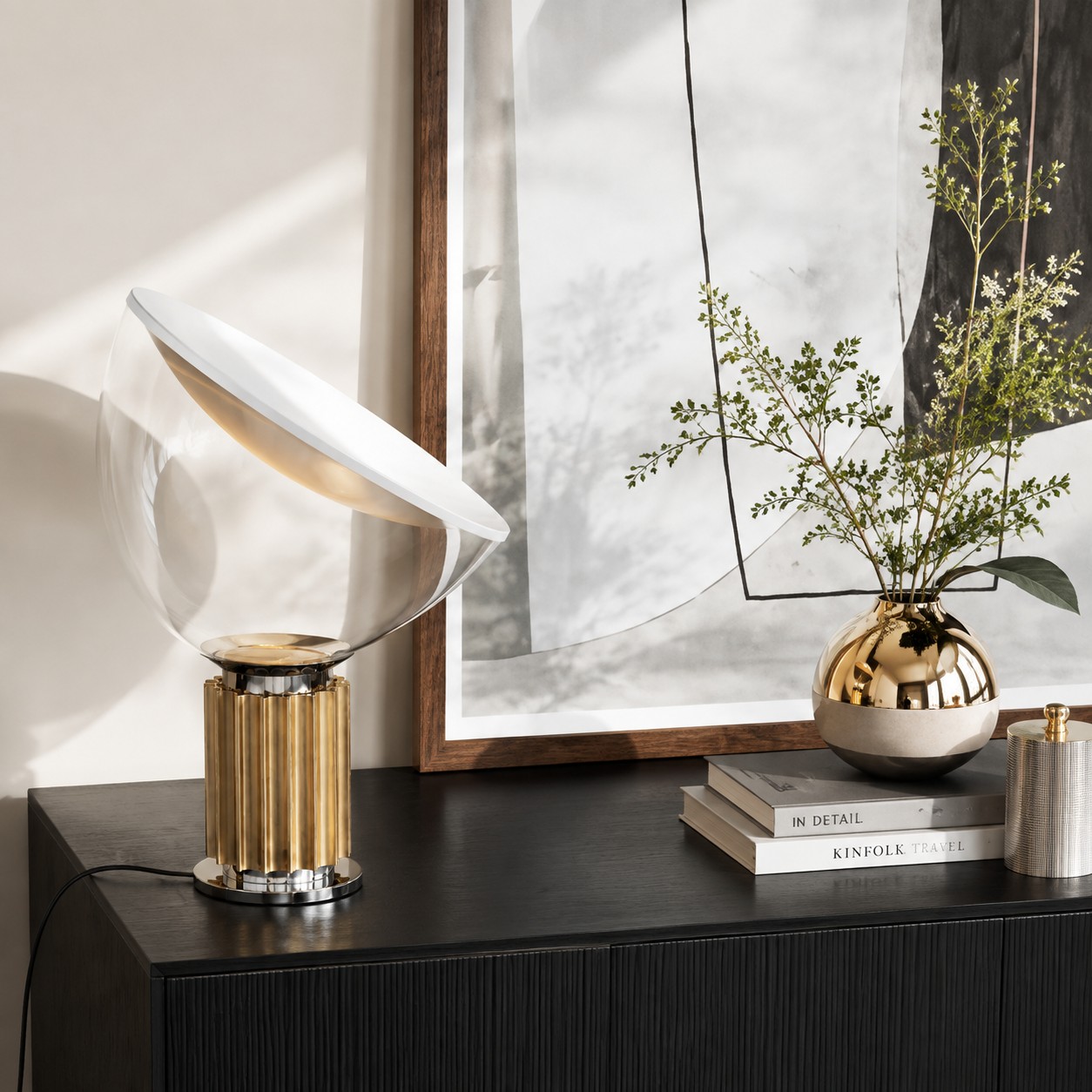
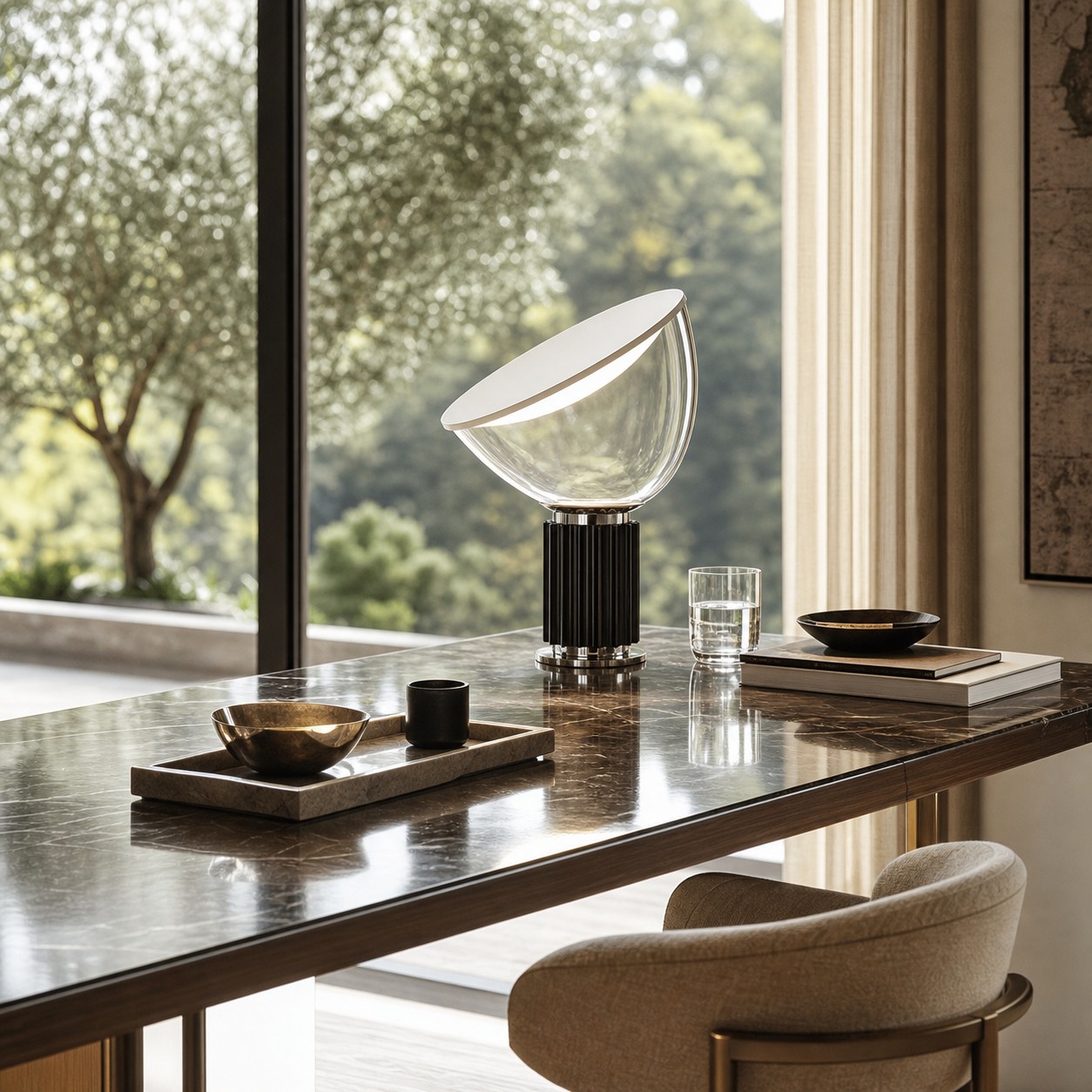
A console lamp can balance the visual weight of a large sofa, television or shelving wall. It is particularly useful when all existing light sits on one side of the room. Leave some open surface around a sculptural lamp so its outline remains readable instead of surrounding it with many small objects.
At the edge of a disconnected corner
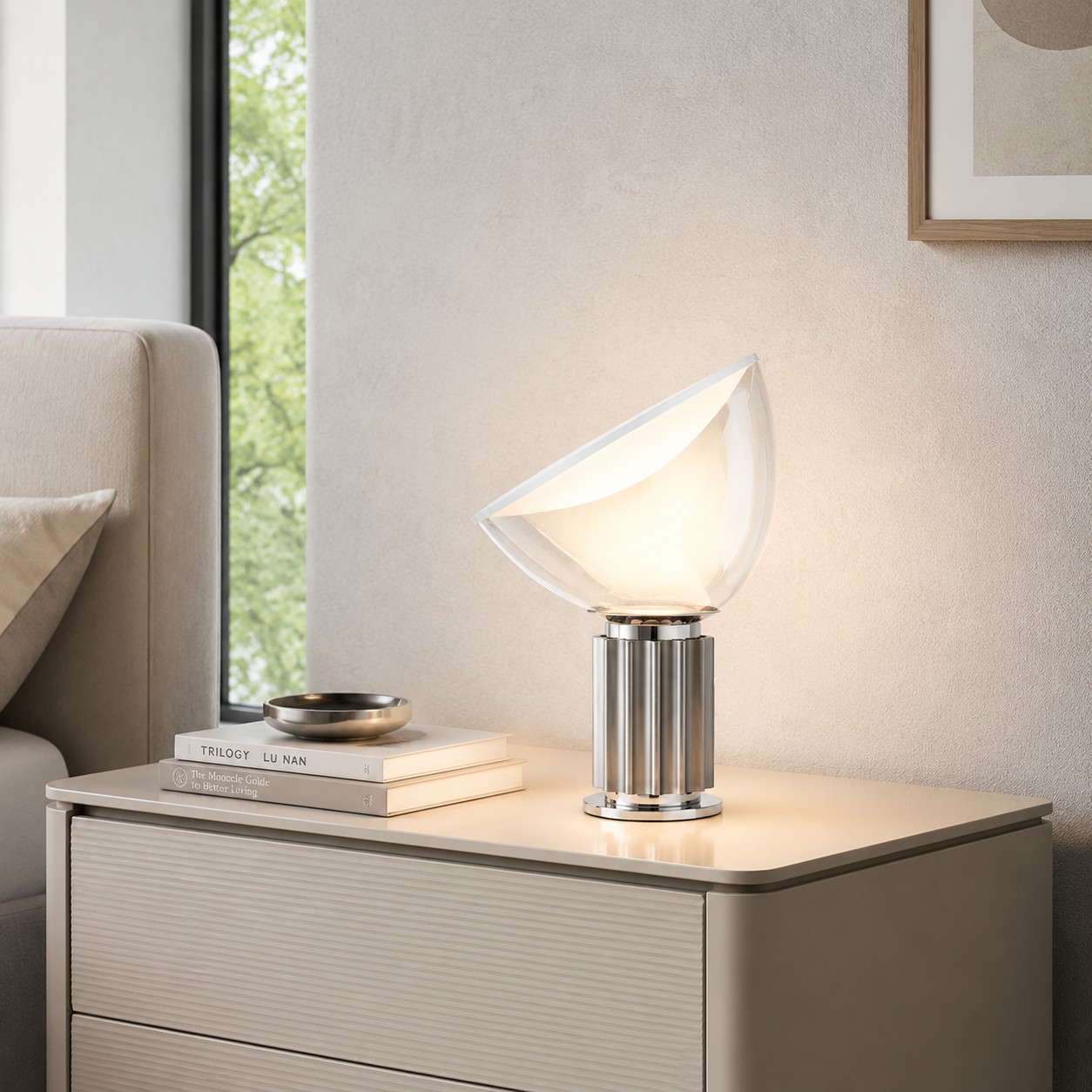
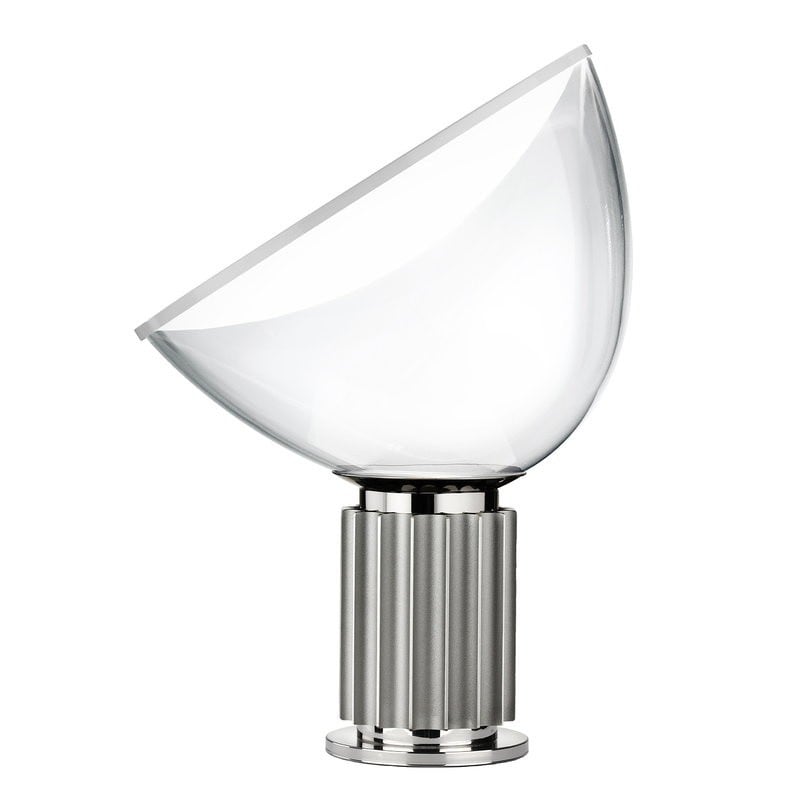
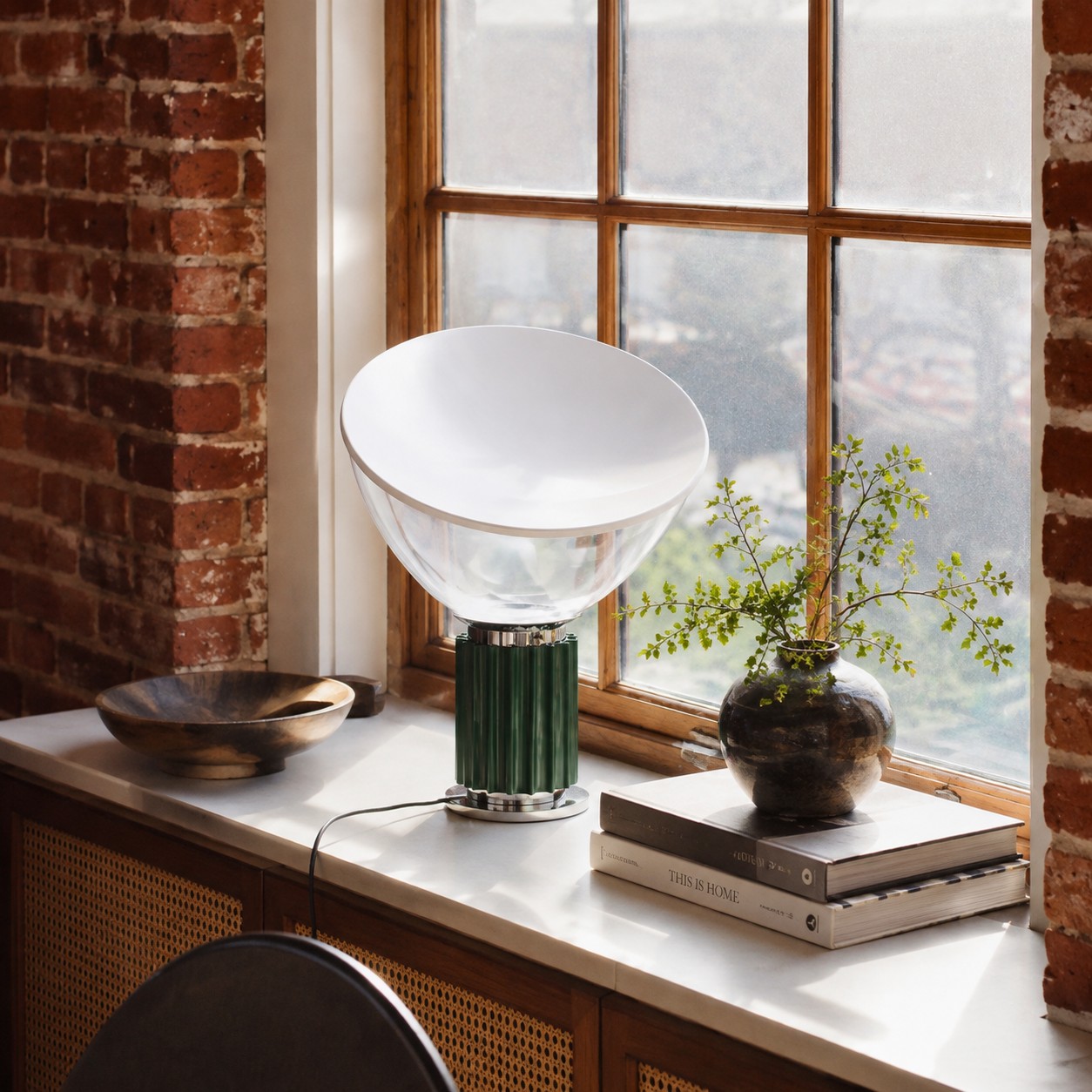
A corner lamp should connect the corner to the rest of the room, not create a lone bright island. Aim its glow towards a wall, curtain or nearby furniture that can carry the light visually. A bowl-shaped glass lamp can work well here when the surface is deep and stable enough for it.
View the Bowl Shape Glass Table Lamp
Step 3: Balance Visual Weight, Not Perfect Symmetry
Two identical lamps are useful when a long sofa, pair of chairs or symmetrical architecture already creates a formal composition. They are not compulsory. In a relaxed living room, one larger lamp can balance a tall plant, a dark bookcase or artwork on the opposite side more naturally than two small matching lamps.
Use the doorway test. Stand at the main entrance and reduce the room to broad shapes: sofa, cabinet, window, artwork and illuminated areas. If one side contains all the height, dark colour and light, move a lamp across the room before buying another. The goal is a visual conversation between zones, not a mirrored display.
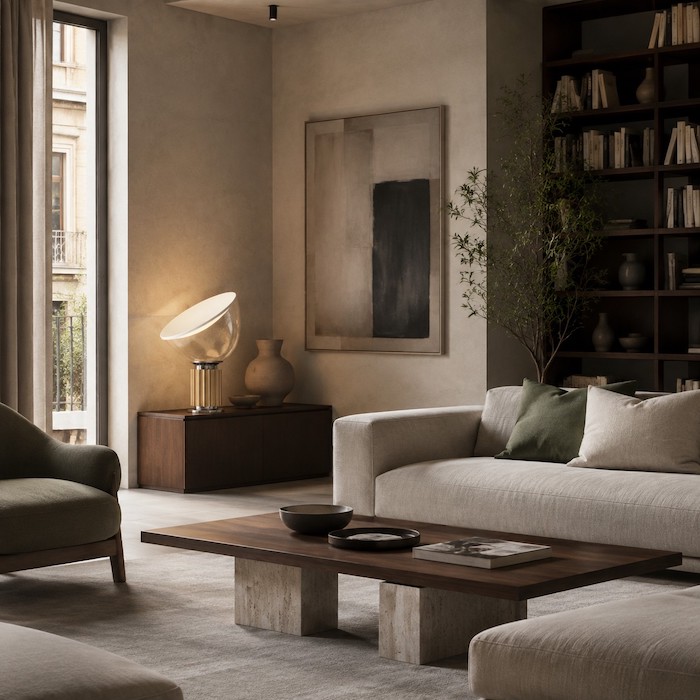
Step 4: Check Sightlines, Switching and Cable Routes
Walk through the room and sit in every regular seat. A lamp that looks calm from the doorway may expose a bright bulb from the sofa or reflect in a television. If moving the lamp solves the glare but the room still feels visually flat, use Why Your Living Room Still Feels Flat After Adding a Table Lamp to diagnose missing height, zone or background light.
Also confirm that the switch is reachable and the cable remains controlled. Measure the route from the intended surface to the socket, then check the current product specification before ordering. Never let a styling decision place a loose cable across a normal path.
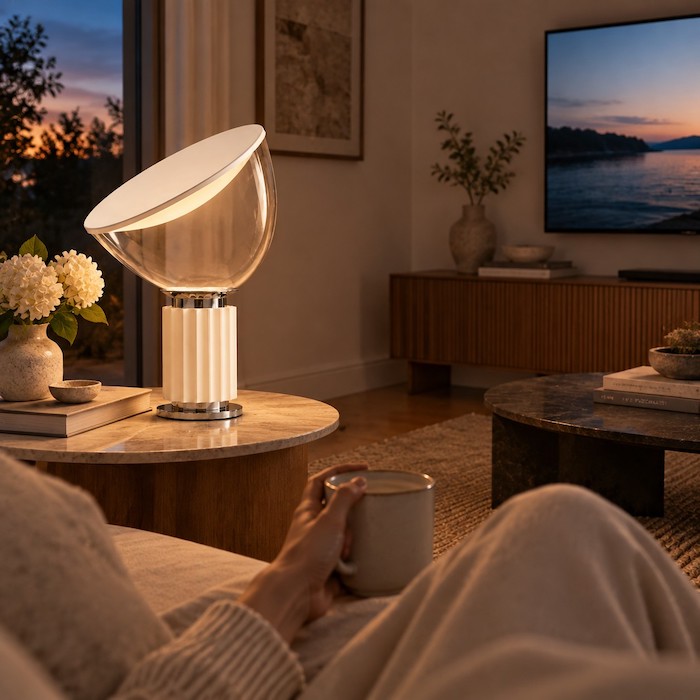
Step 5: Run a Ten-Minute Evening Test
Live with the proposed arrangement before adding another lamp. Use the room for ten minutes: read, watch television, make a drink and move between seats. Notice whether you keep reaching for the ceiling light, whether one corner disappears and whether the lamp creates a comfortable transition between bright and dark areas.
Try small adjustments first. Moving a lamp from the centre of a console to one side can create a stronger relationship with artwork. Shifting a side table closer to a chair can make the light genuinely useful. Turning a reflective bowl slightly away from a direct sightline can improve comfort without changing the composition.
A Final Living-Room Placement Checklist
- The lamp supports a named activity or corrects a visible dark zone.
- The base fits securely with usable surface left around it.
- The switch can be reached from the relevant seat.
- The cable reaches a socket without crossing a walkway.
- The bulb or brightest reflector is not exposed from normal eye level.
- The room feels connected from the doorway, not bright on only one side.
Where the Taccia Table Lamp Fits Best
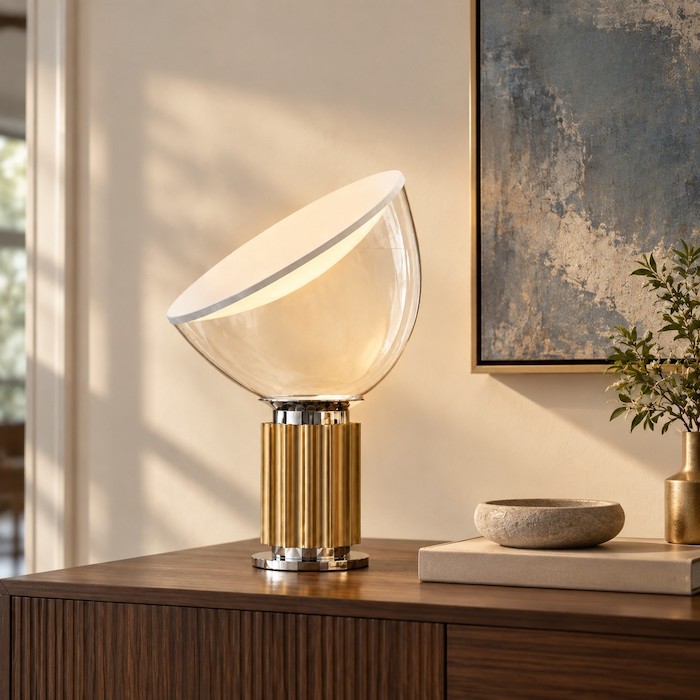
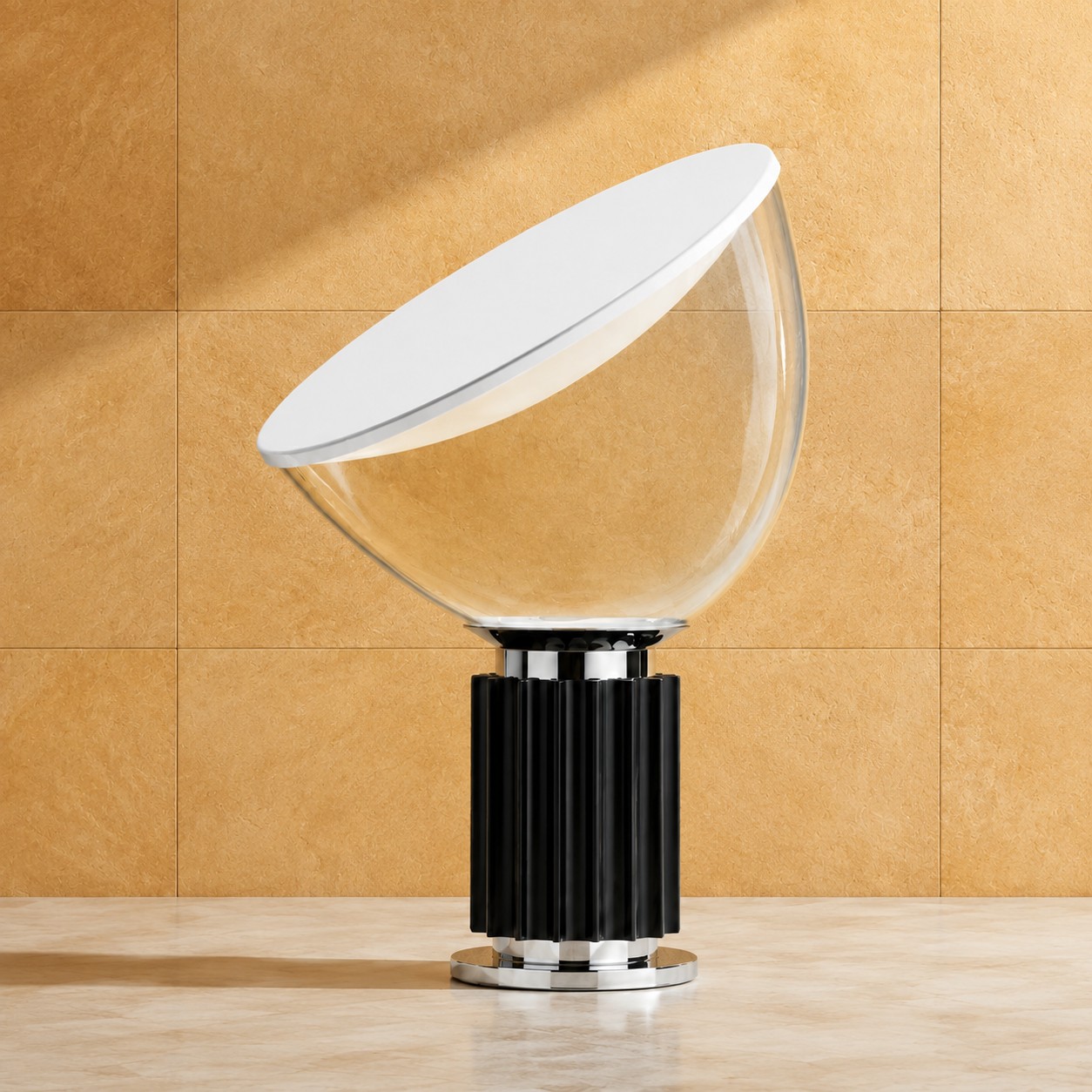
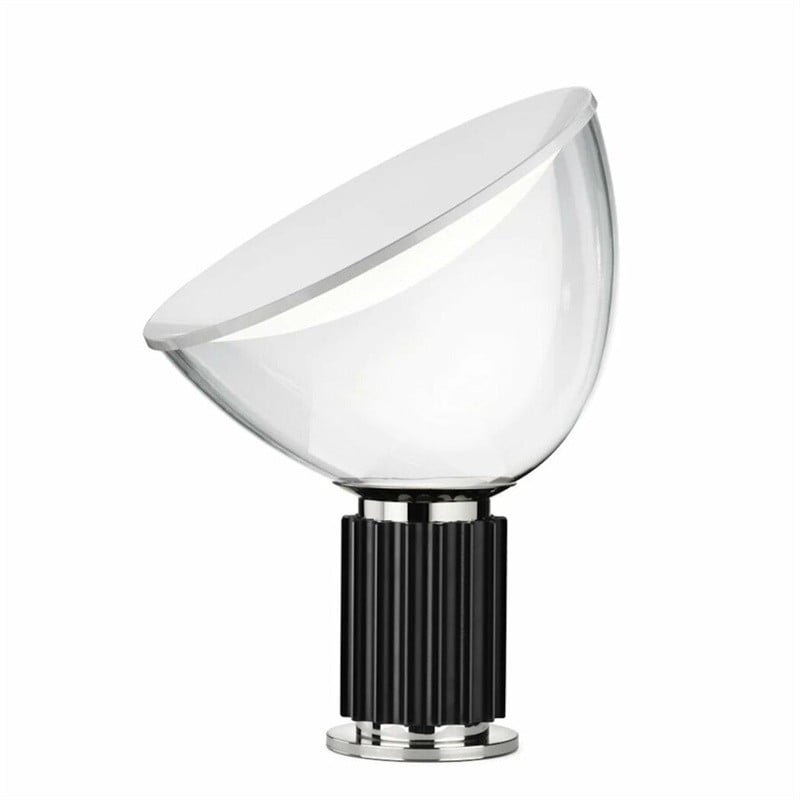
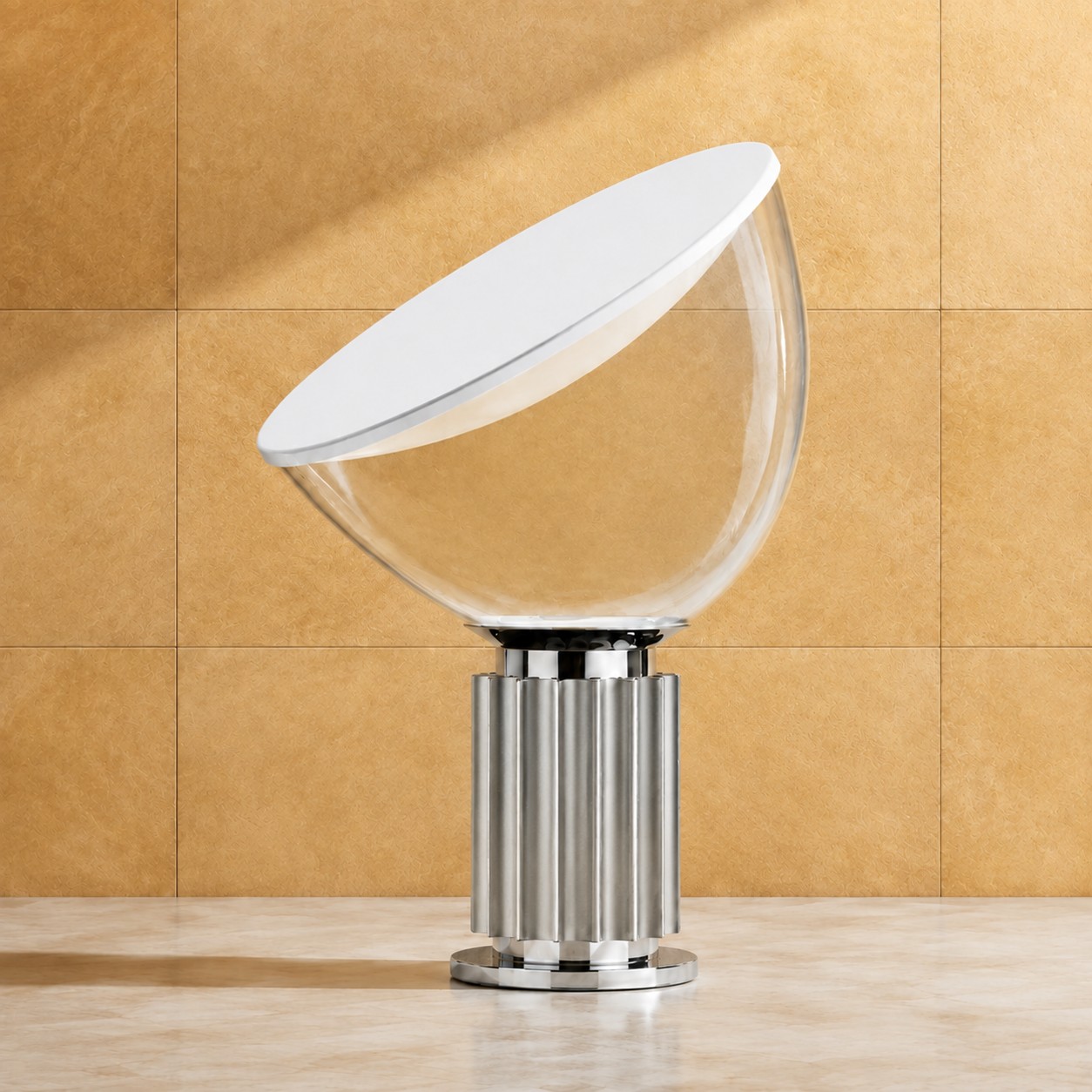
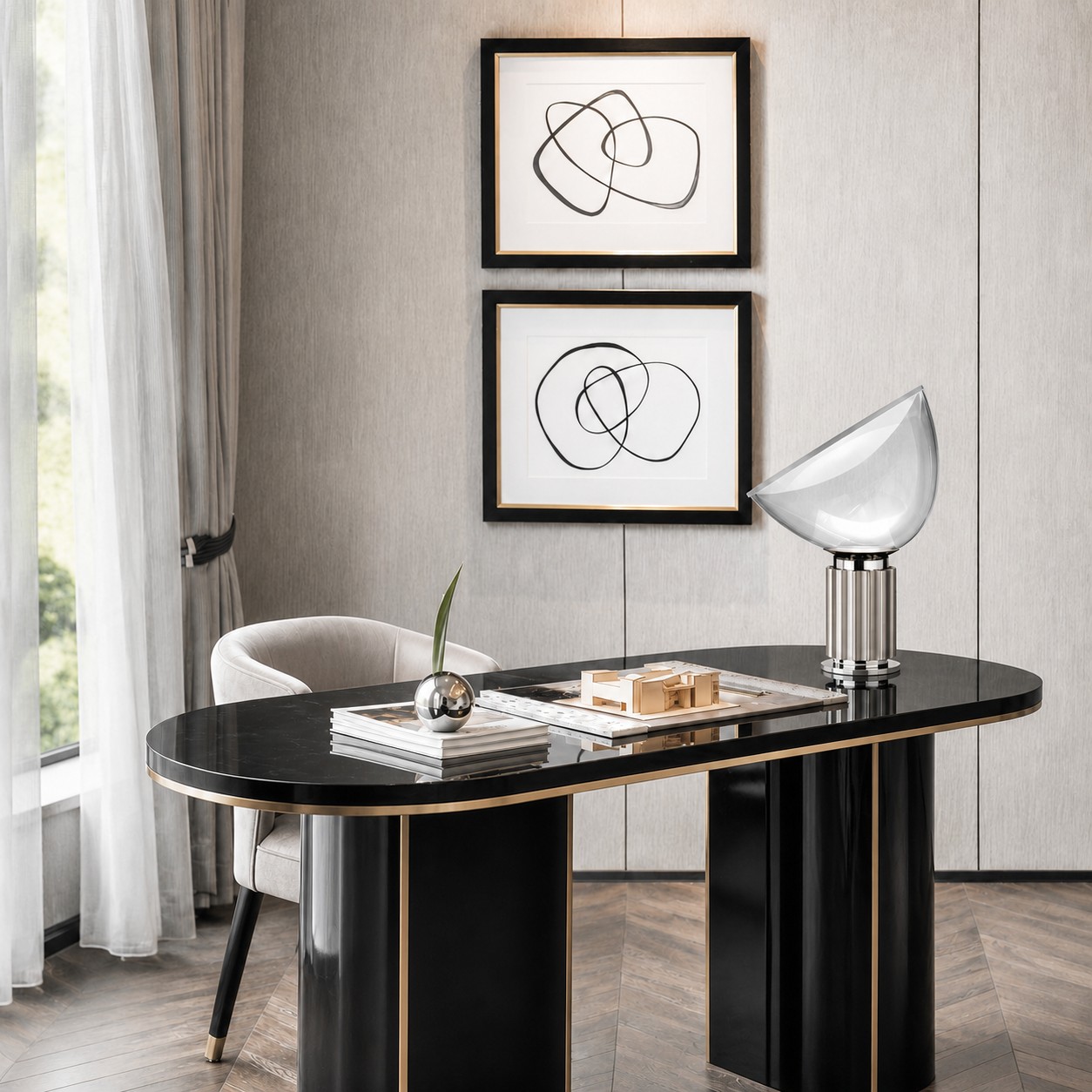
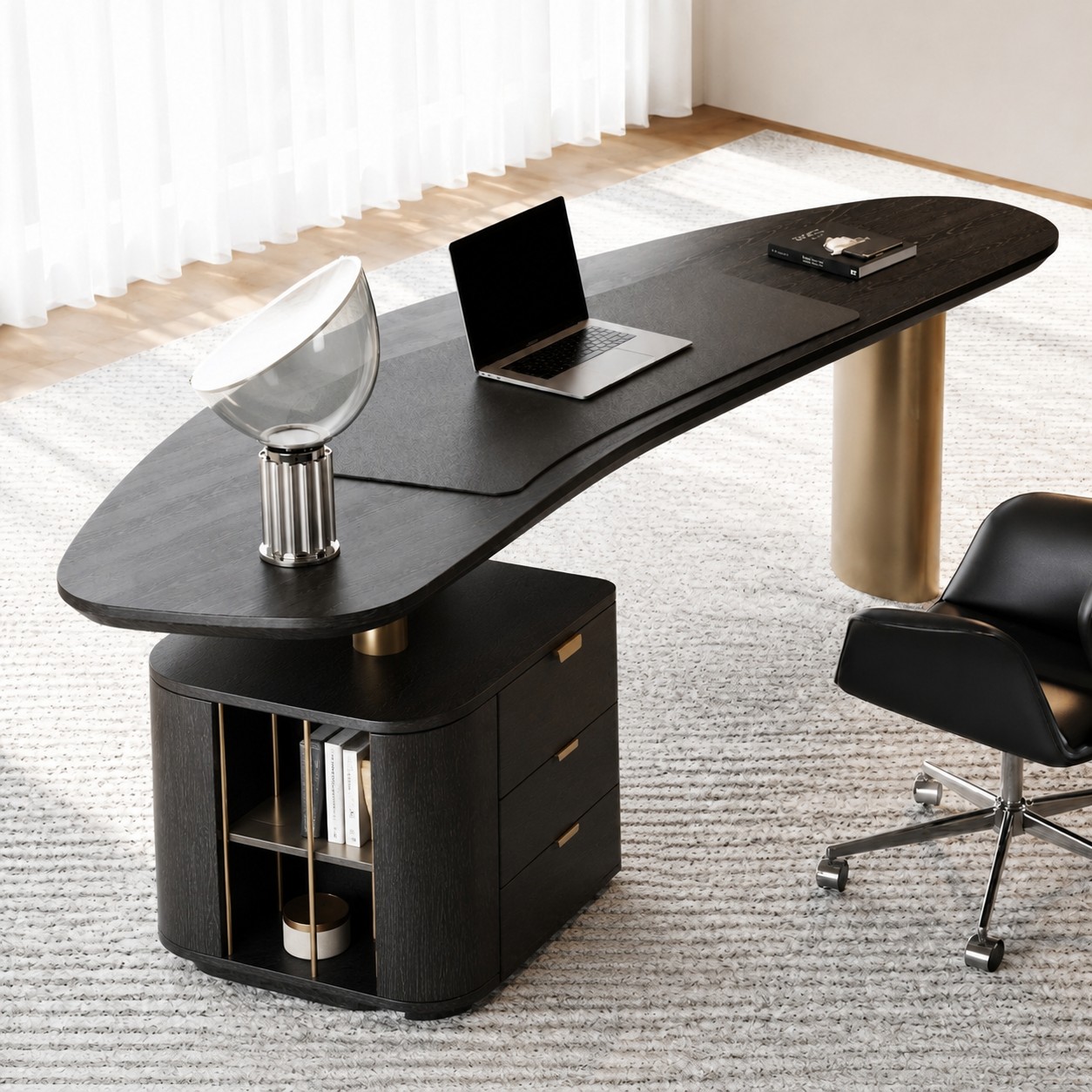
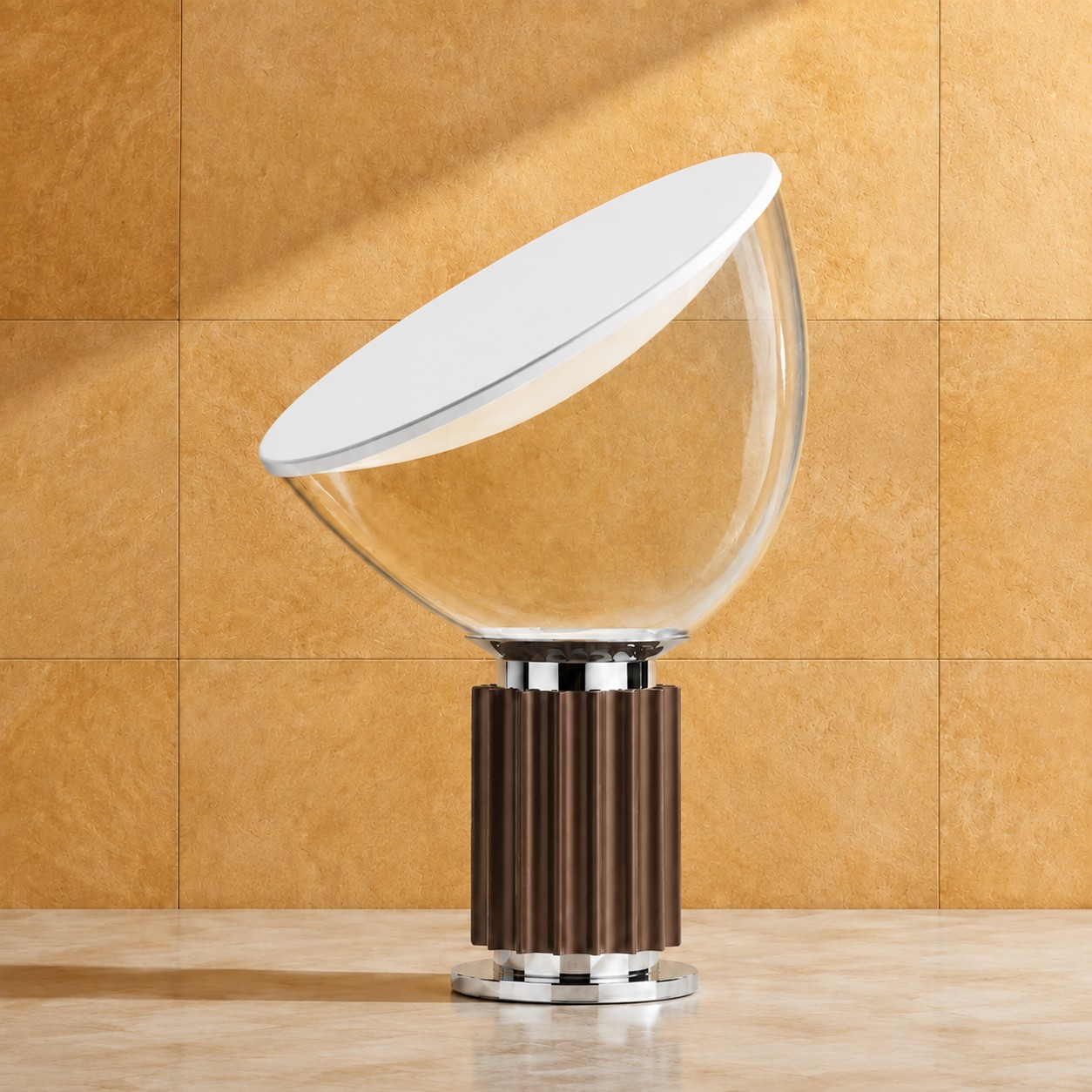
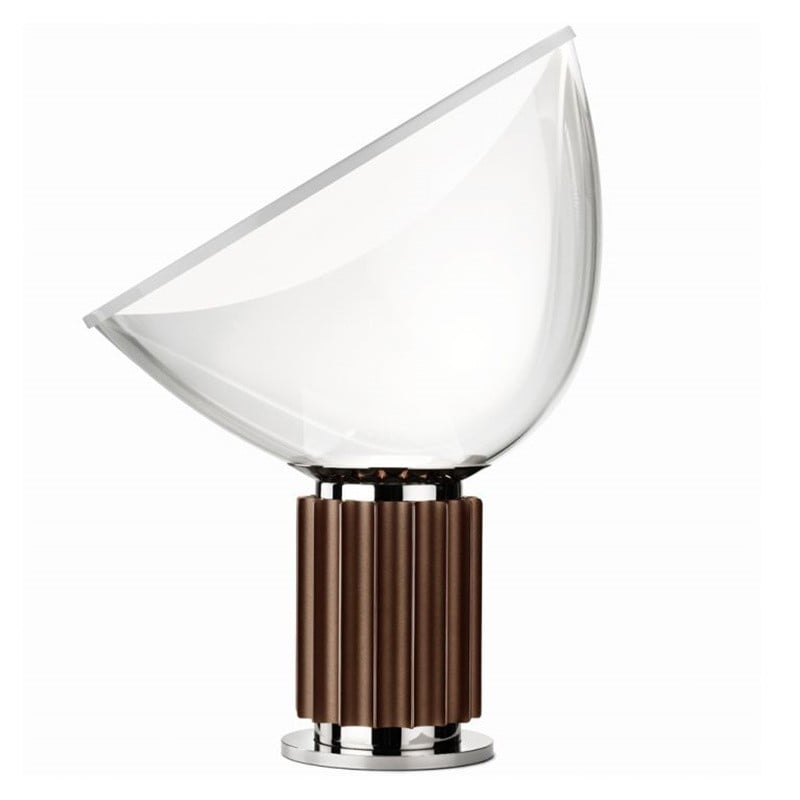
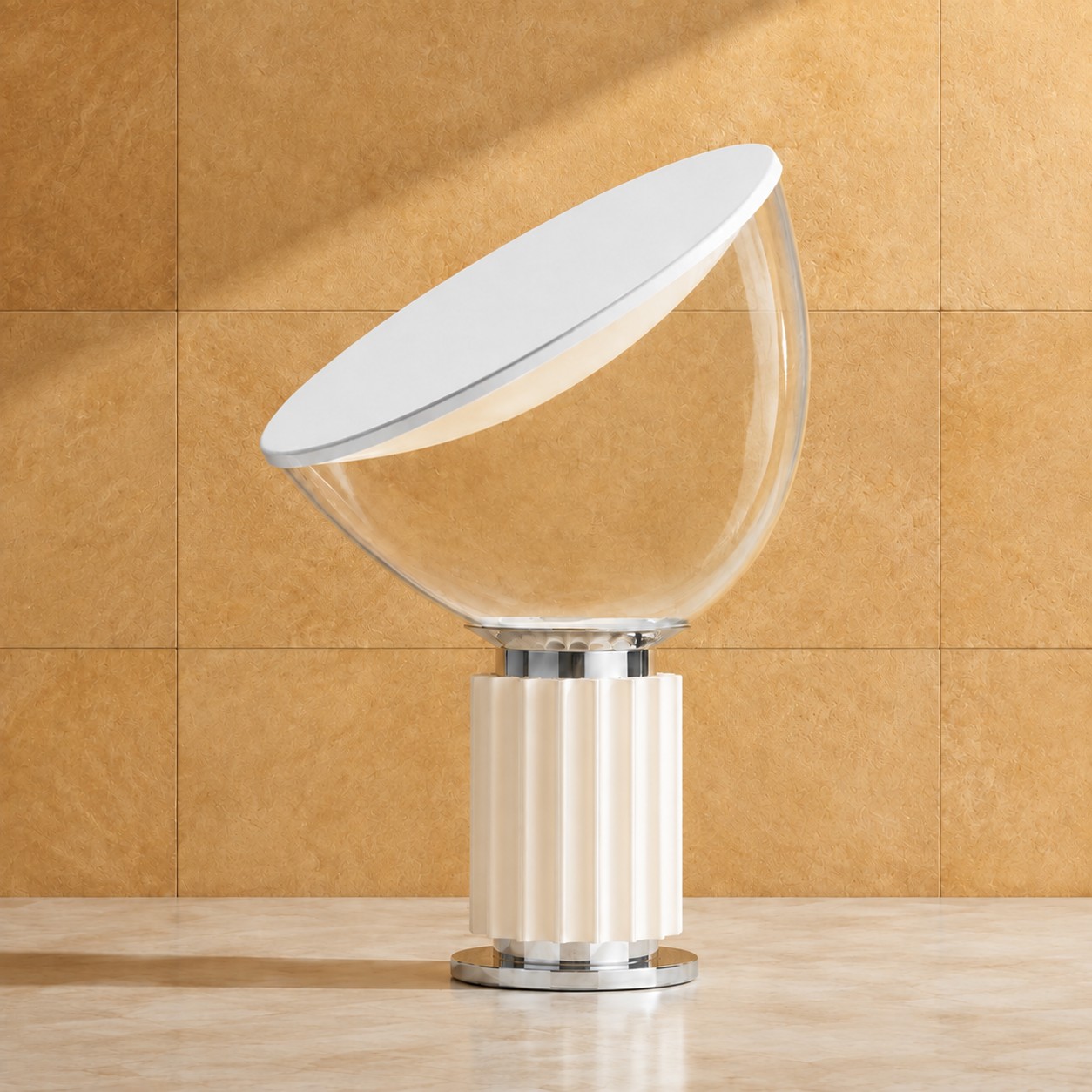
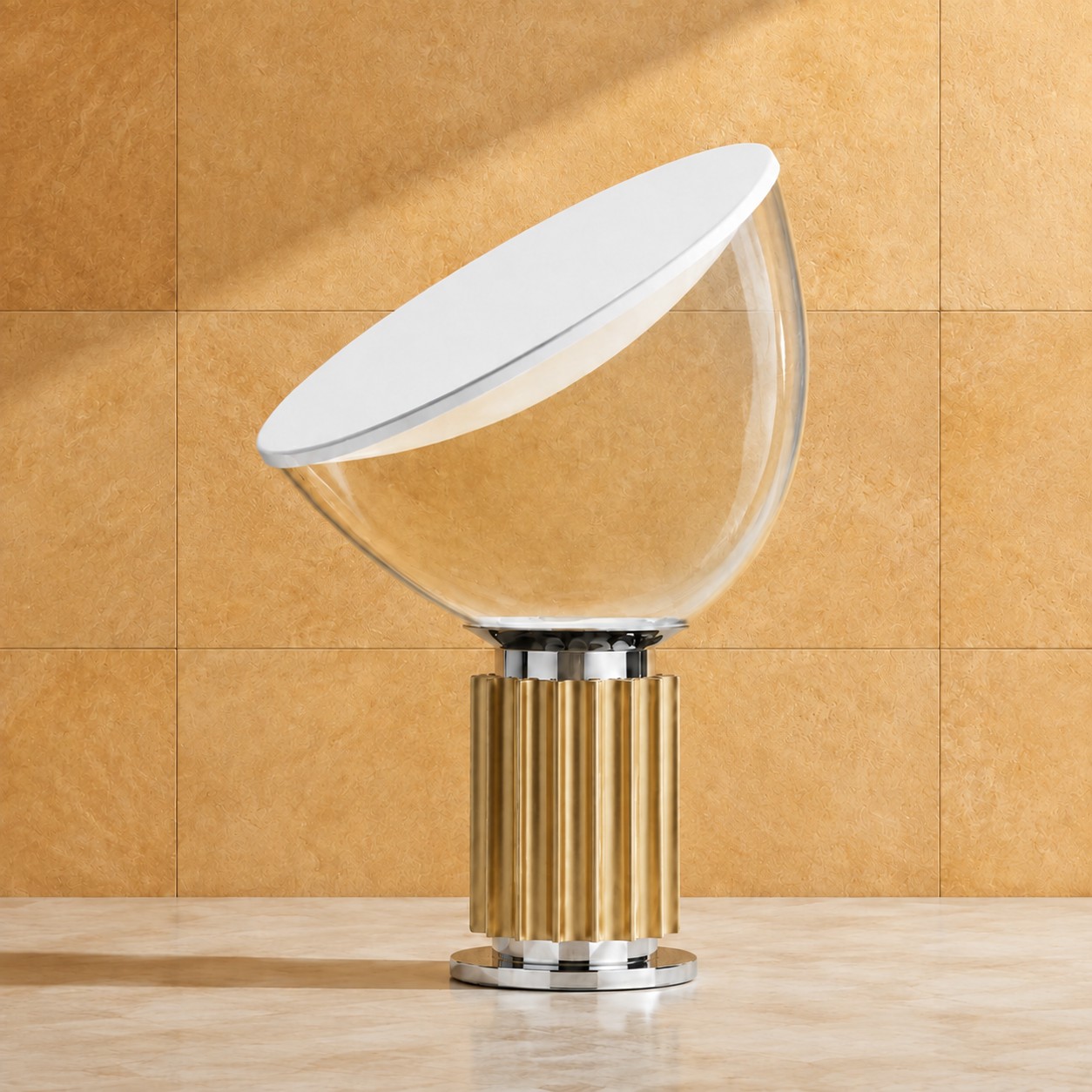
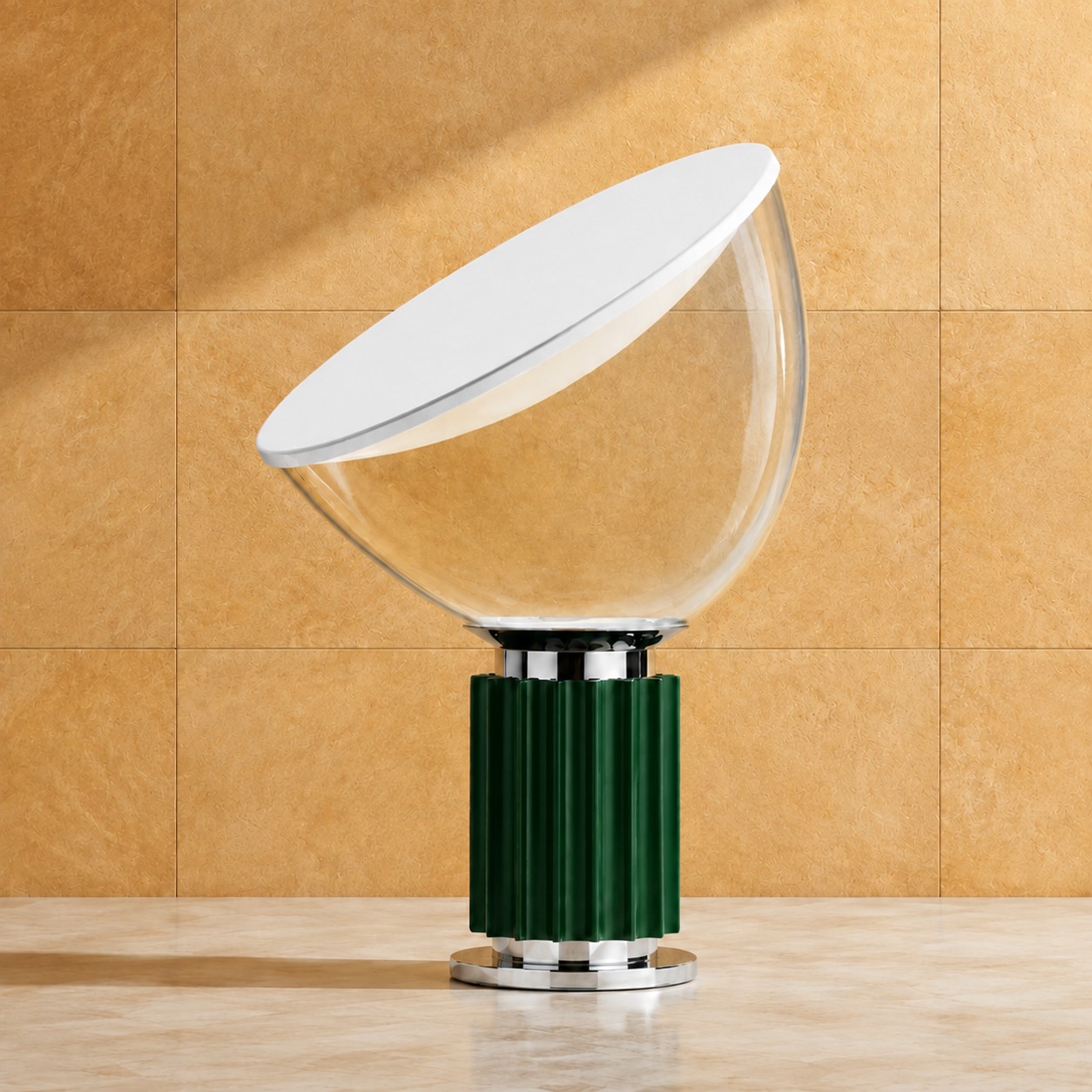
The Bowl Shape Glass Table Lamp is a substantial sculptural option rather than a tiny filler lamp. The current listing shows a small size of 37.3 cm diameter by 48.5 cm high and a large size of 49.5 cm diameter by 64.5 cm high. Black, Silver, Bronze, Warm White, Brushed Brass and Deep Green finishes offer different visual weight, while the aluminium, glass, ABS and PC construction suits a console, broad side table or cabinet where the full silhouette has space to read.
Check surface stability and depth before committing. The current listing specifies an E27 light source, a maximum of 40 W and a bulb that is not included; it also describes a shade that rotates through 360 degrees. Treat the lamp as a considered ambient or decorative light point, then confirm the live regional specification and choose a compatible bulb for the atmosphere you want.
Check Taccia sizes and finishes
Questions People Ask About Living-Room Lamp Placement
Should table lamps match in a living room?
No. Matching lamps create formality and symmetry, while different lamps can work when they share a finish, shape language or similar visual weight.
How many table lamps should a living room have?
There is no fixed number. Begin with the main seating task, then add light only where a separate zone remains dark or visually disconnected.
Where should a lamp sit beside a sofa?
Place it on a stable side table close enough for the switch to be reached comfortably, with the brightest part outside the seated eye line.
Can a table lamp go on a console behind the sofa?
Yes, if the console is deep and stable, the cable is controlled and the lamp does not interfere with people sitting or walking behind it.
Is a large sculptural lamp suitable for a small living room?
It can be, provided the supporting surface has enough depth and the lamp replaces visual clutter rather than adding to it.