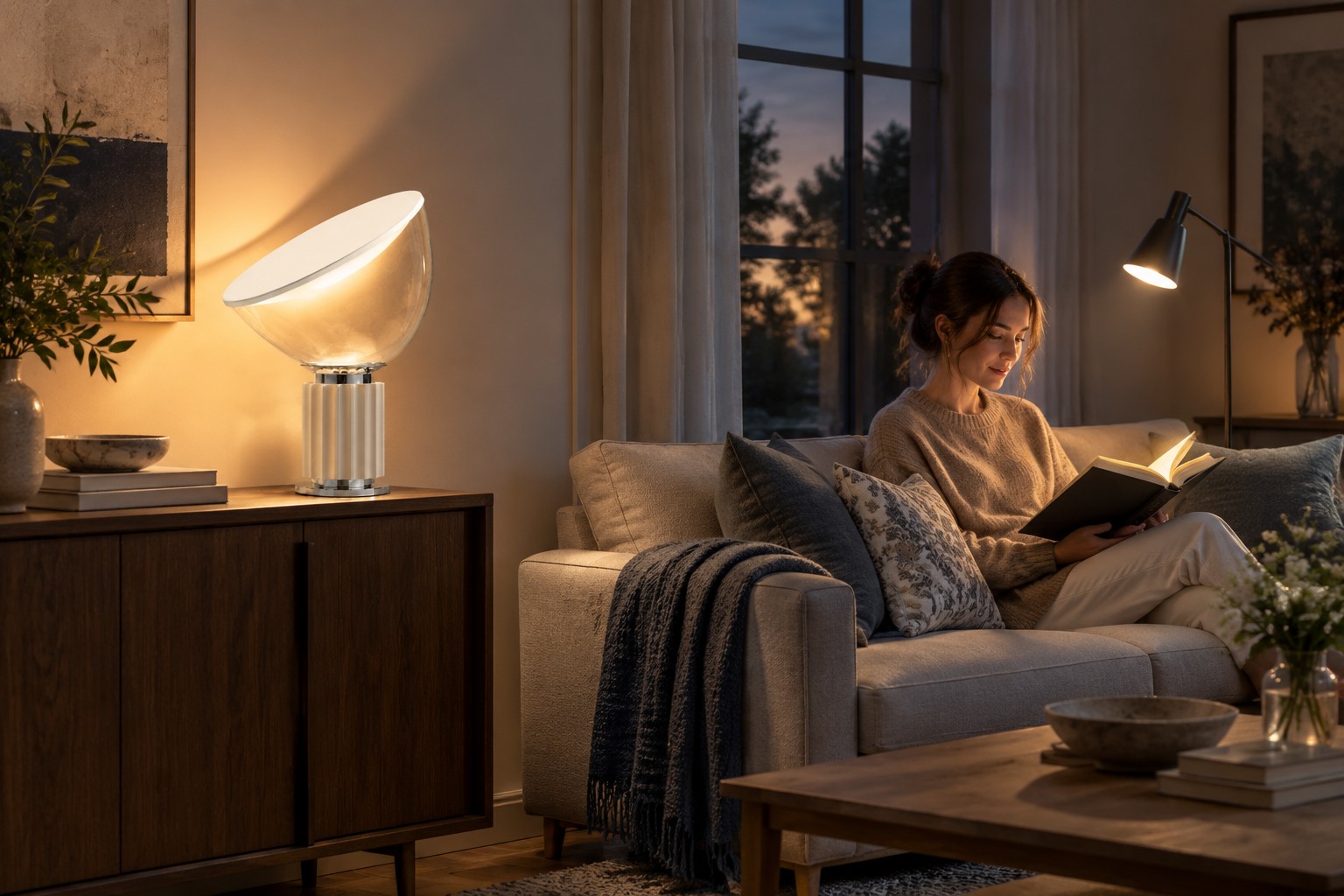
How to Choose an Ambient Table Lamp for Tasks and Evenings
The best ambient table lamp is not automatically the brightest or most decorative option. It should create a comfortable pool of light, work with the rest of the room and support the activity that happens beside it. If reading, detailed work or colour accuracy is the main goal, a dedicated task lamp may still be the better choice.
Before You Shop, Name the Activity and the Time of Day
“I need more light” is too broad to guide a useful purchase. Decide whether the lamp will support conversation, television, reading, laptop use, paperwork or simply make a dark console feel connected after sunset. Then decide when it matters most. A lamp used for twenty minutes of casual browsing has a different responsibility from one used for two hours of detailed work.
Also record the table depth, socket position, seated eye level and whether anyone needs to reach the switch from a chair. These practical details eliminate unsuitable lamps before finish or colour enters the decision.
Step 1: Decide Whether Ambient or Task Light Leads
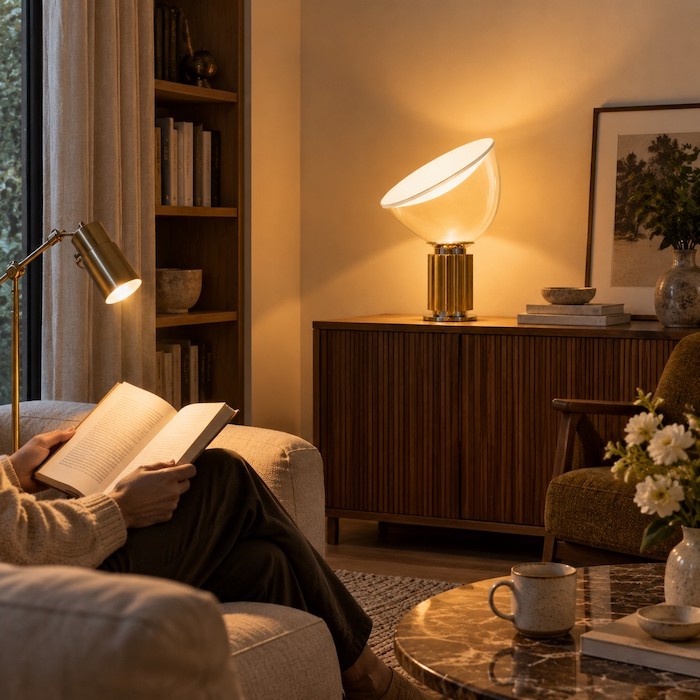
Ambient lighting helps establish the overall light level and mood of a room. Task lighting concentrates useful light over work and its immediate surroundings. The Canadian Centre for Occupational Health and Safety describes local or task lighting as increasing light over the work area and often allowing greater individual control.
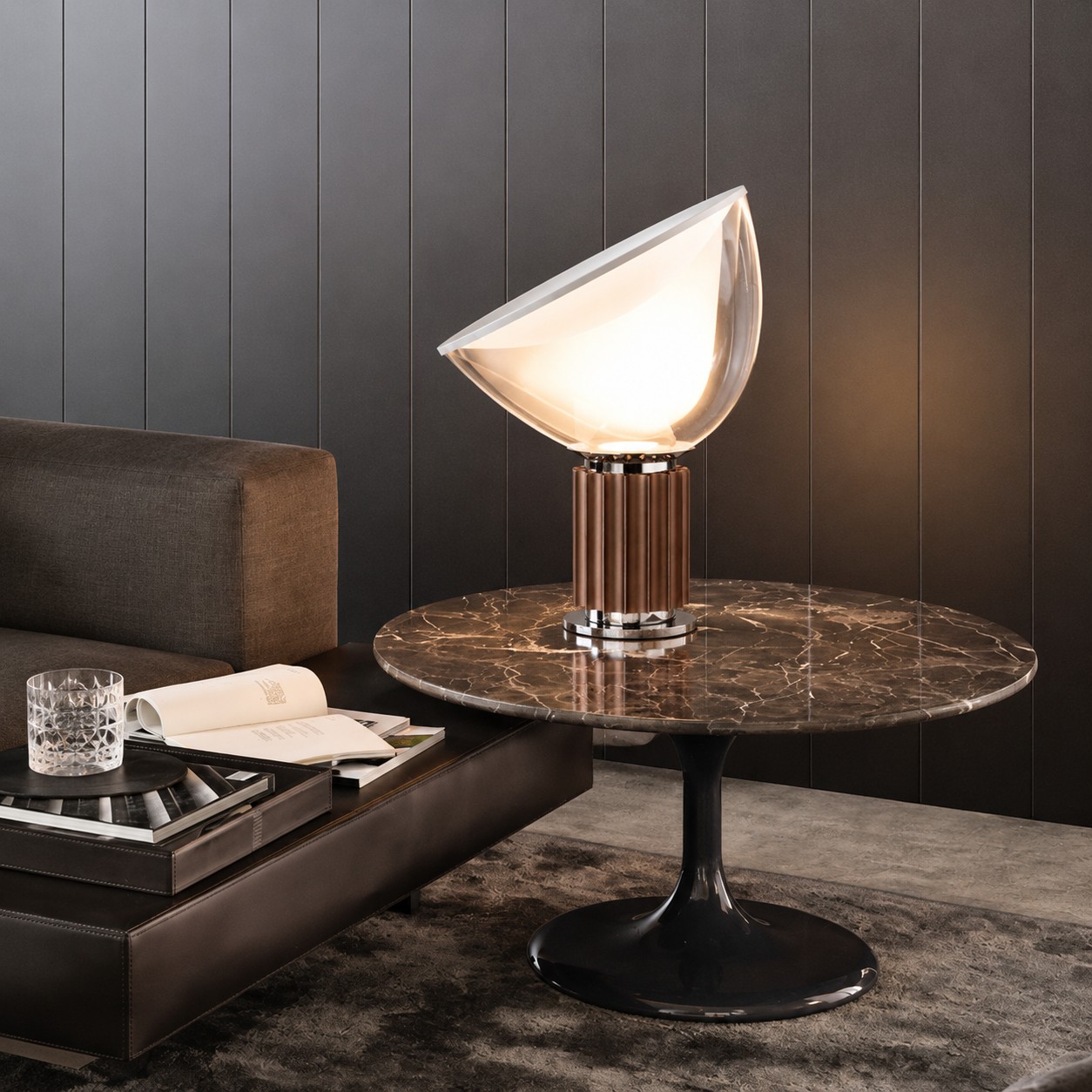
An ambient-first lamp belongs on a console, broad side table or cabinet where its glow contributes to the room. A task-first lamp belongs close to the book, keyboard or craft surface and benefits from a shade or structure that controls direction. A dual-purpose option needs enough useful light for the activity while remaining comfortable from normal viewing positions.
The choice also affects the wider room. If every lamp performs the same soft decorative job, the result can still feel visually thin; Why Your Living Room Still Feels Flat After Adding a Table Lamp will explain how to give separate light sources different responsibilities.
Step 2: Read the Shape Before You Read the Wattage
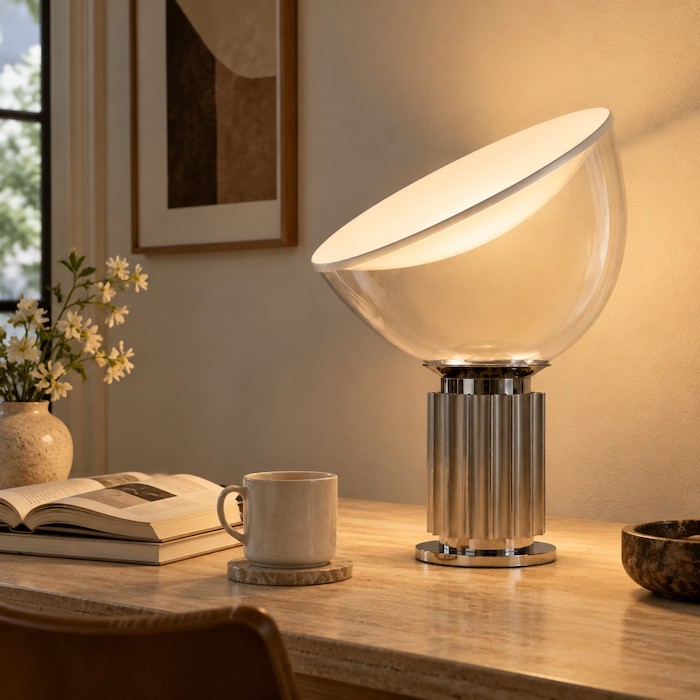
The lamp's form tells you where light is likely to travel. A directional shade can concentrate light towards a page. A translucent or open form can contribute a broader glow. A reflective bowl may create a strong sculptural focus while distributing light differently from a conventional fabric shade.
Look at the lamp from seated eye height, not only from above. Ask whether the bulb will be visible, whether a metal reflector may appear bright and whether the light reaches the actual task. Wattage alone cannot answer those questions. The shade, bulb and position work as a system.
Step 3: Check the Bulb, Socket and Controls Together
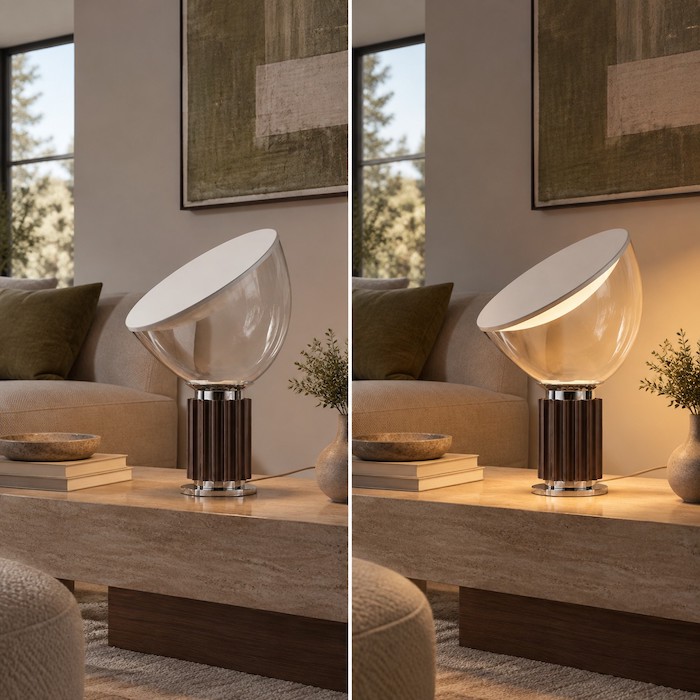
Before buying, confirm the socket type, maximum wattage, whether the bulb is included and what controls the current listing actually specifies. These details determine what you can adjust later. Do not infer dimming from a product image; if the control is important to your routine, confirm it before ordering.
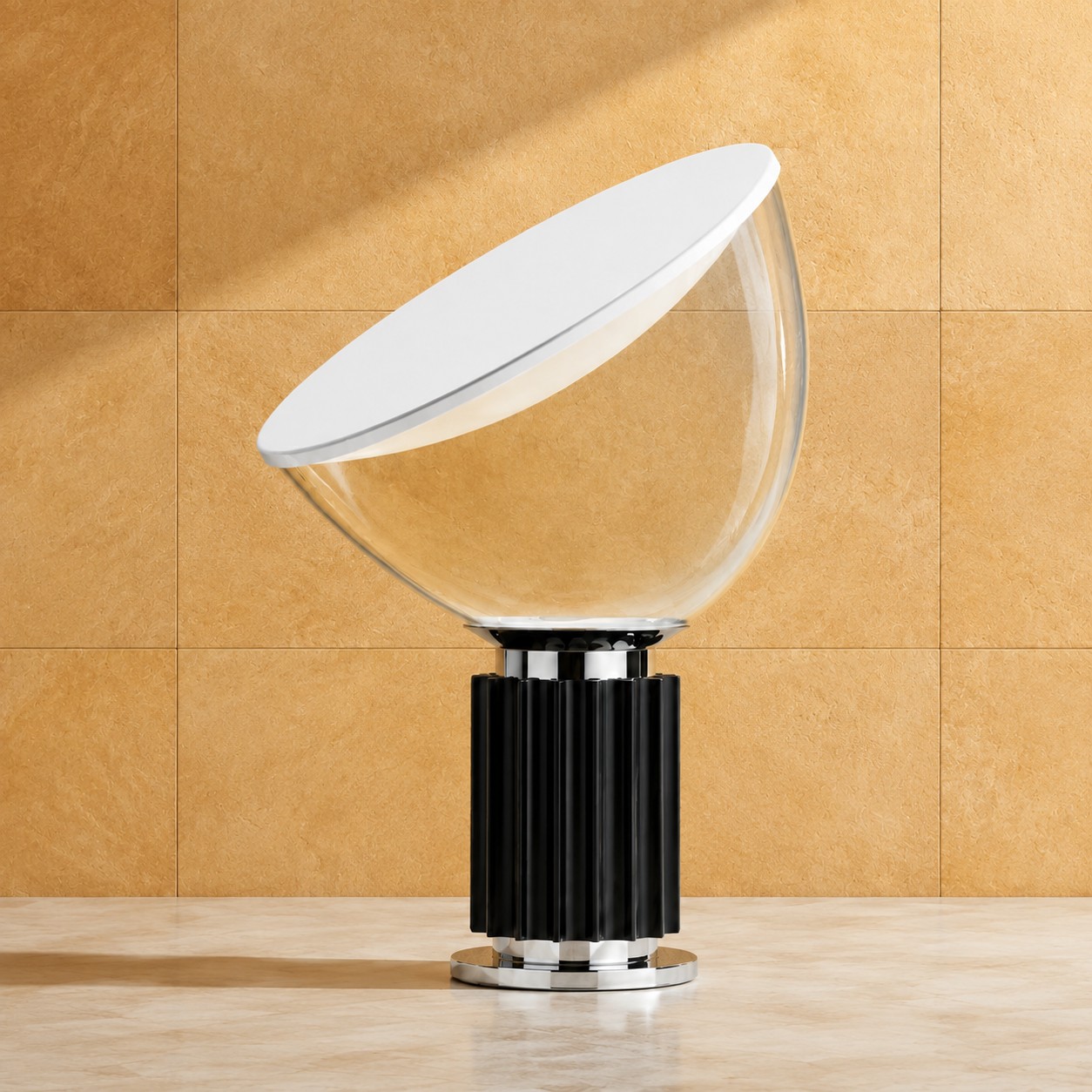
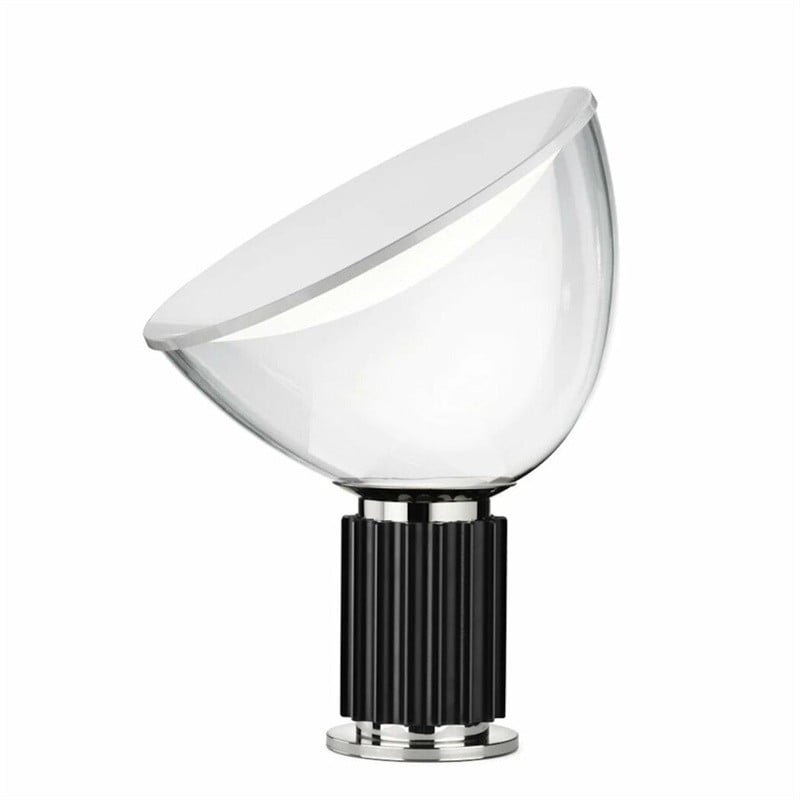
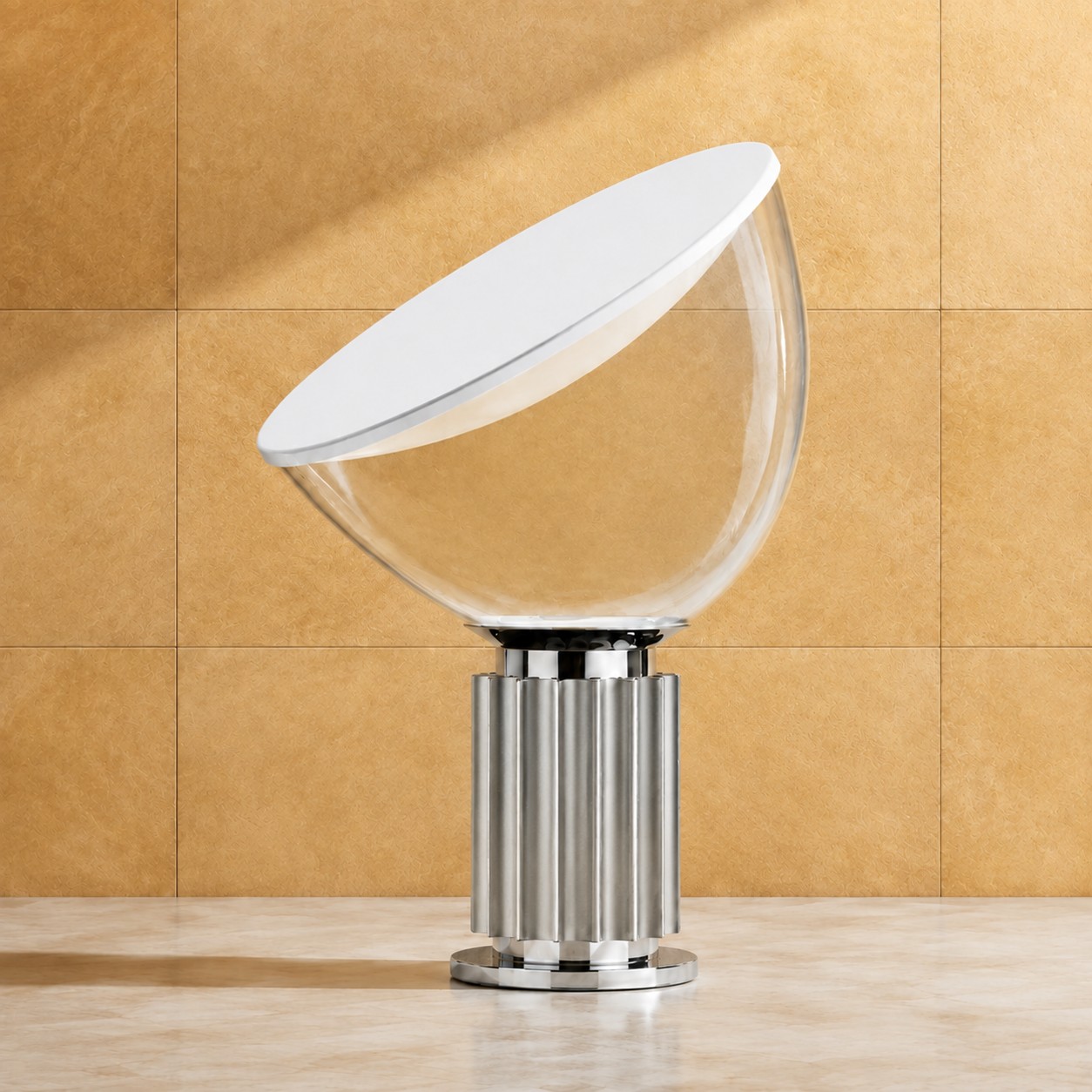
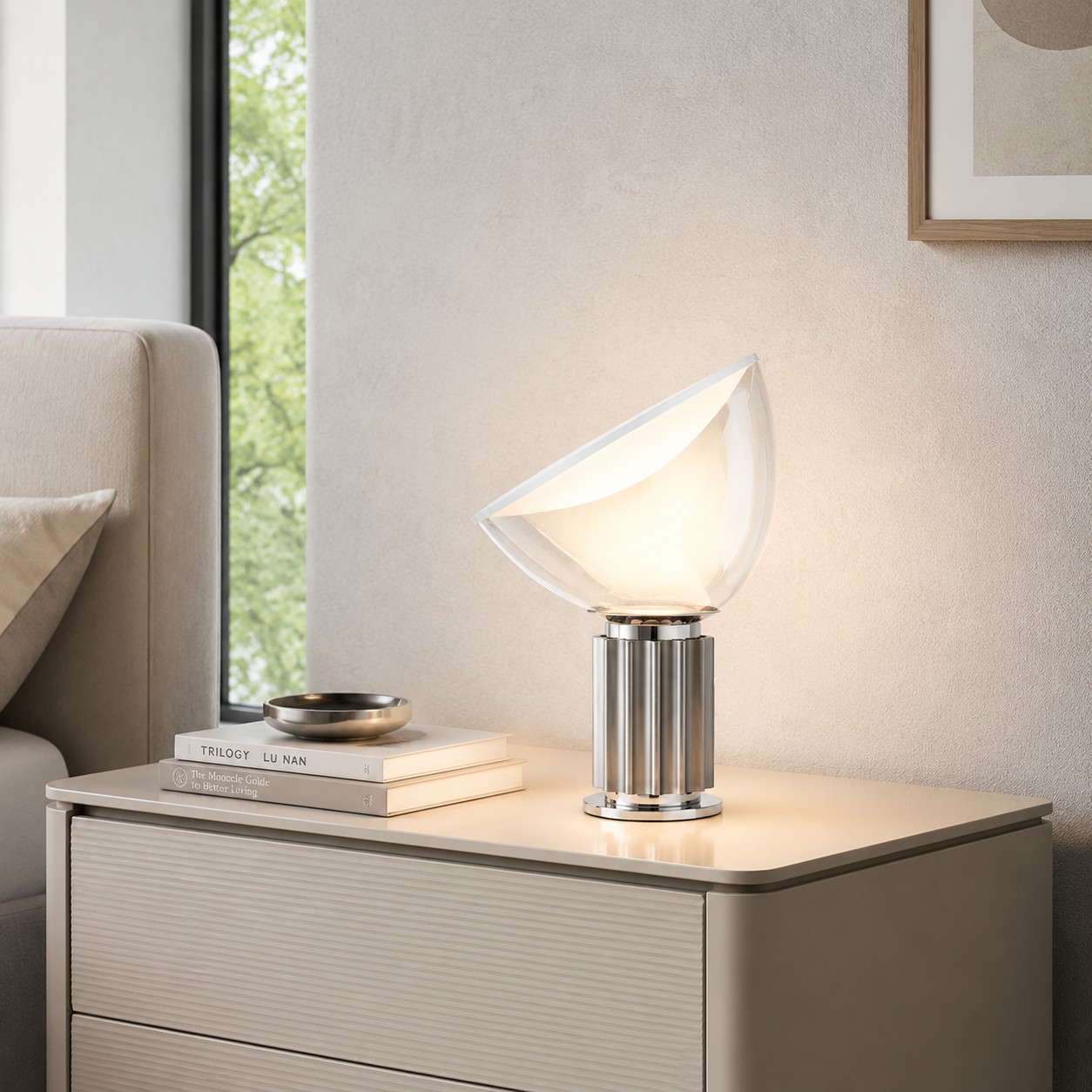
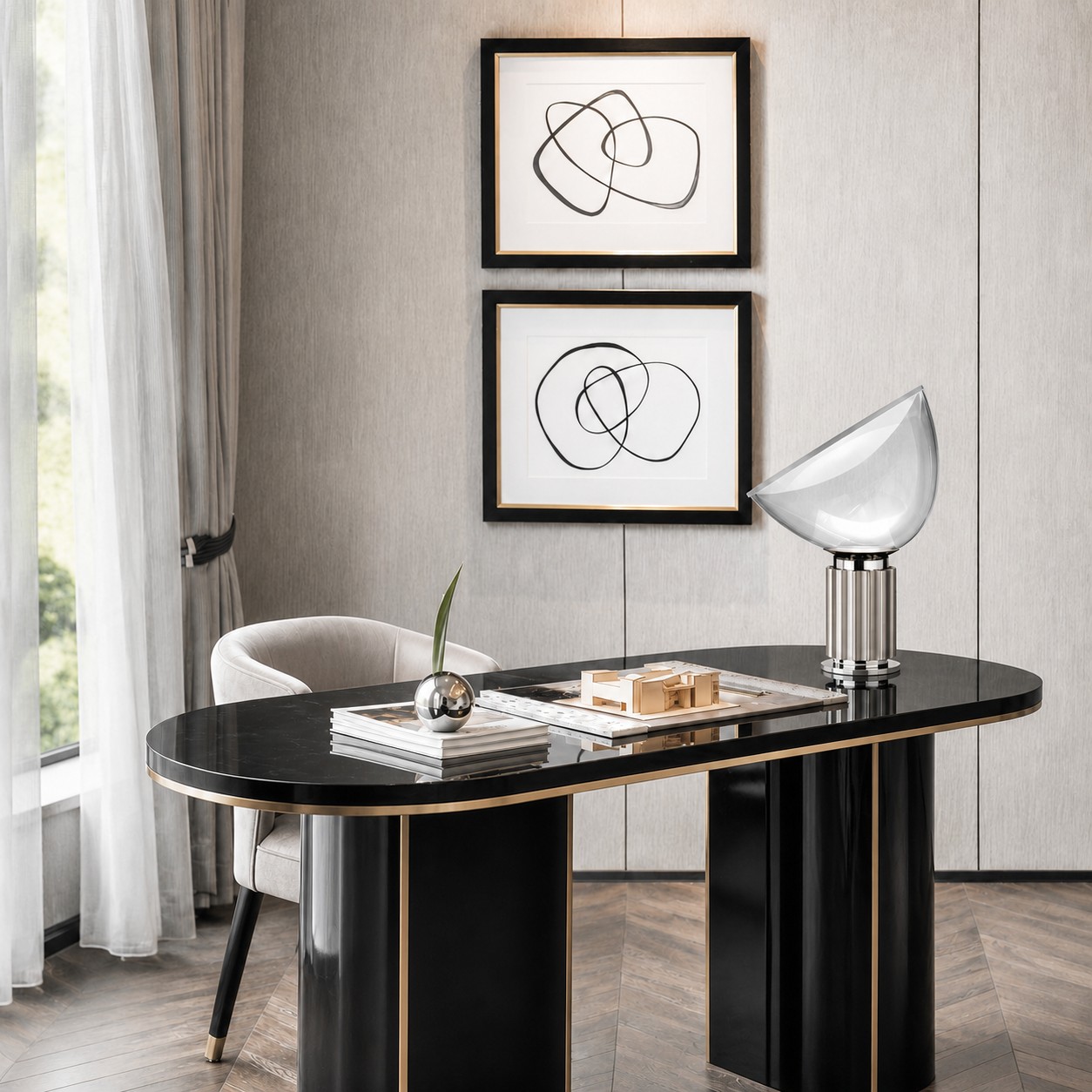
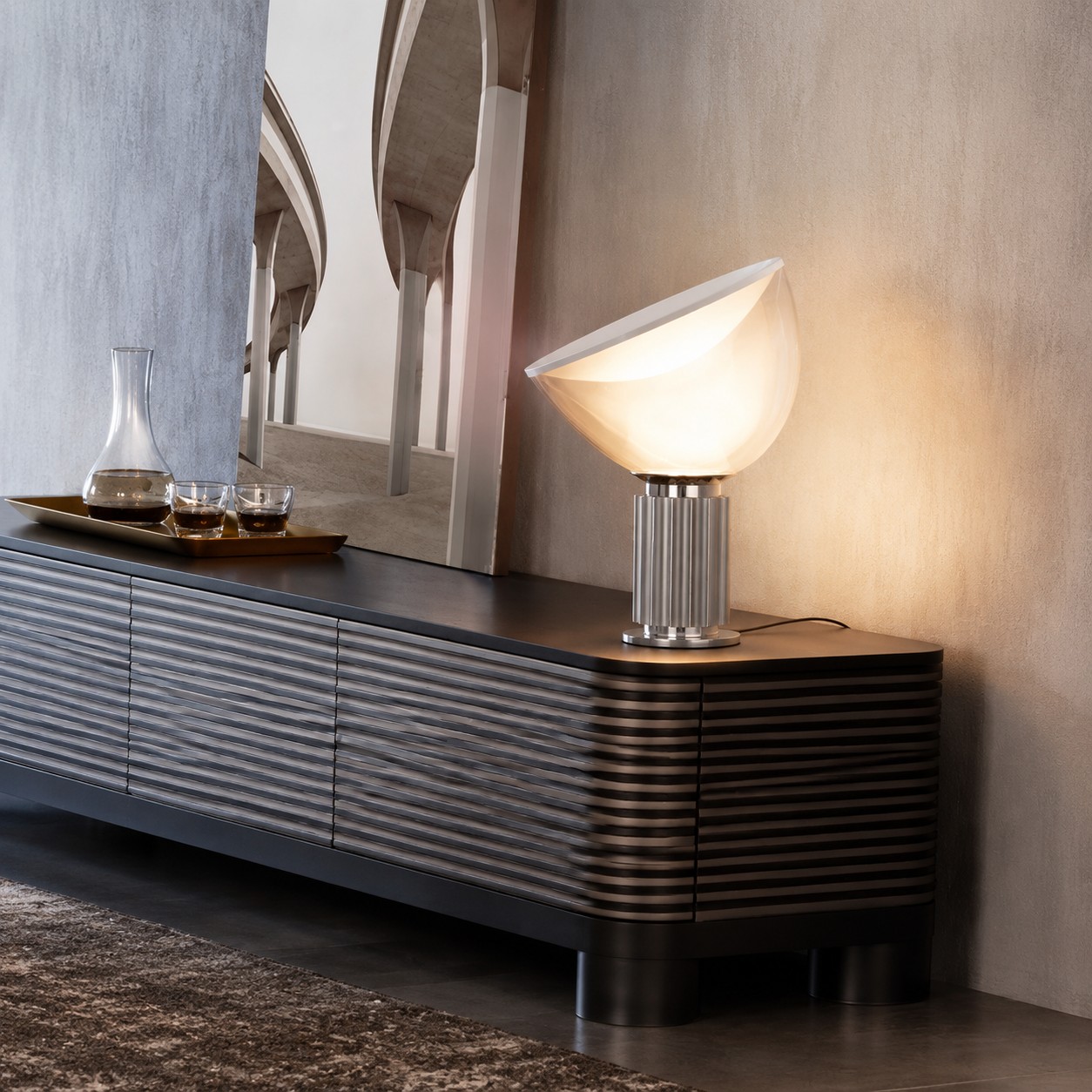
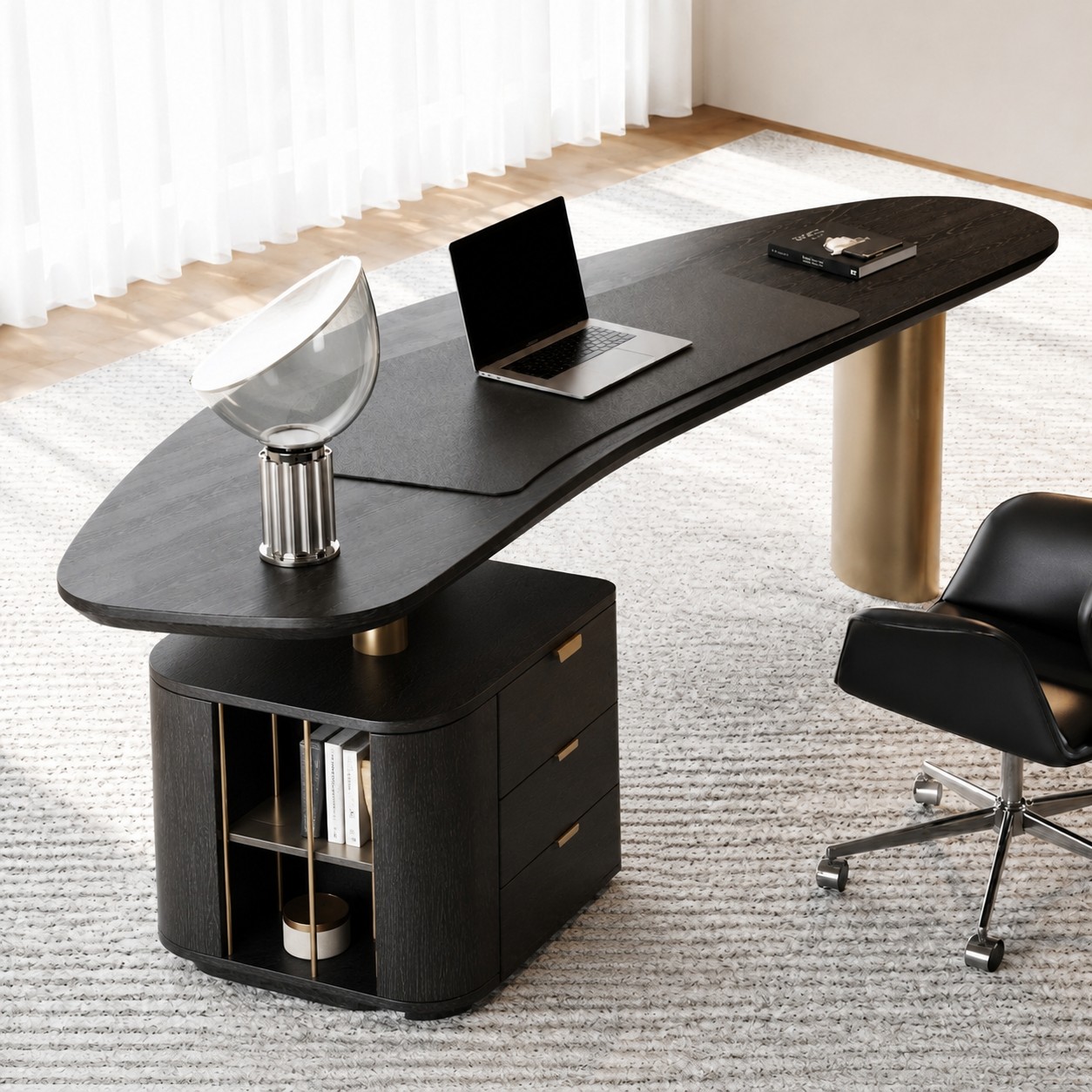
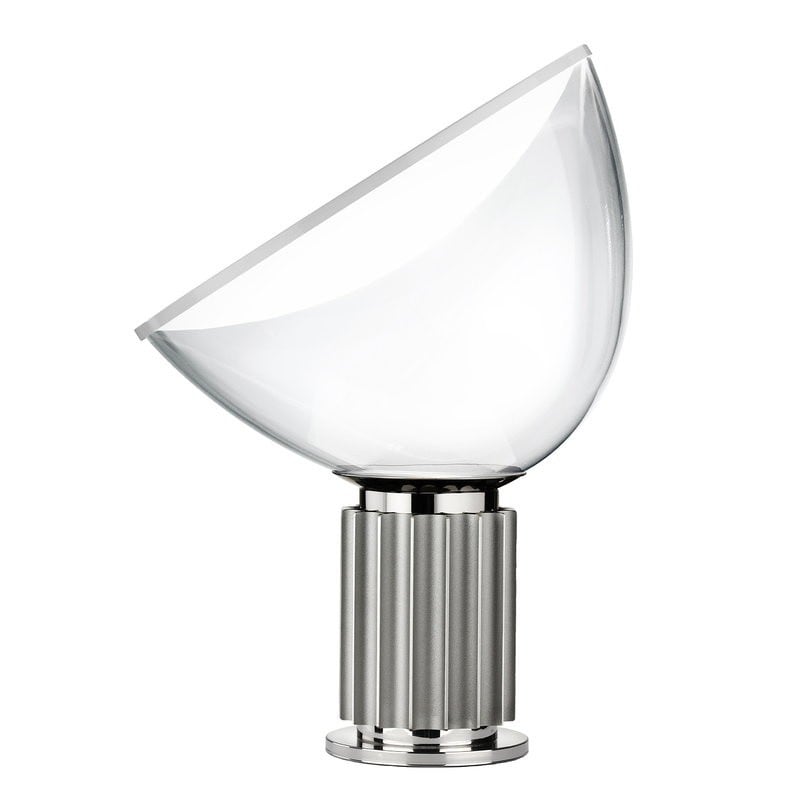
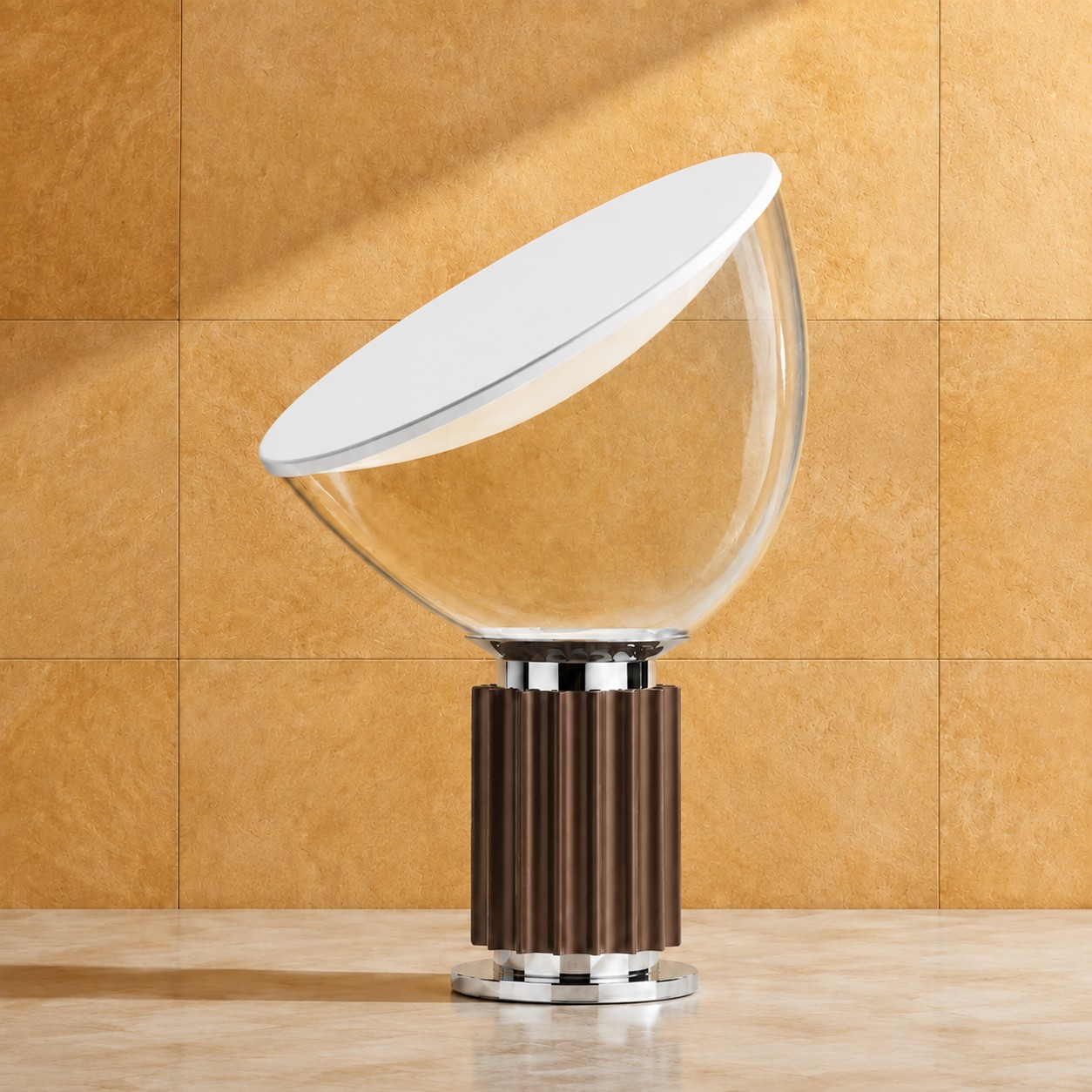
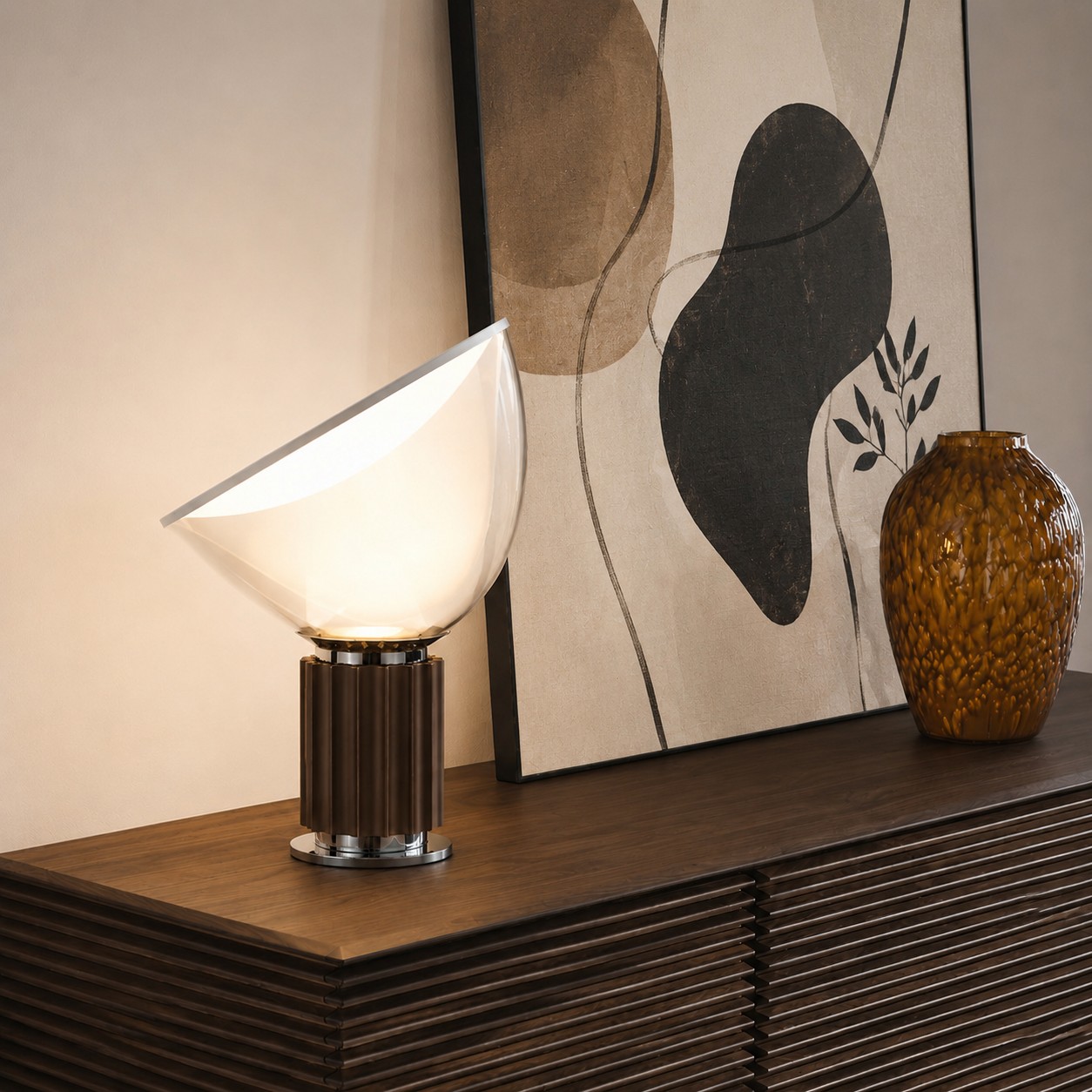
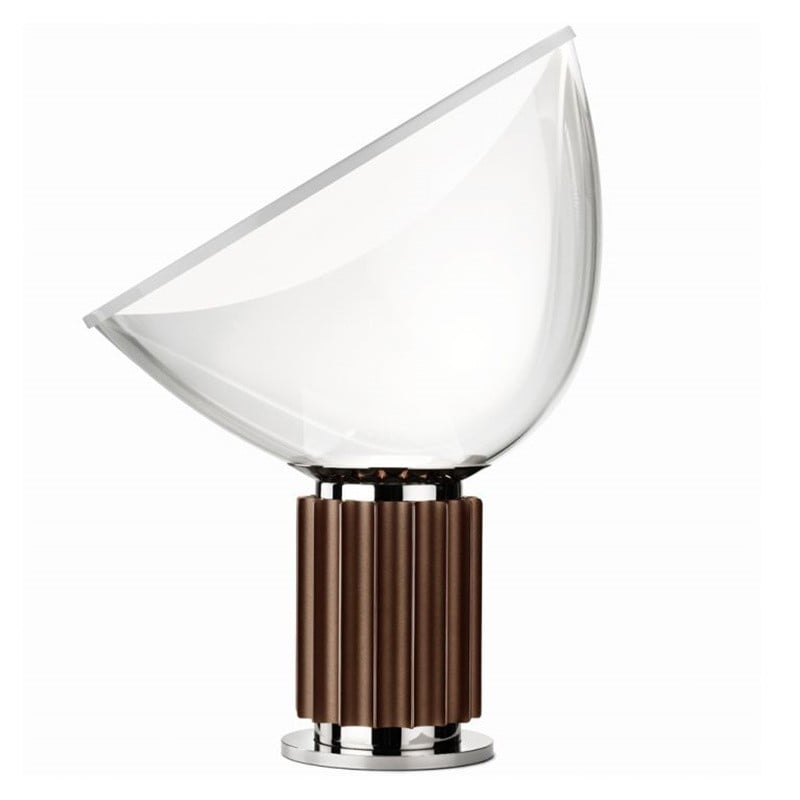
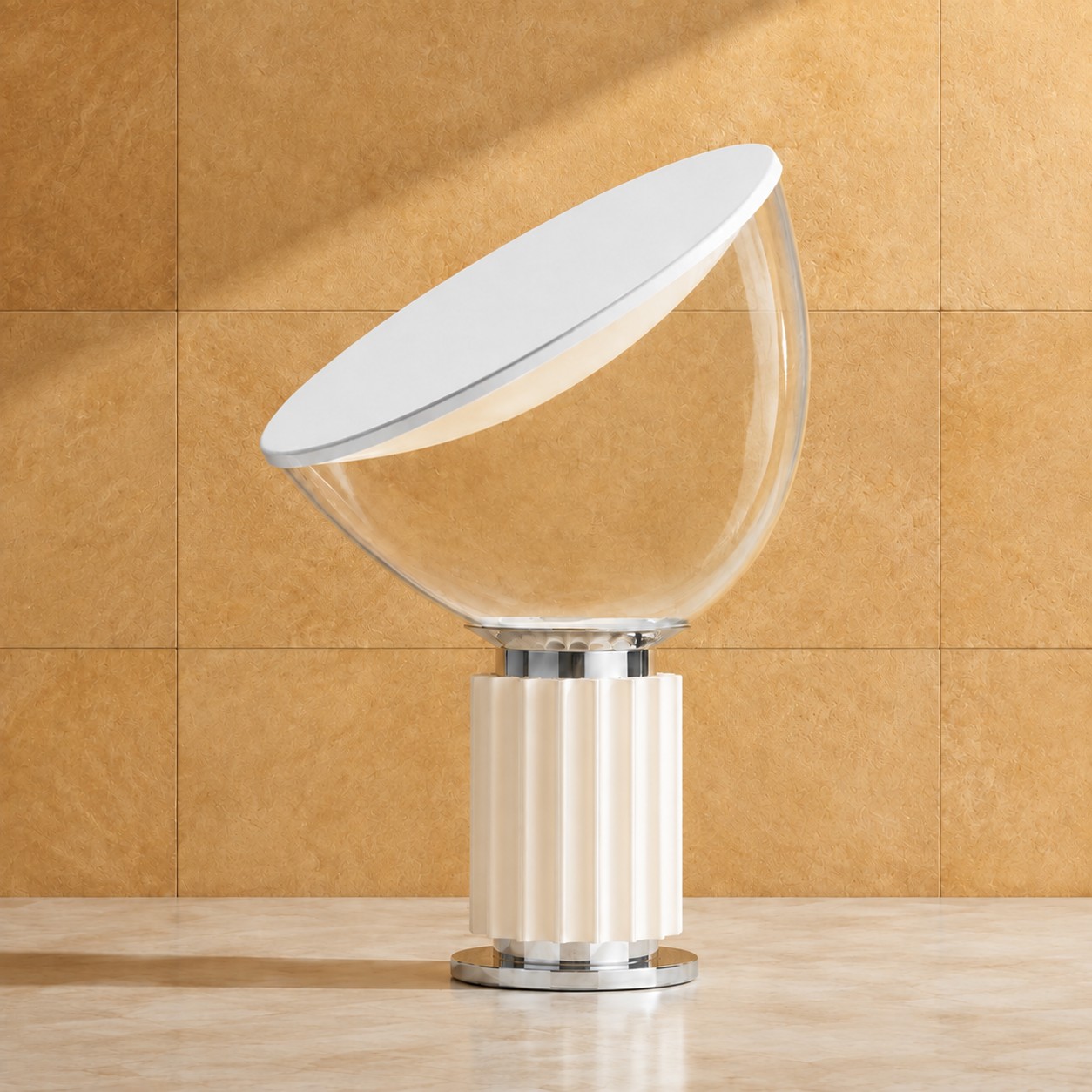
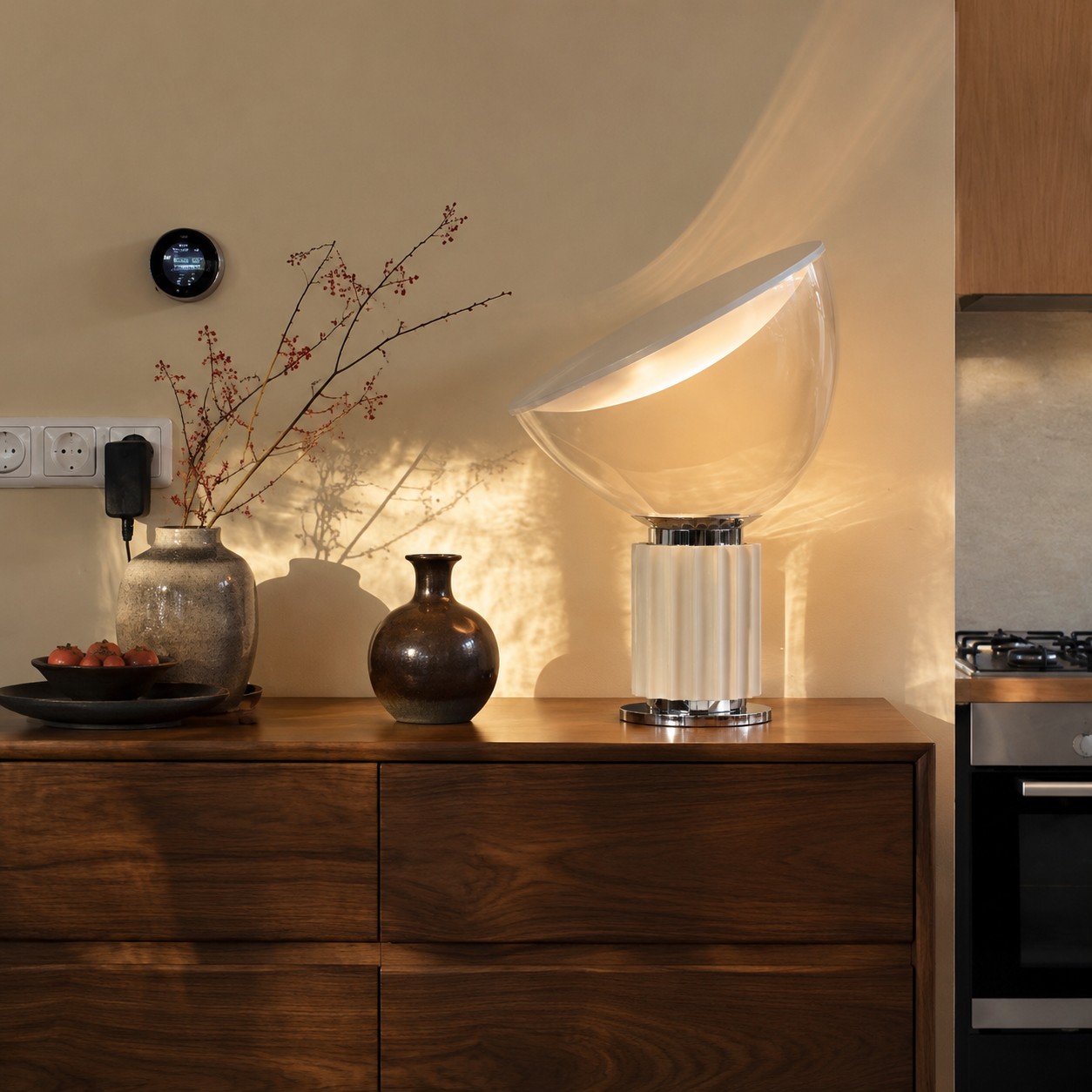
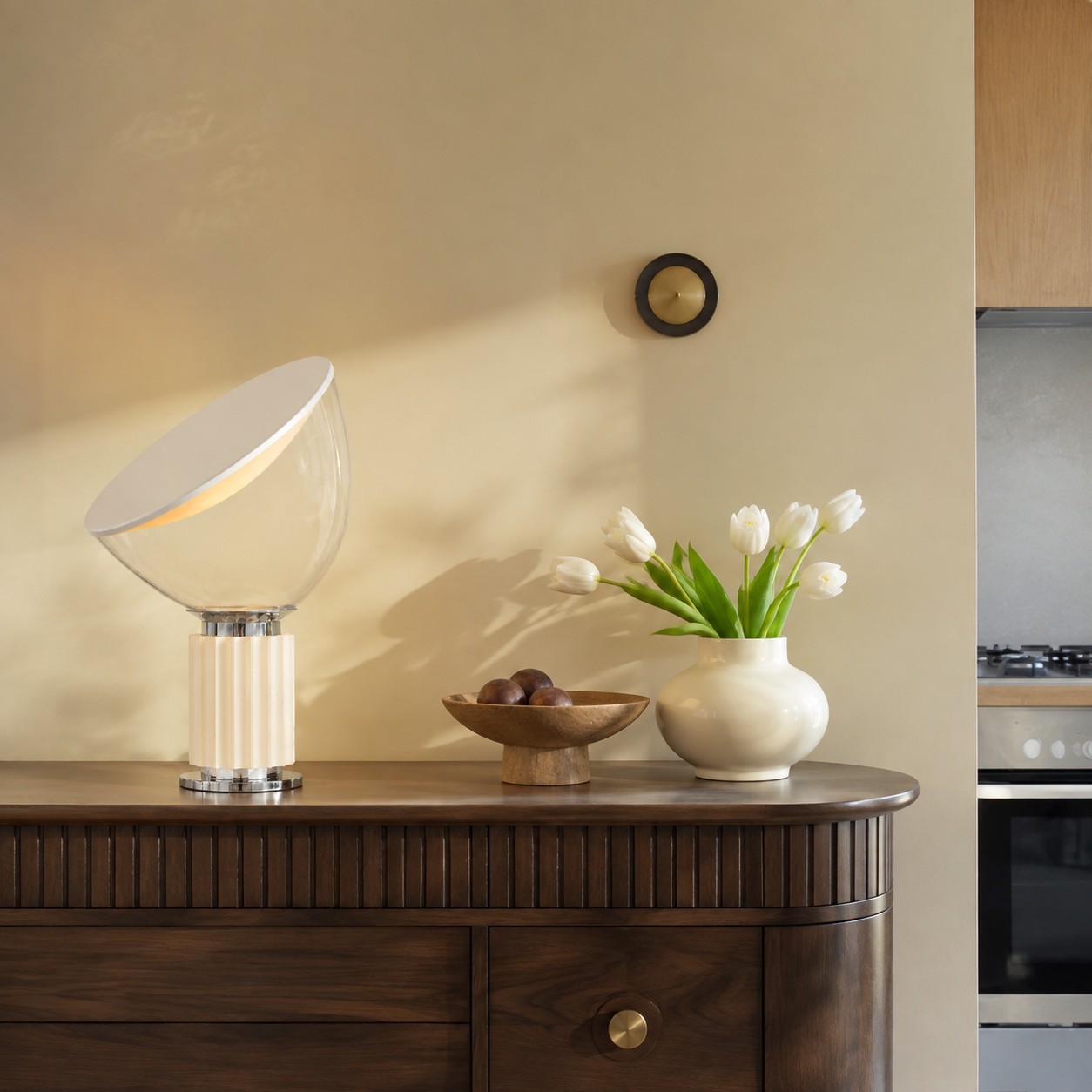
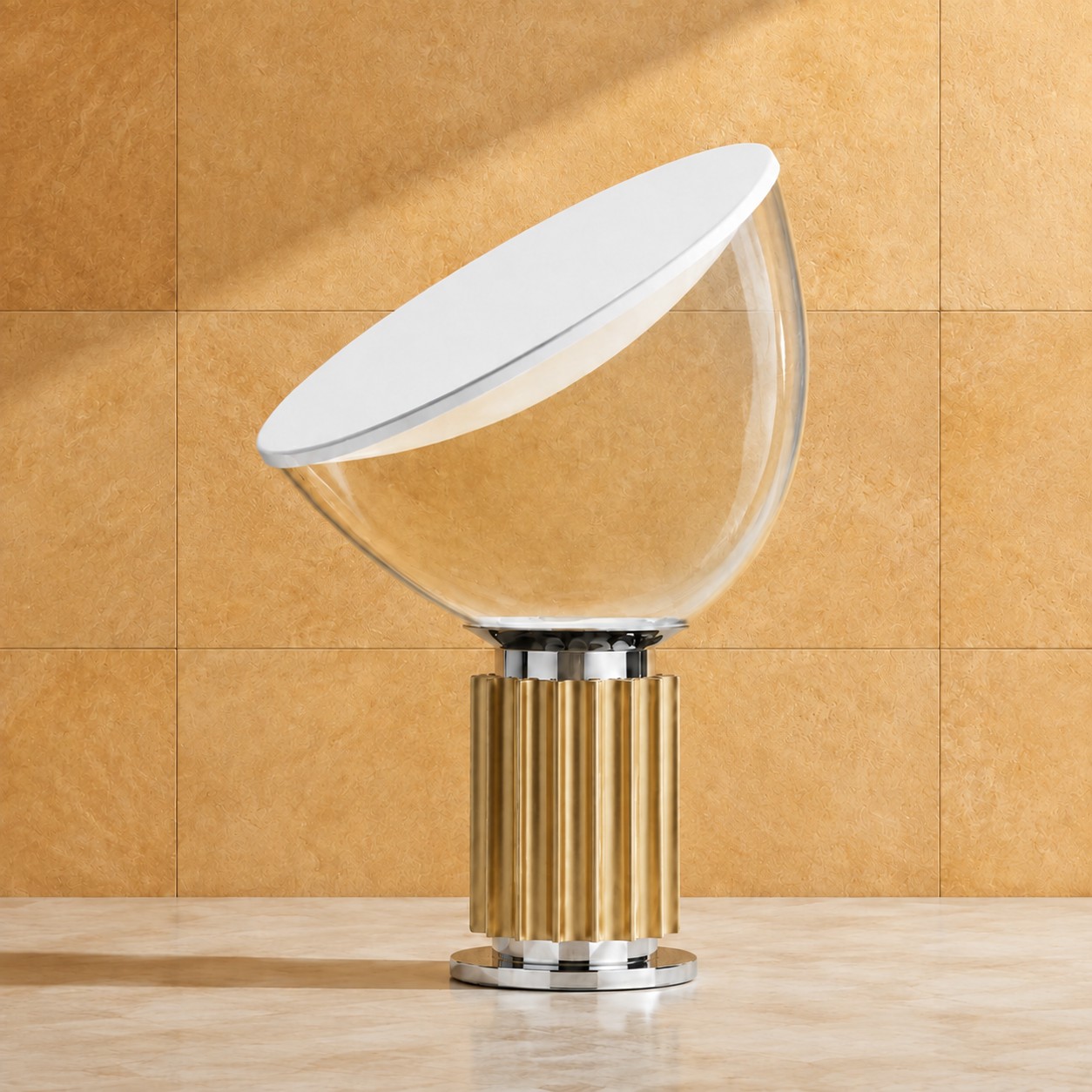
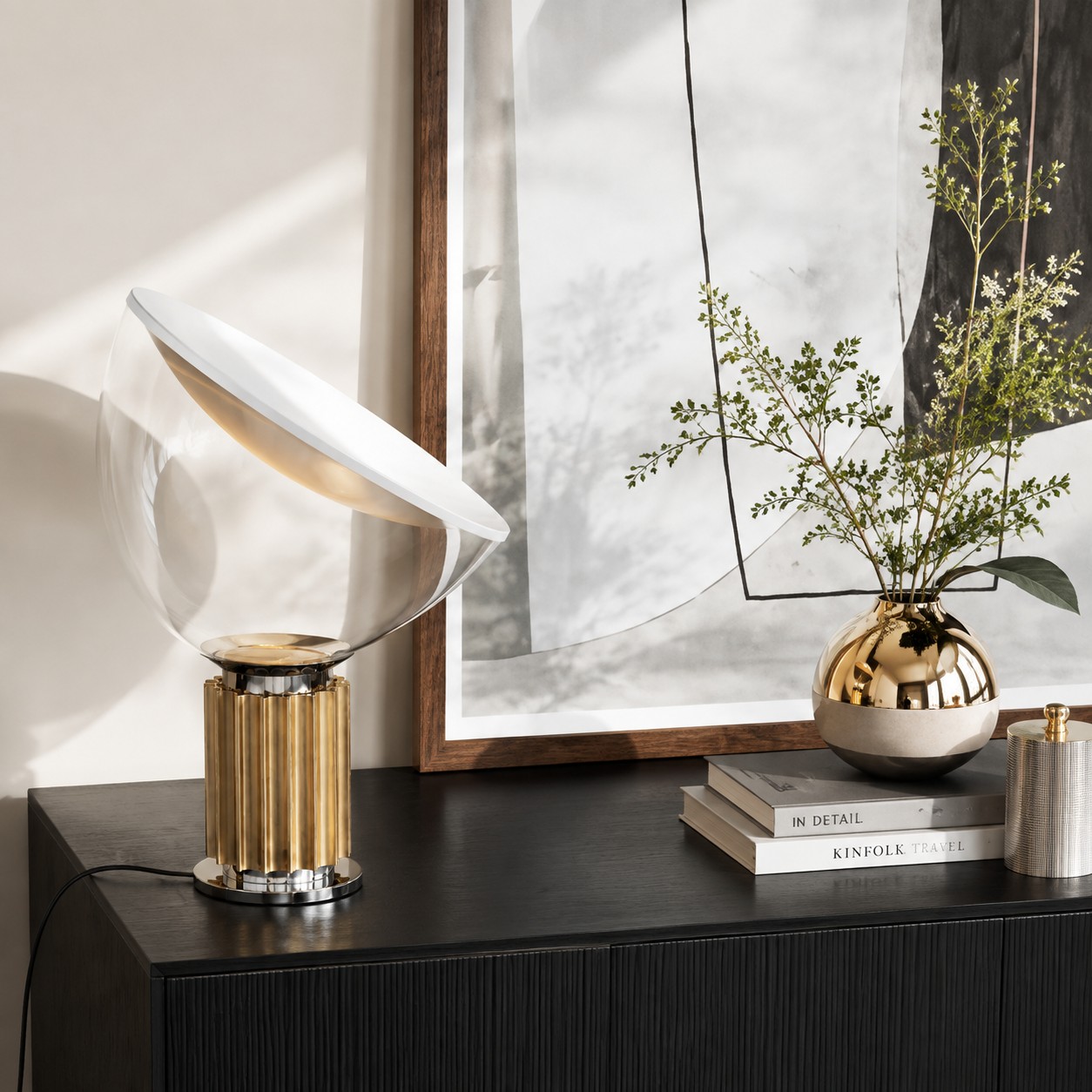
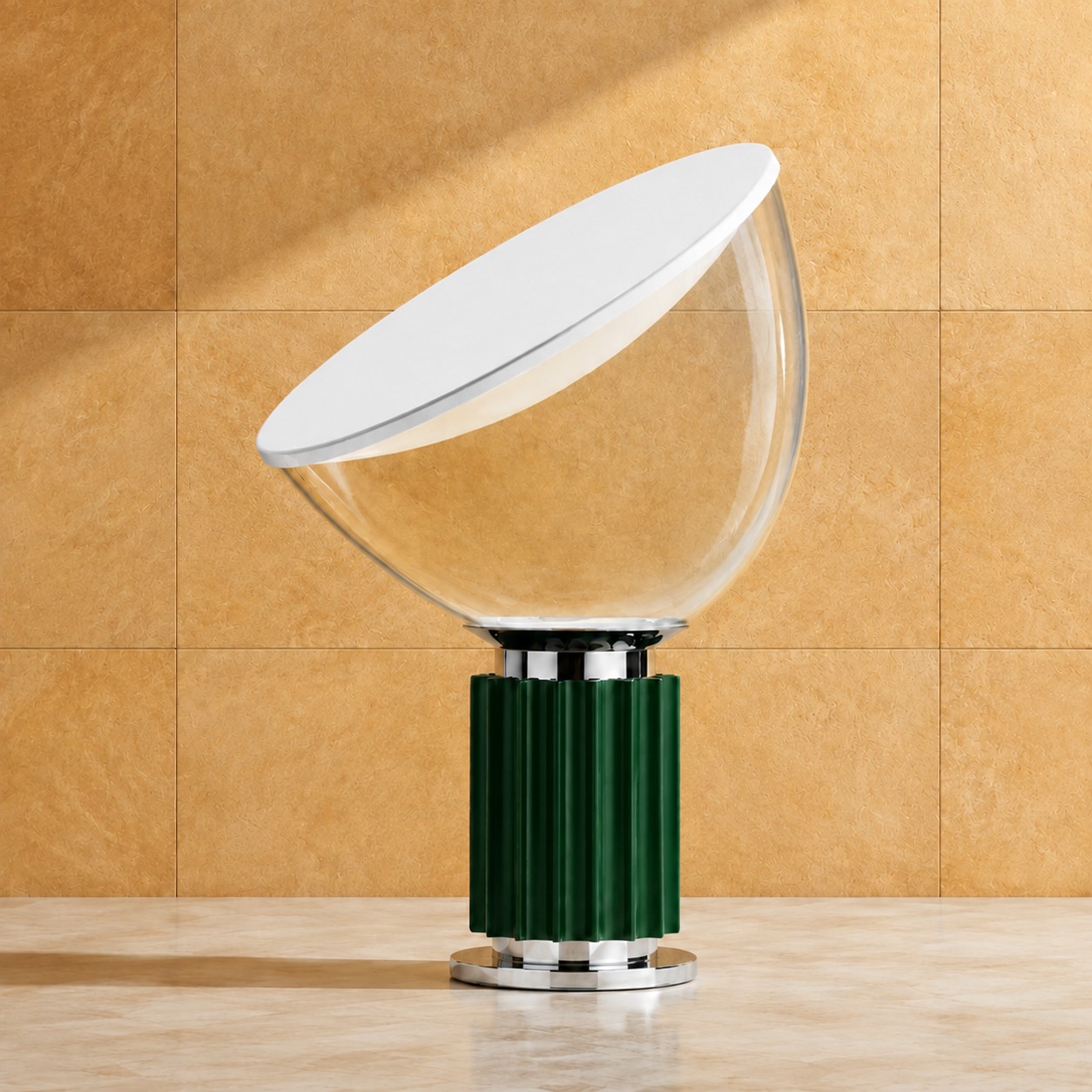
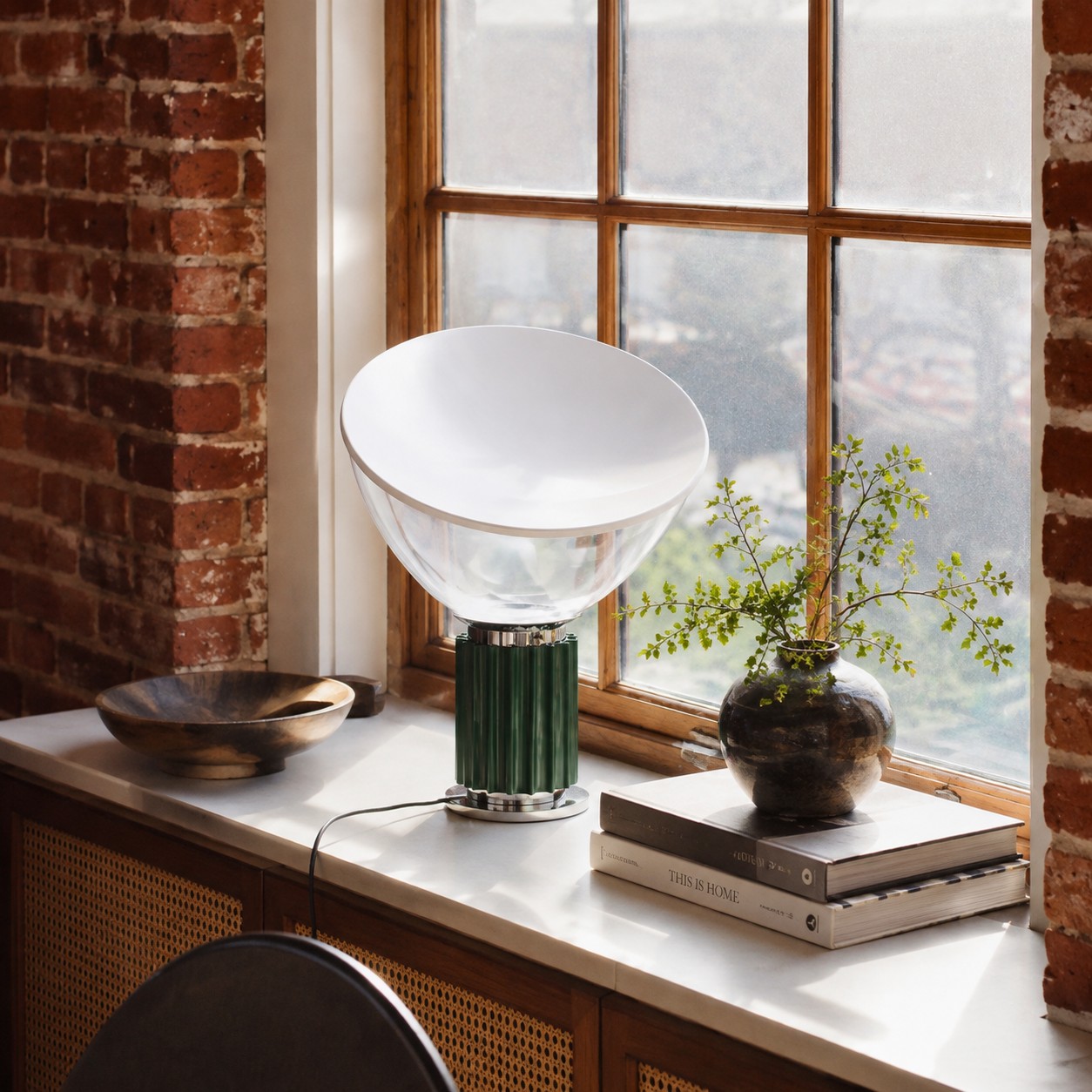
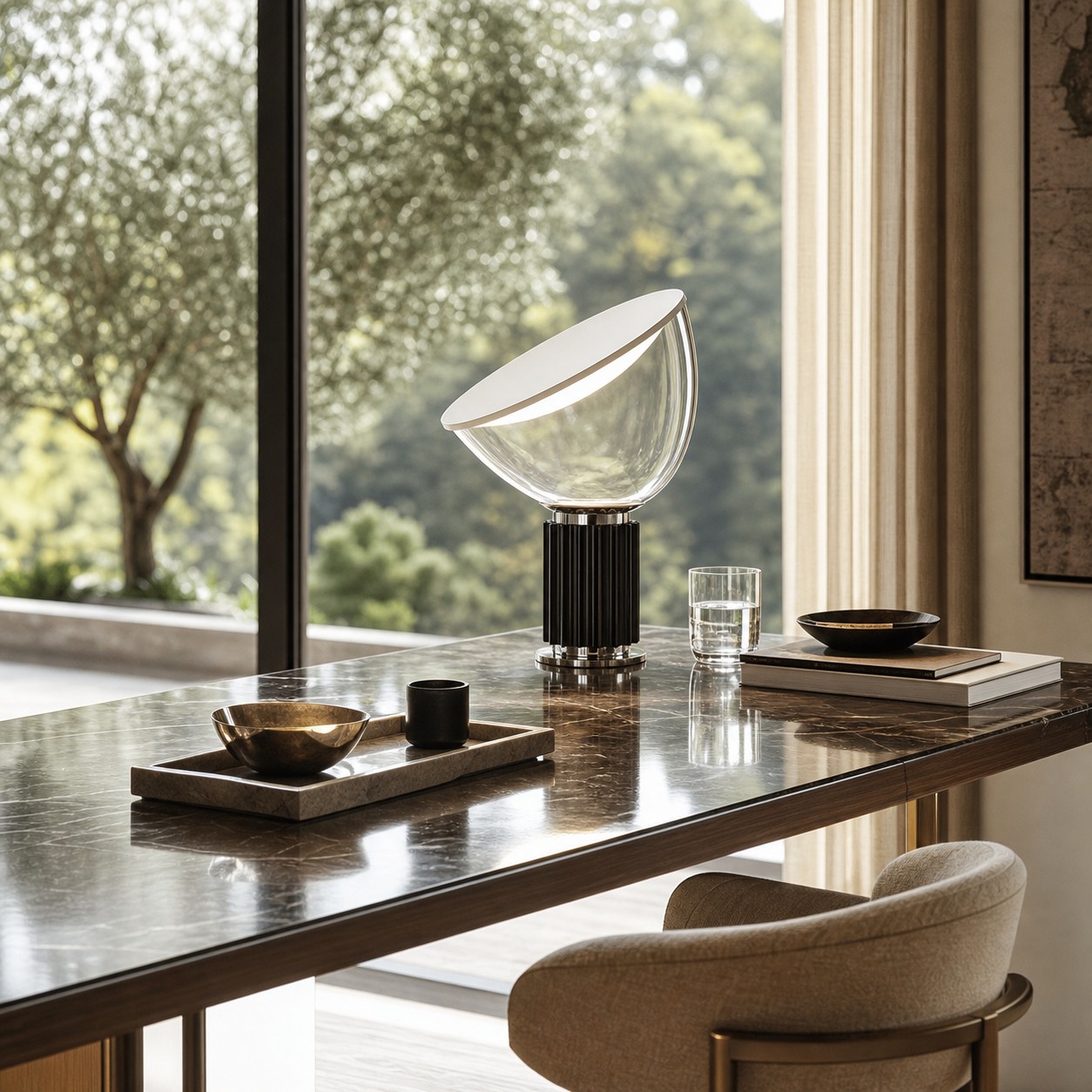
The current Taccia listing specifies E27, a maximum of 40 W and a bulb that is not included. Its bowl-shaped shade rotates through 360 degrees, which can help you test the reflector angle, but the form is still better treated as an ambient or decorative light point than a specialist task lamp. Confirm the live regional specification before choosing a bulb or separate control.
Review the Taccia lamp specifications
Step 4: Match the Lamp to the Surface and the User
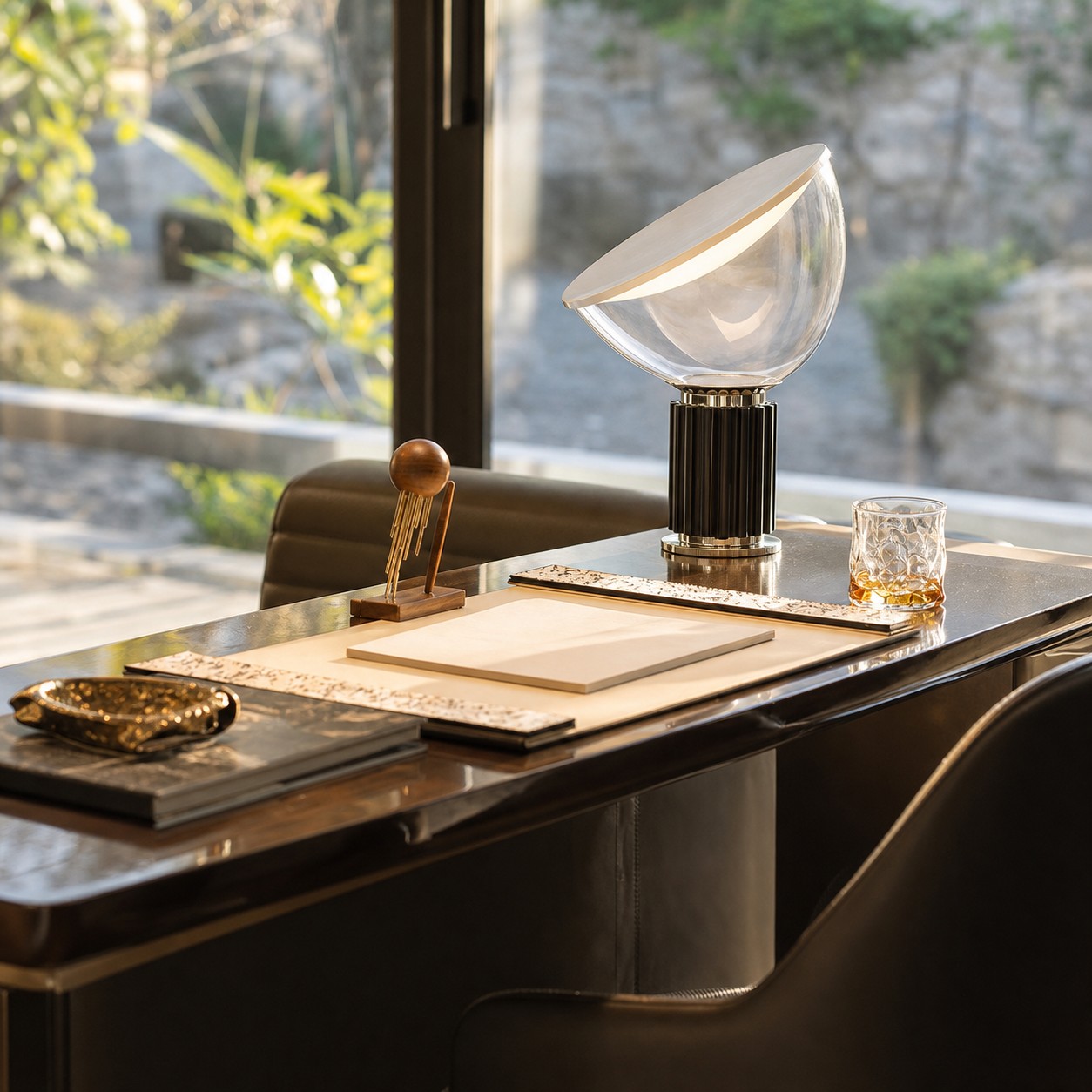
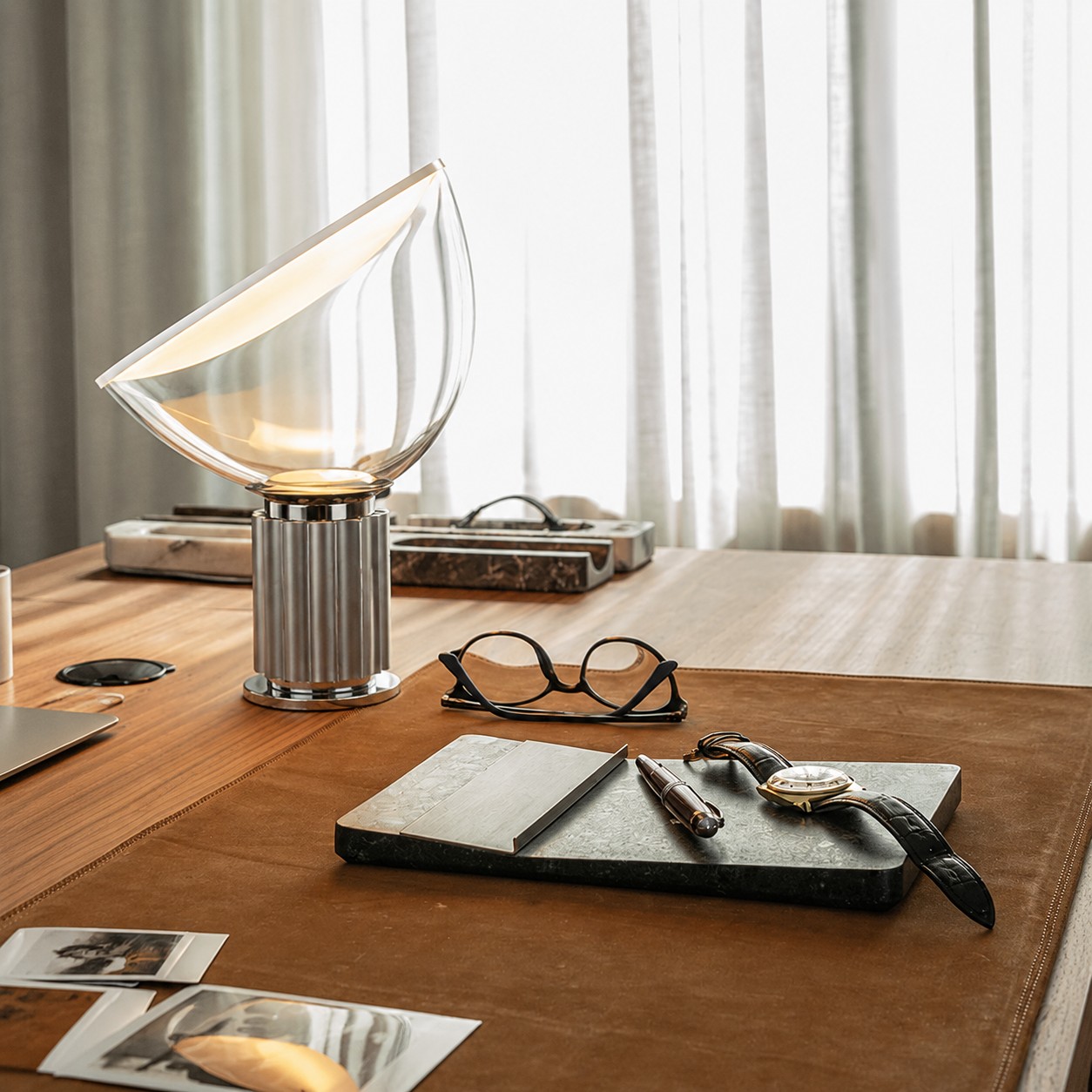
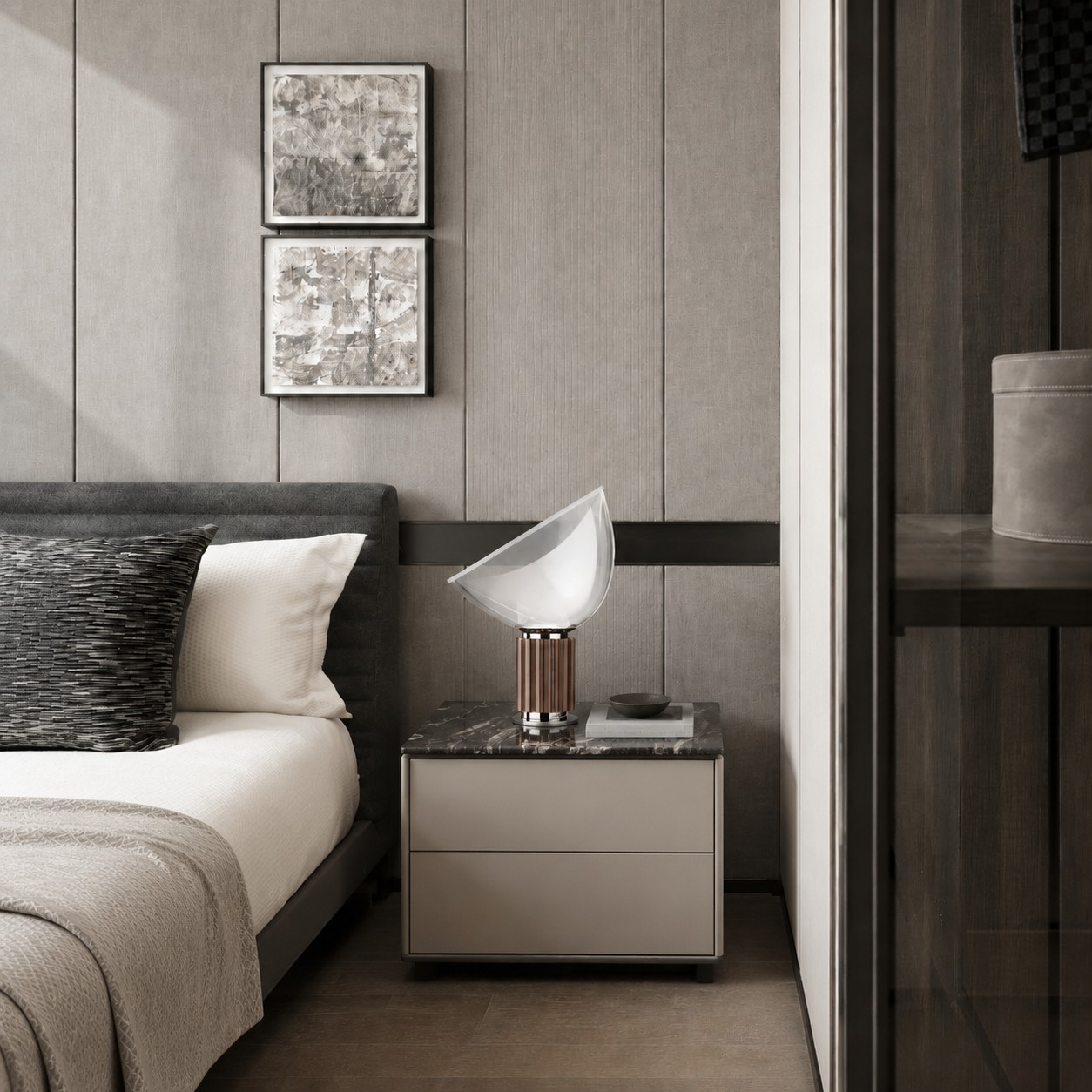
A table lamp must leave room for the activity beside it. On a reading table, that means a book, drink and hand movement. On a console, it means enough negative space for the lamp to act as a focal point. Measure both the base area and the widest part of the lamp, then check the view from the nearest seat.
Switch access matters as much as appearance. A lamp that requires standing up every time may be acceptable on a decorative console but irritating beside a reading chair. Cable length and routing also define where the lamp can work safely and neatly.
Step 5: Know When One Lamp Cannot Do Both Jobs
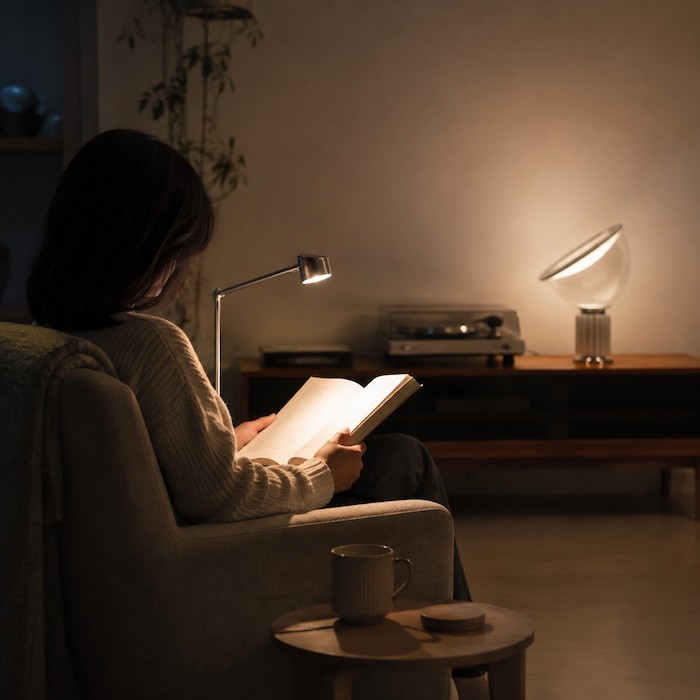
Choose separate ambient and task lights when the activity requires precise direction, when two people need different light levels or when the decorative lamp produces a comfortable glow but does not reach the page. Separating roles is often more honest than making one product carry incompatible expectations.
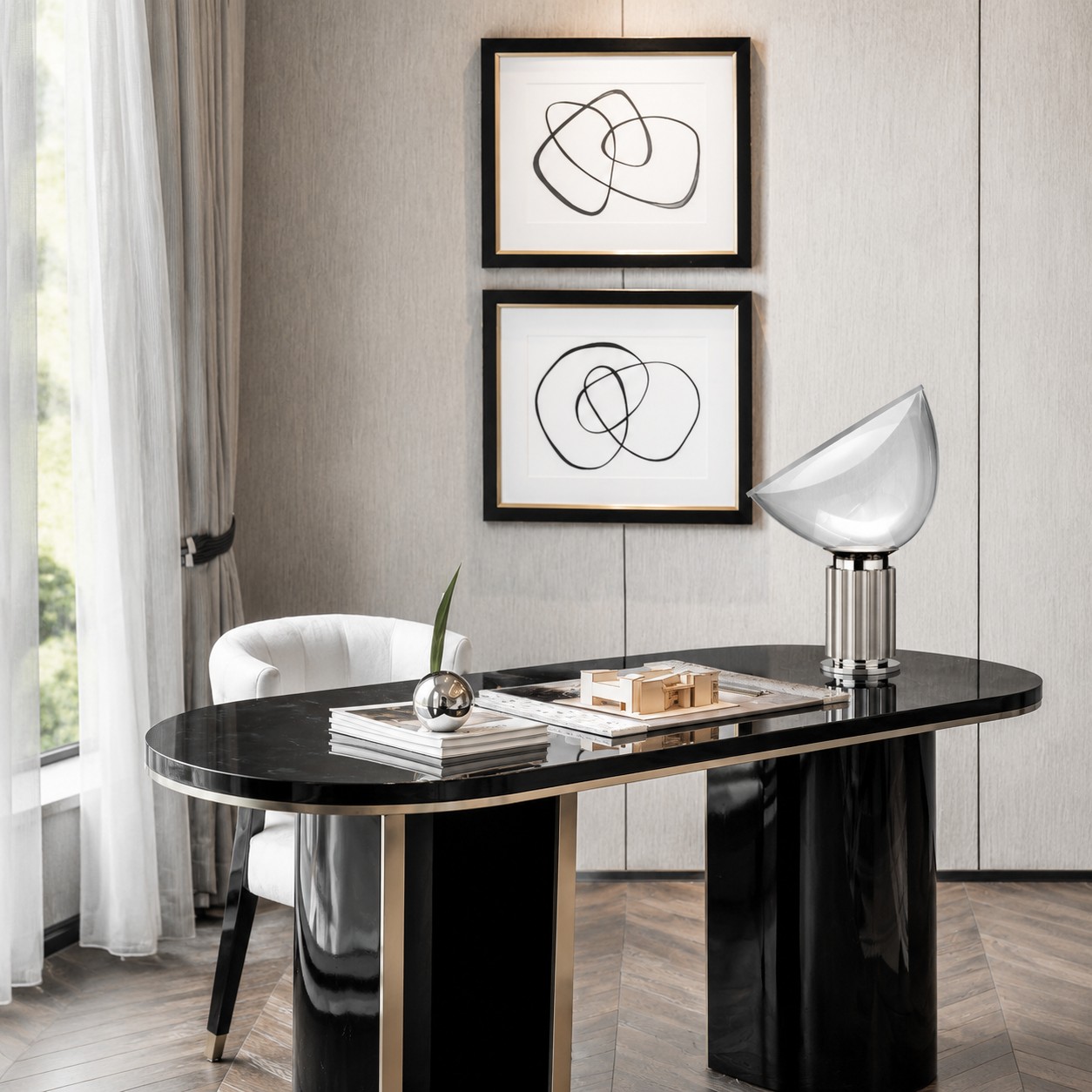
Placement affects the result as much as material. A suitable lamp can still fail when it sits too far from the activity, directly in a seated sightline or on the already bright side of the room. Use Where to Place a Table Lamp in the Living Room for Better Balance once the lamp's primary role is clear.
Your Final Buying Check
- The primary activity and user are clearly identified.
- The lamp sends light towards the area that needs it.
- The bulb and brightest surface remain comfortable from seated eye level.
- The socket, maximum wattage and dimming status are confirmed.
- The base and widest point fit the table with usable space remaining.
- The switch and cable route make sense in daily use.
When the Taccia Is the Right Kind of Ambient Table Lamp
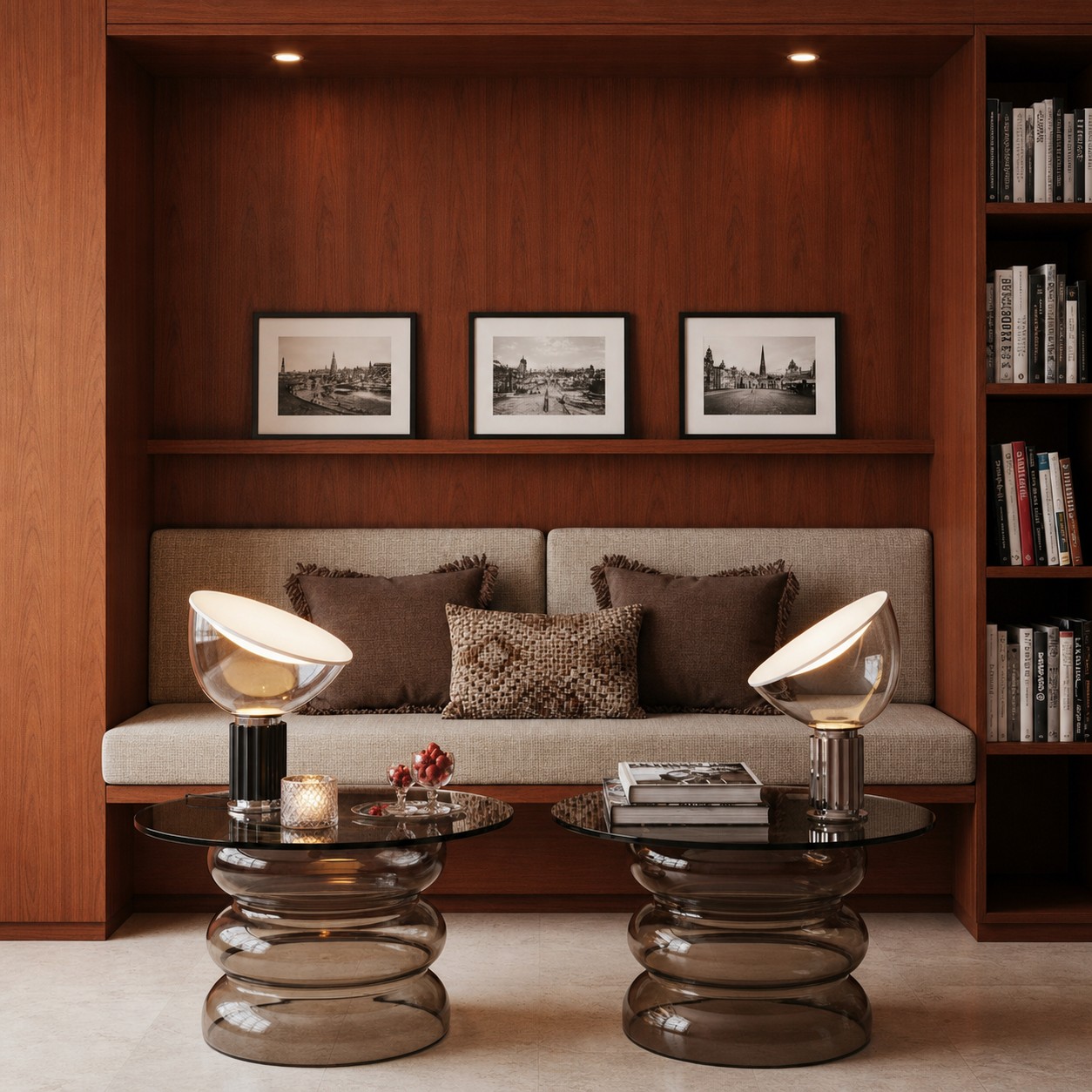
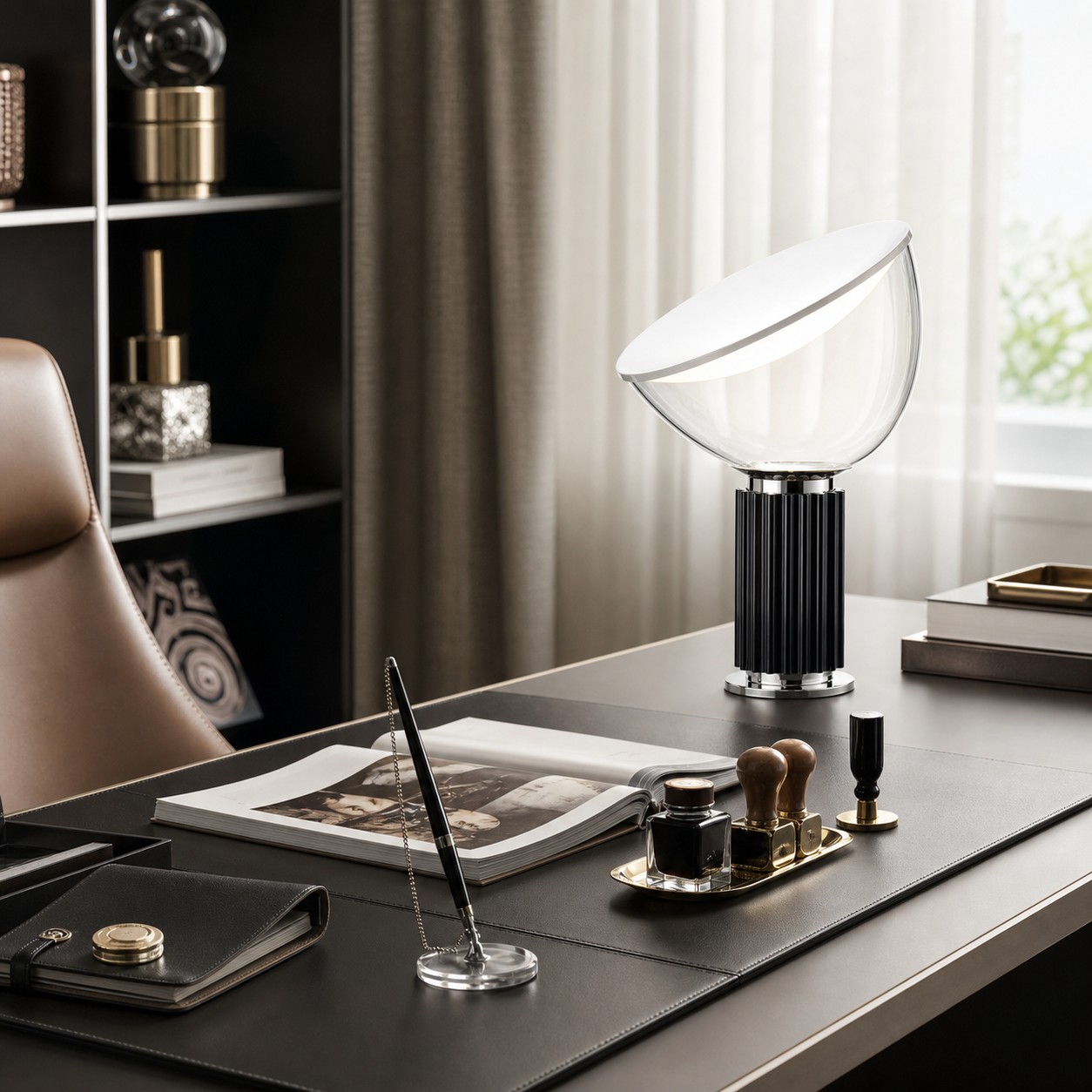
The Bowl Shape Glass Table Lamp works best when the room needs a noticeable low-level focal point rather than a compact adjustable task tool. The small size measures 37.3 cm in diameter by 48.5 cm high, while the large size measures 49.5 cm in diameter by 64.5 cm high. Black, Silver, Bronze, Warm White, Brushed Brass and Deep Green finishes allow it to connect with different furniture and hardware without changing its basic lighting role.
Use the smaller size where surface depth is limited but the full 37.3 cm diameter can still sit securely. Reserve the larger size for a broad console or cabinet that can accommodate its 49.5 cm diameter without crowding everyday objects.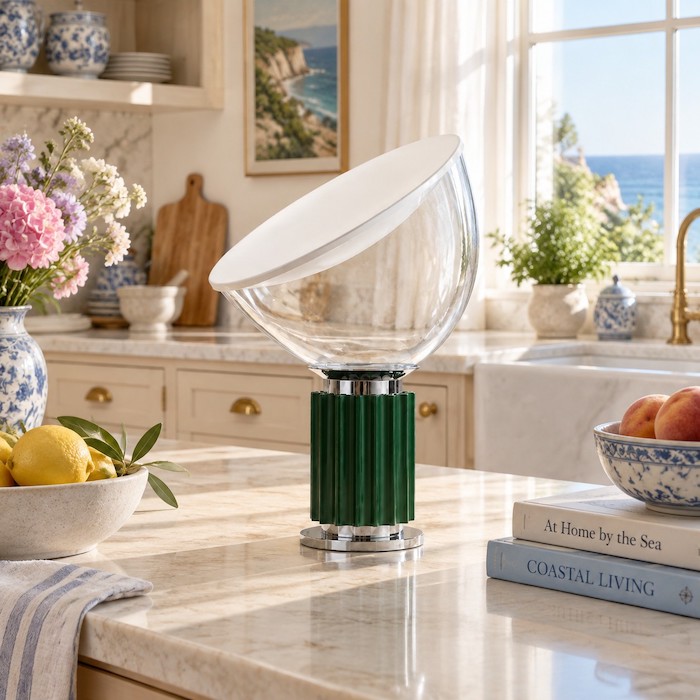
Compare Taccia sizes and finishes
Questions to Ask Before Choosing a Table Lamp
How do I pick a table lamp for a living room?
Start with the activity, then check light direction, glare, size, switch access and bulb compatibility before choosing the finish.
Can one table lamp provide task light and ambience?
Sometimes. It must illuminate the task comfortably and still distribute enough softer light to connect with the room.
Do I need a dimmable table lamp for evening ambience?
Not always. Dimming adds flexibility, but comfortable ambience can also come from a suitable bulb, shielded sightline and a second lower-output light source. Confirm the actual control before buying.
What does E27, maximum 40W mean?
It identifies the socket and the fixture's stated maximum wattage. Choose a compatible bulb without exceeding that limit.
Can a sculptural bowl lamp replace a dedicated reading lamp?
Usually not. A bowl lamp can support the room around a reading chair, but close reading generally benefits from a directional source that puts light on the page without exposing glare.