Why Your Living Room Still Feels Flat After Adding a Table Lamp
A room can be bright enough and still feel flat. The usual problem is not the absence of another decorative object; it is that every light performs the same job, sits at the same visual level or illuminates only one part of the room. Effective layered lighting for a living room gives different zones different responsibilities.
First Diagnose Whether the Room Is Dark or Flat
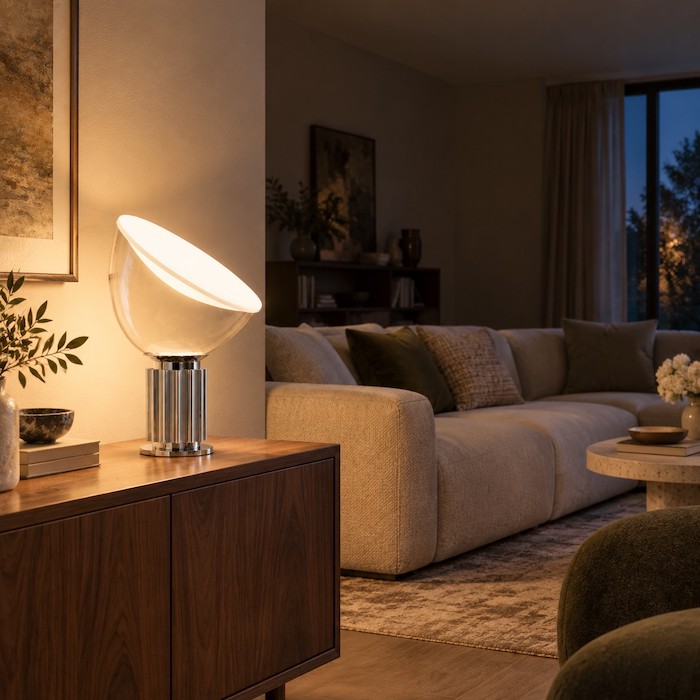
A dark room lacks enough useful light for movement or activity. A flat room may be reasonably bright, yet furniture, walls and objects merge into one visual plane. Turn on your normal evening lights and ask: can you read comfortably, can you move safely, and can you distinguish foreground from background?
If activities are difficult, solve useful light first. If activities are comfortable but the room feels lifeless, look for missing contrast between heights and zones. Adding a stronger bulb to the same lamp may only create a brighter hotspot while leaving the far wall unchanged.
The Basic Rule: Separate Light by Job, Height and Zone
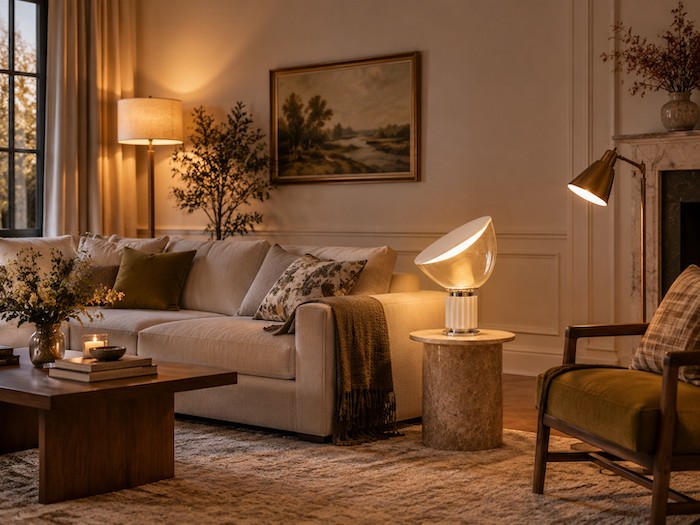
A practical lighting plan normally combines overall ambient light, focused light for activities and selected emphasis on a wall, object or architectural feature. Architectural Digest similarly recommends combining light sources at different levels so they can work together or separately.
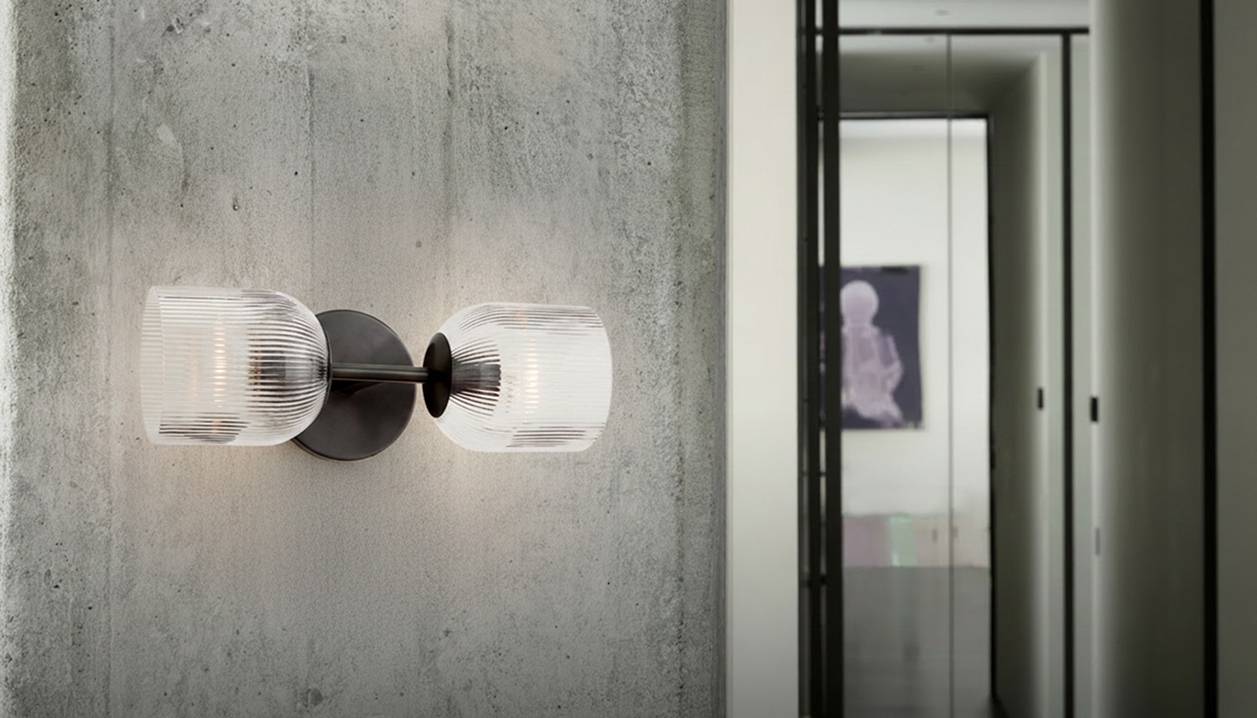
You do not need a rigid number of fixtures. You need enough separation to prevent every source from doing the same thing. A ceiling light, table lamp and wall light can create layers; so can two table lamps at different locations plus a floor lamp that serves a reading chair.
When One Table Lamp Is Enough
One lamp may be enough in a compact room when the ceiling or wall lighting already provides the general level, the table lamp supports the main seating area and no distant corner drops into darkness. It can also be enough for a short evening routine when the goal is intentionally low and calm light.
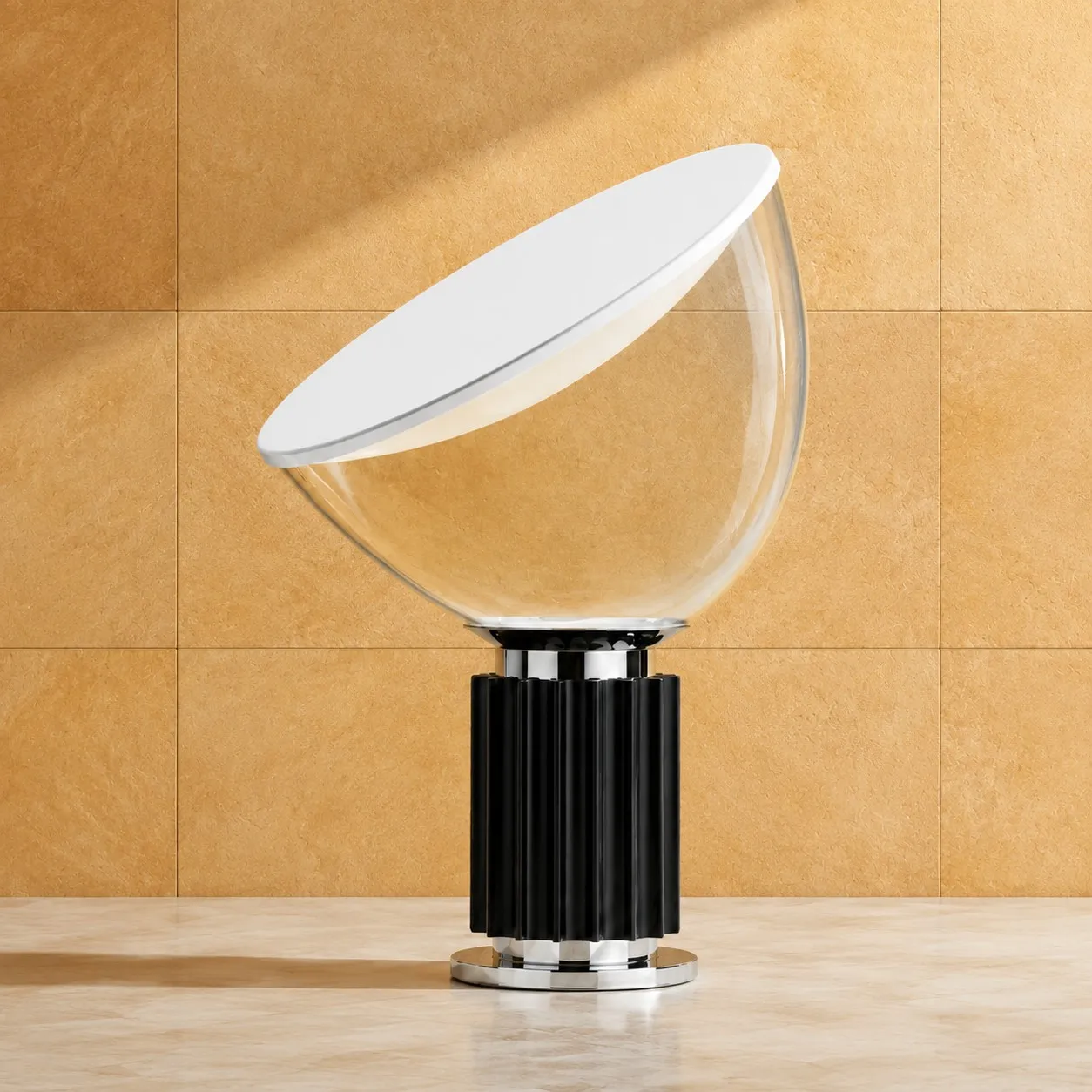
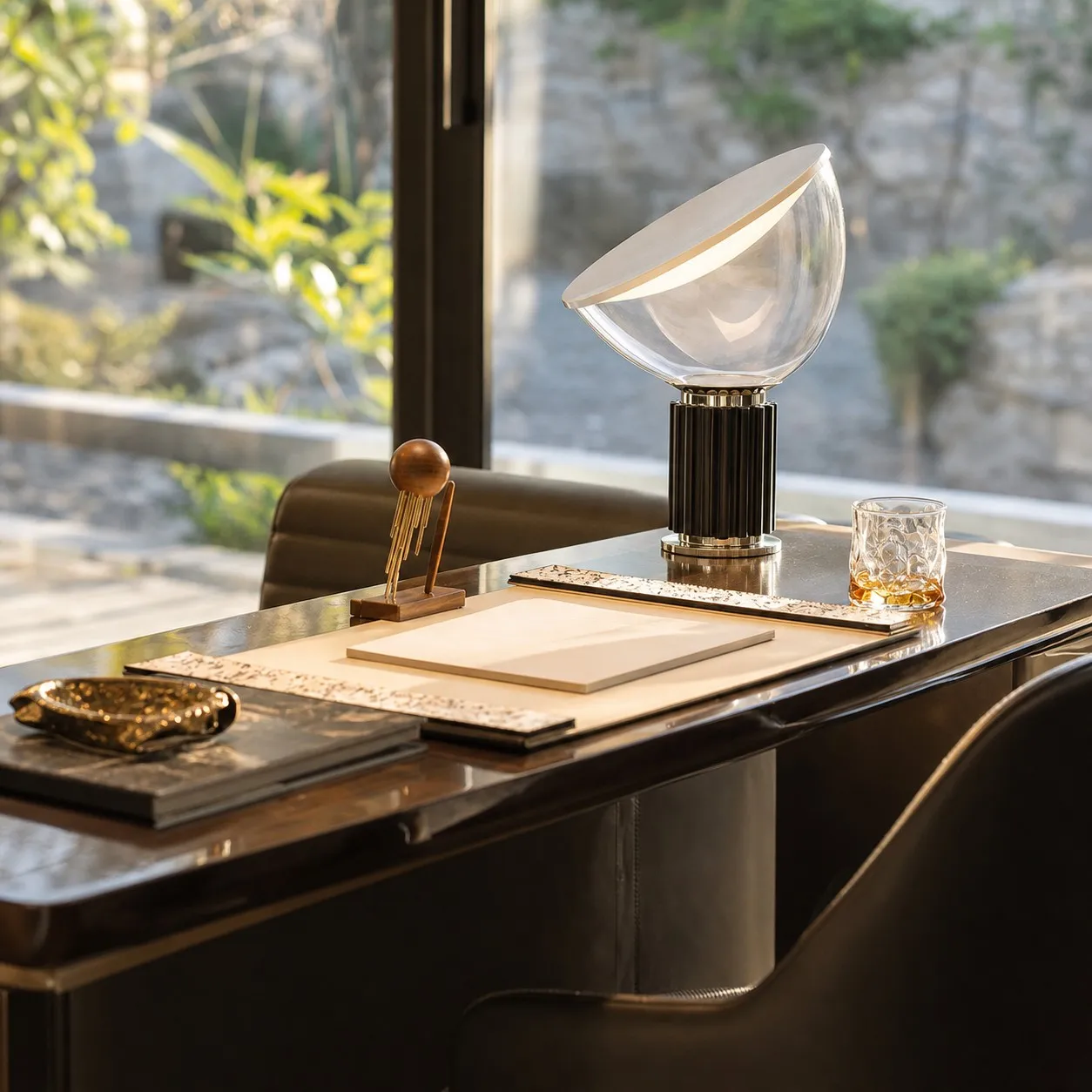
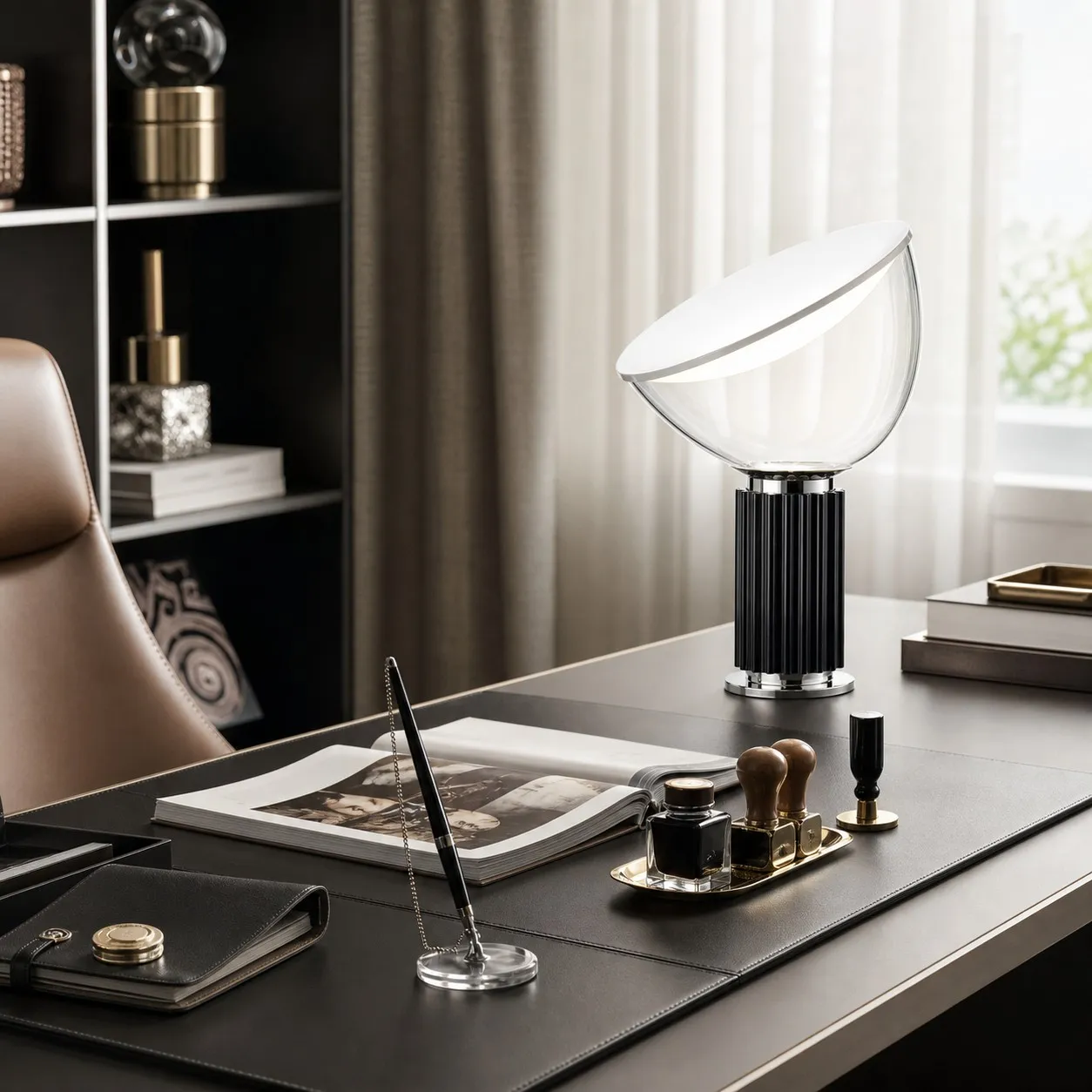
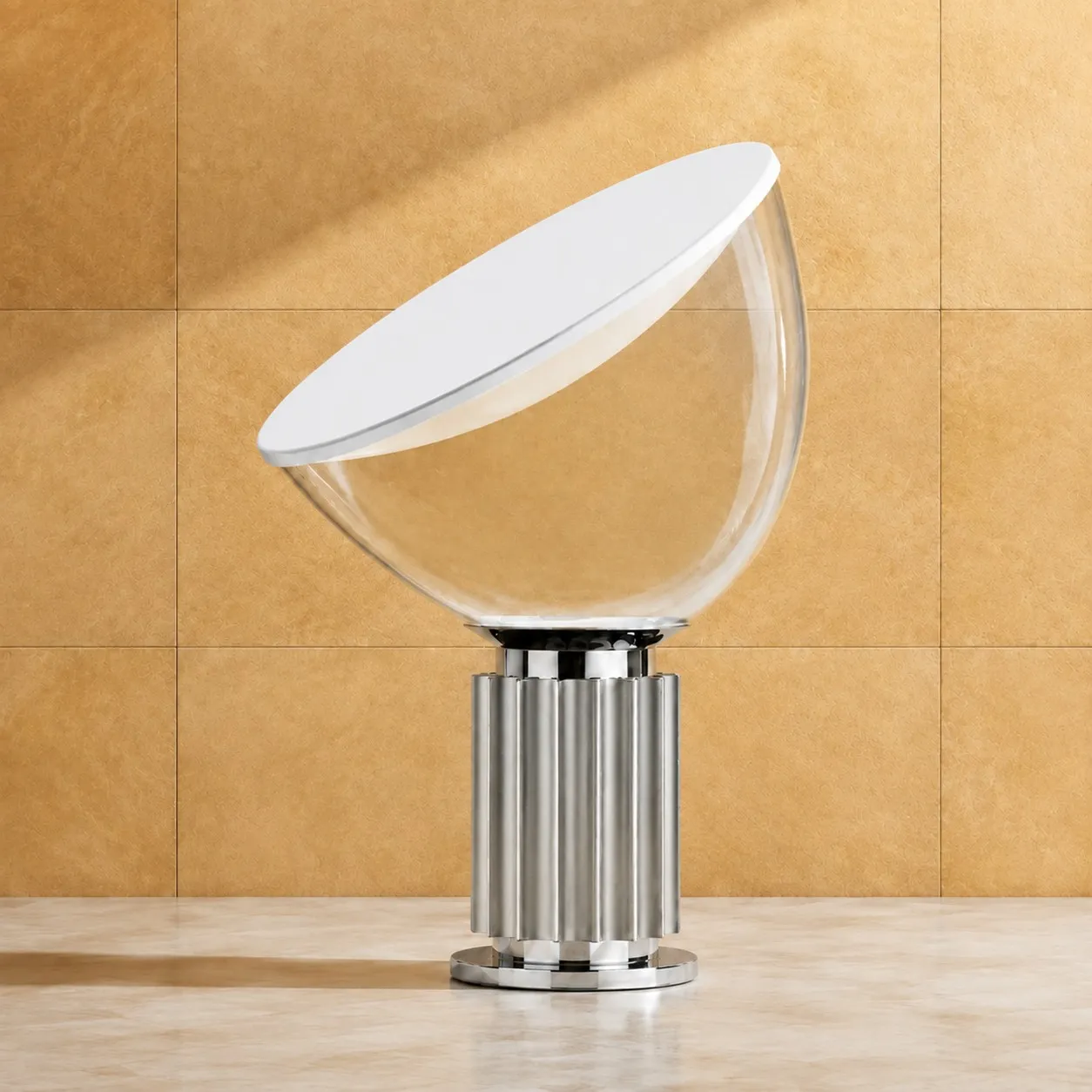
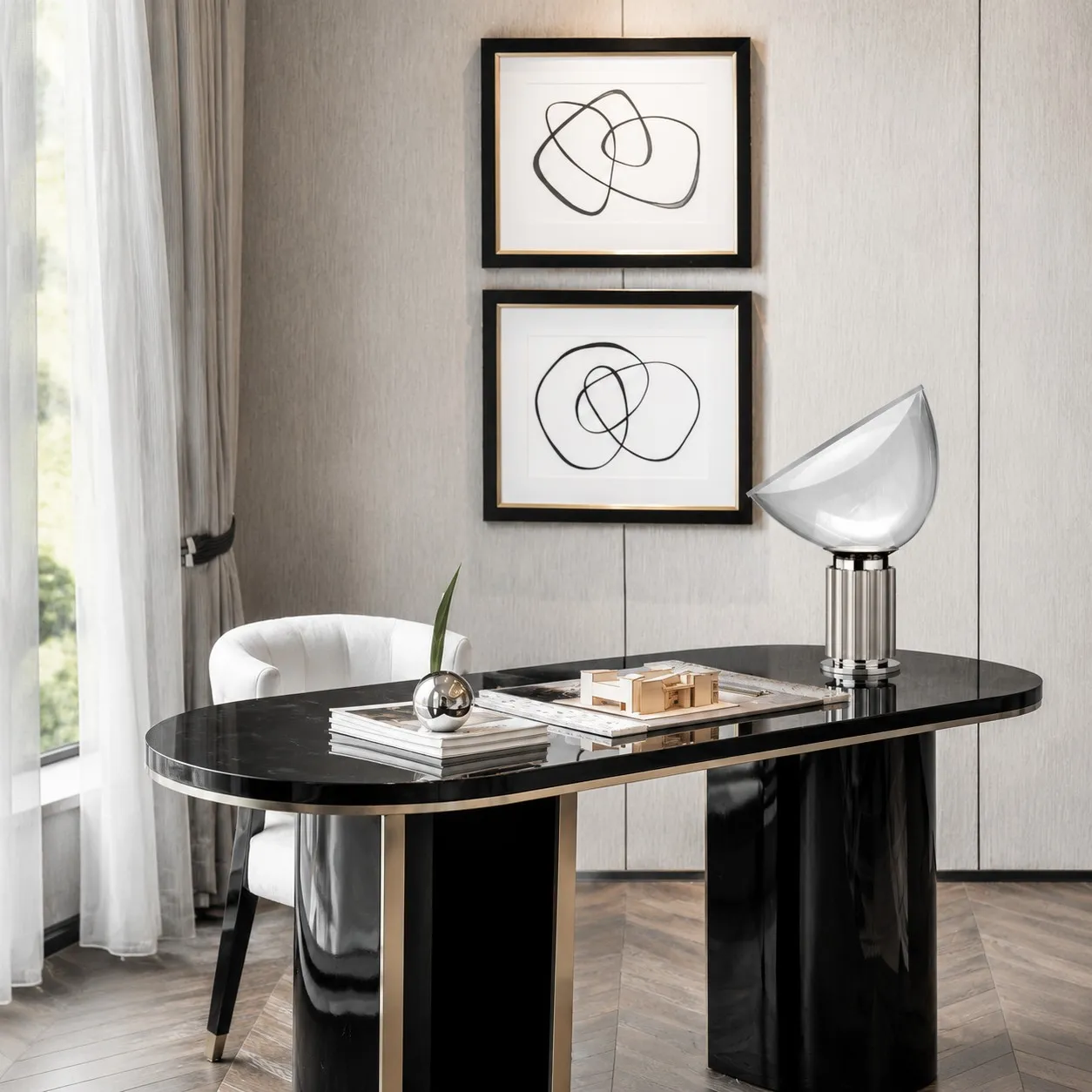
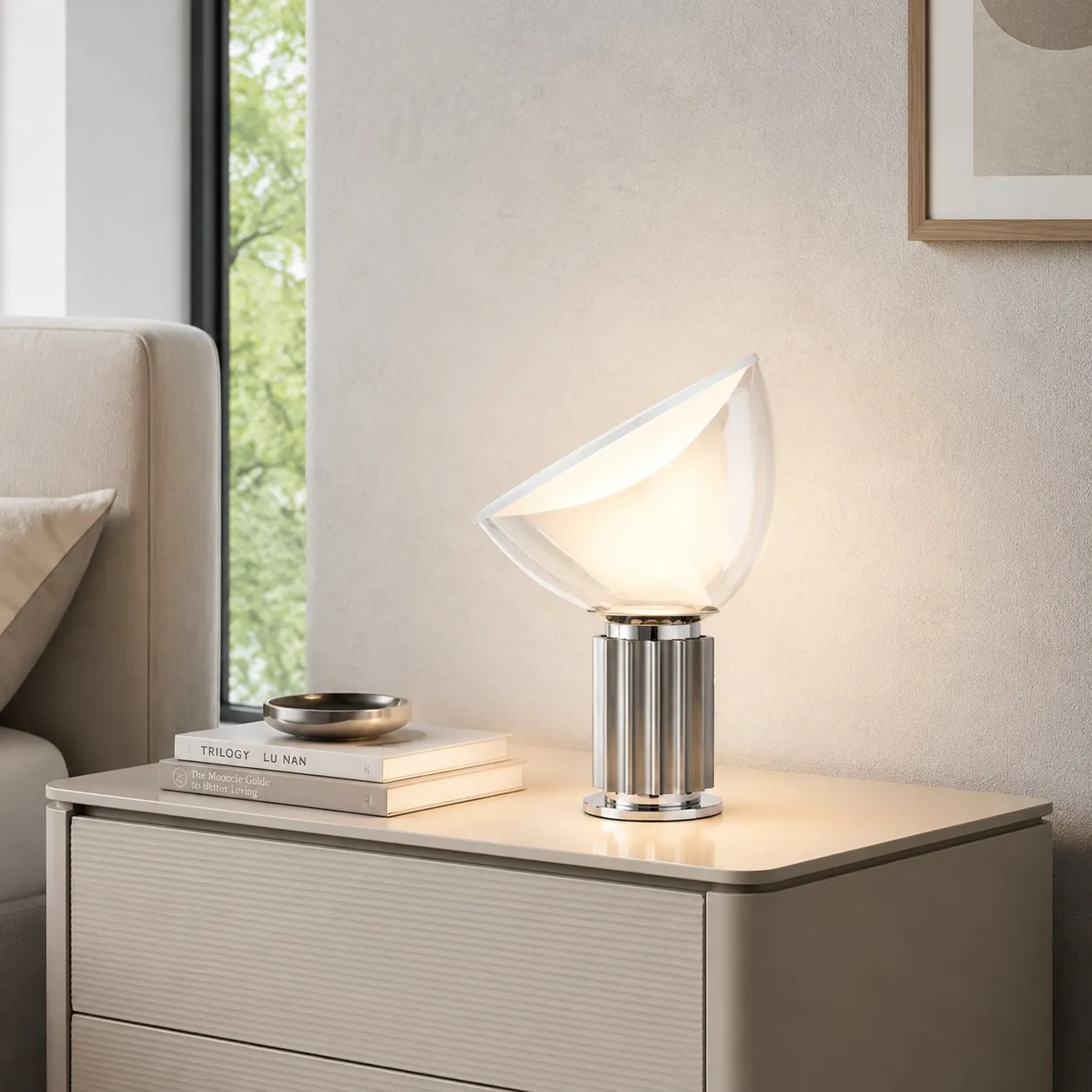
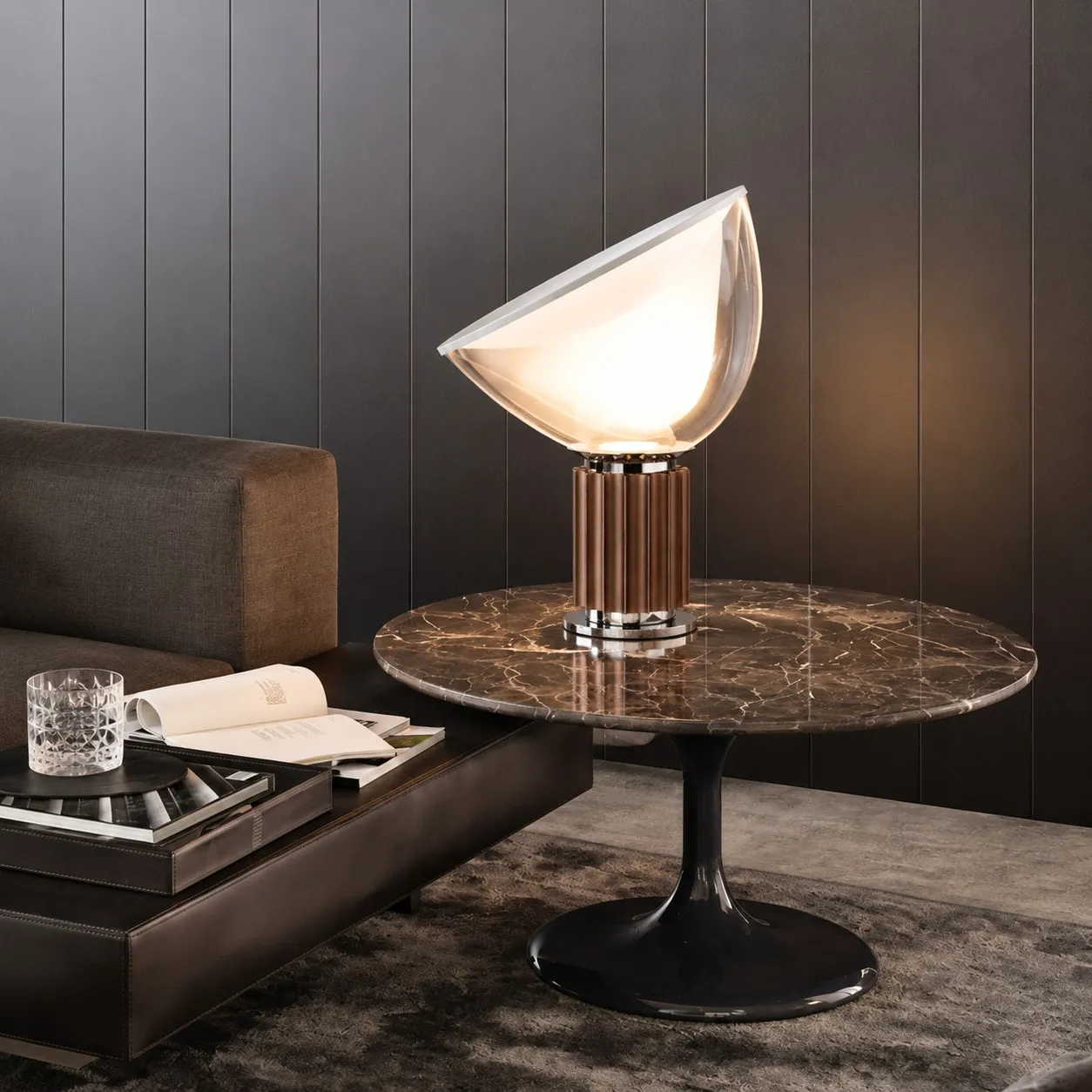
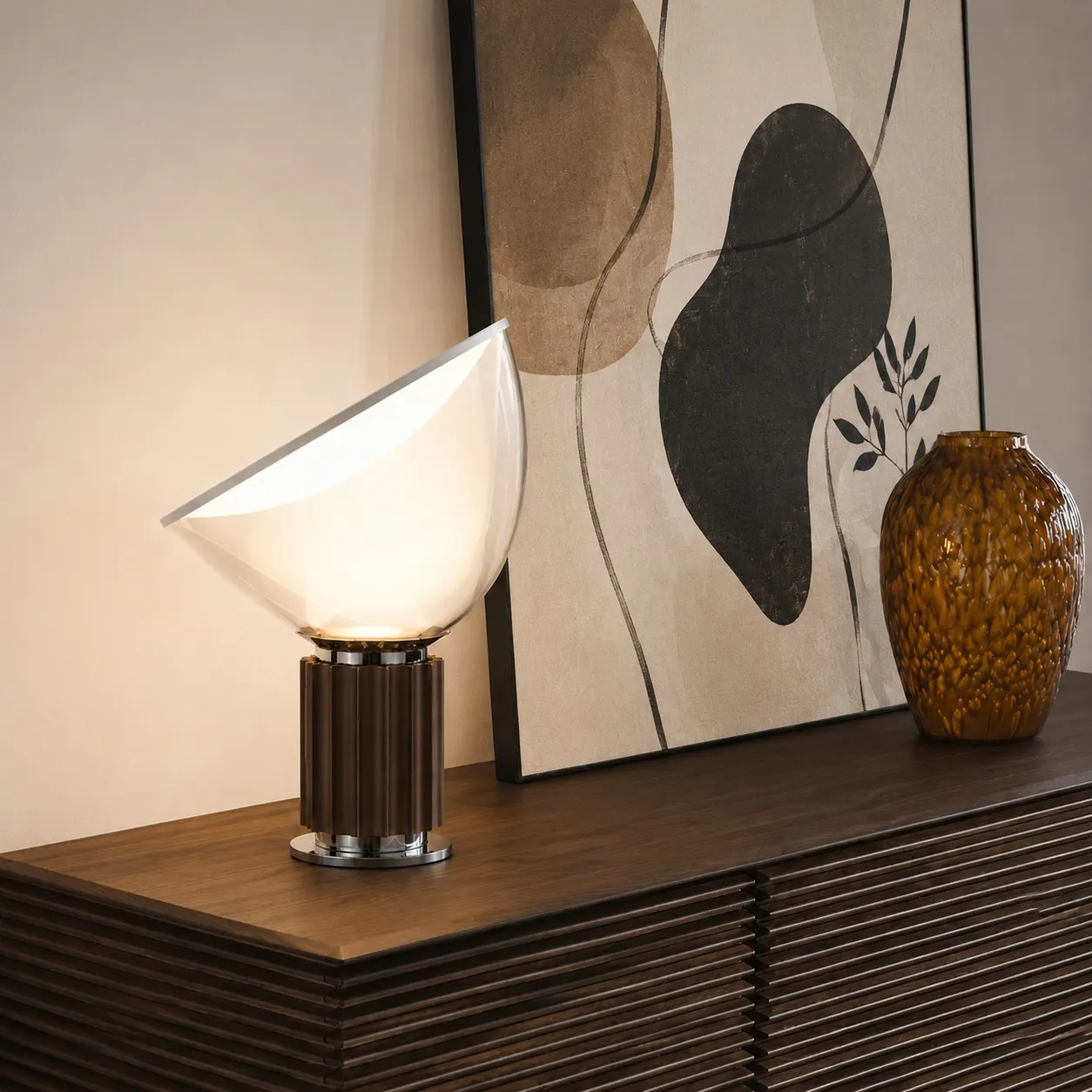
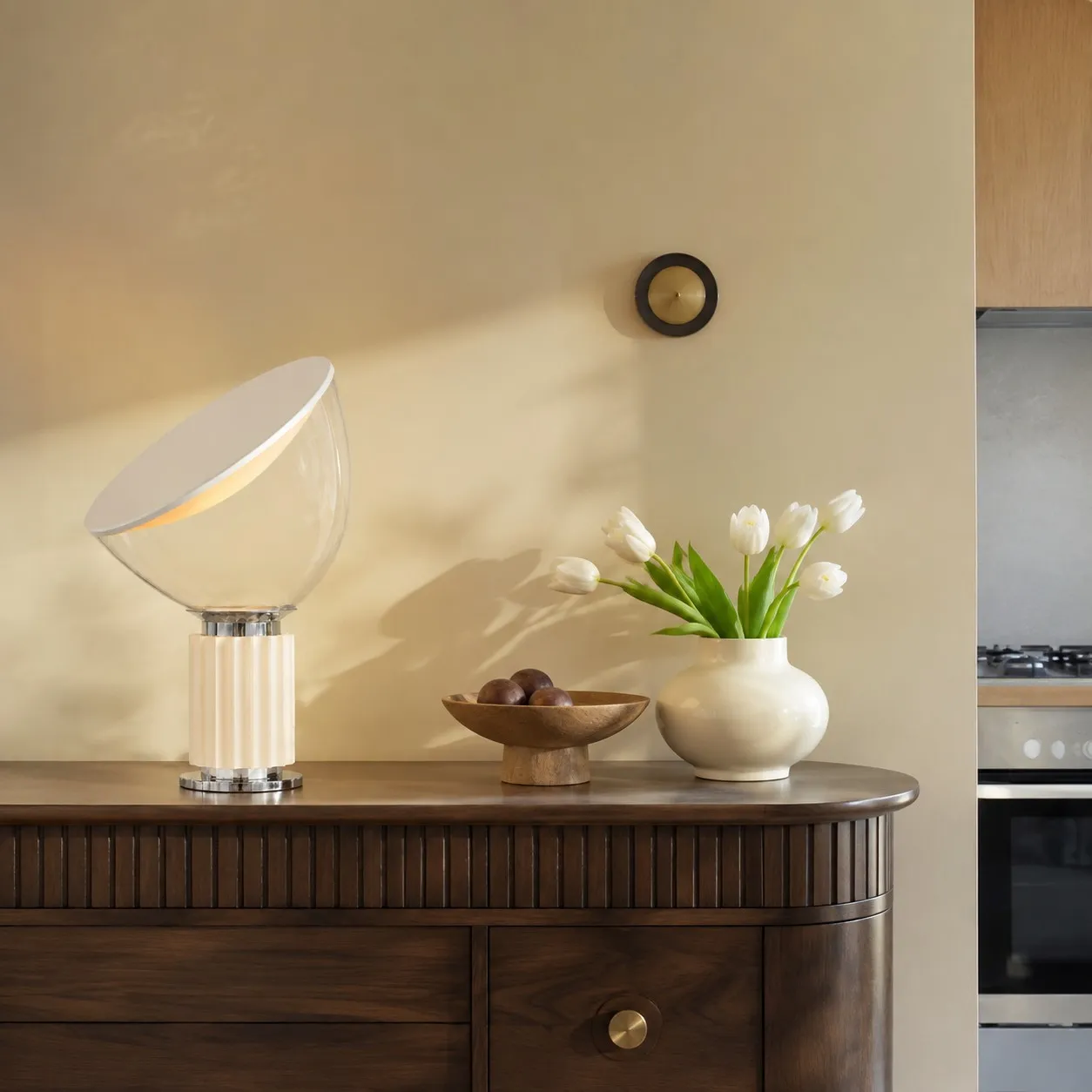
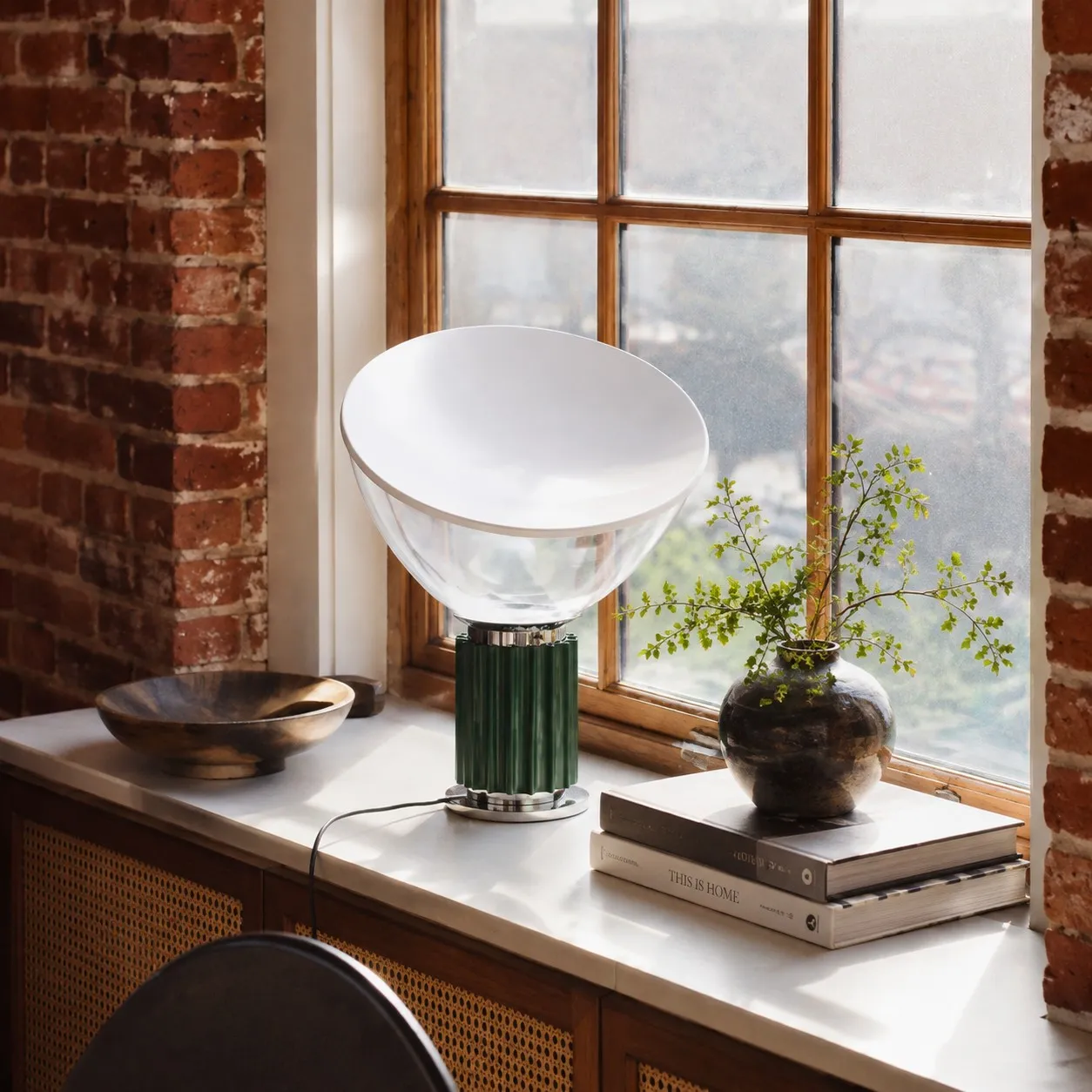
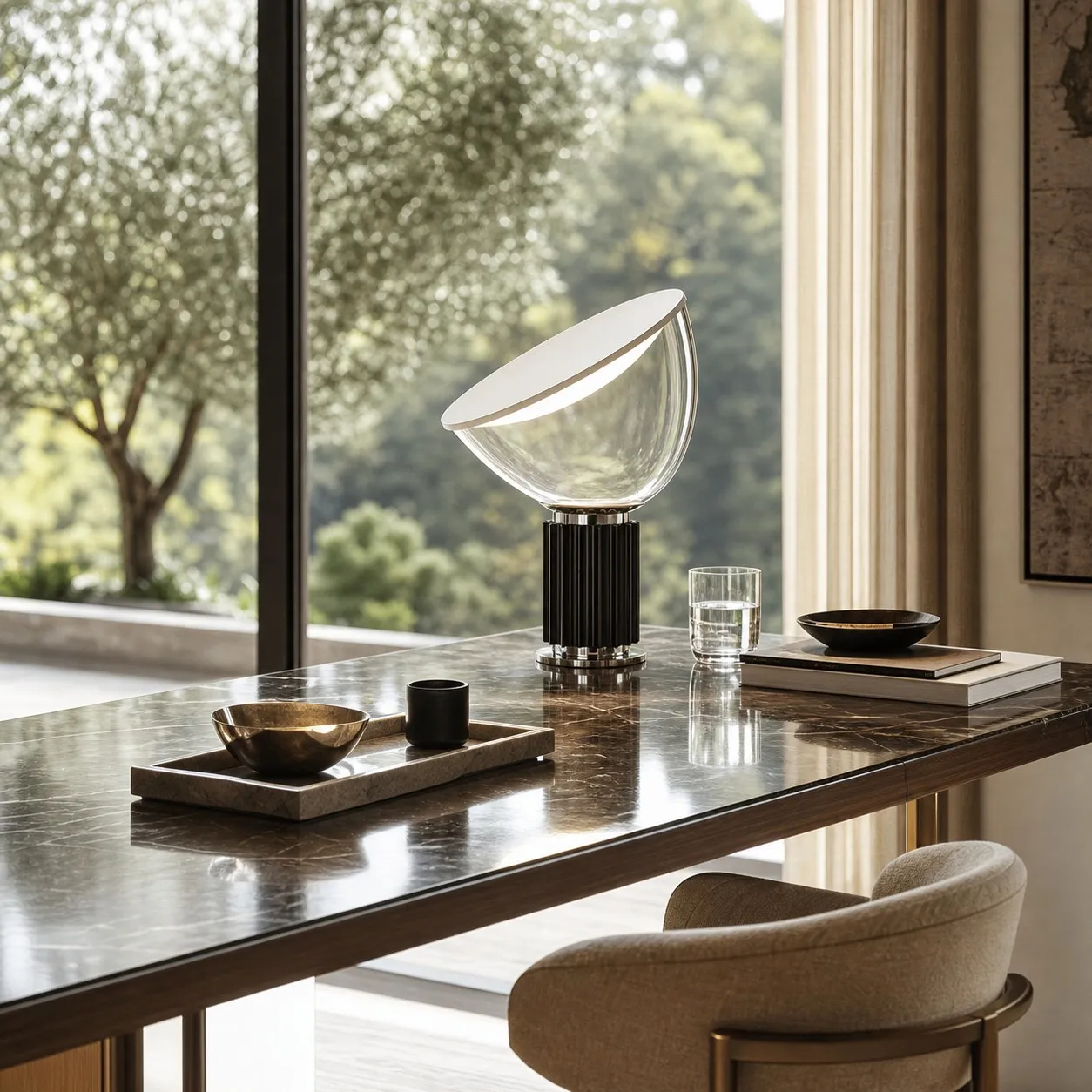
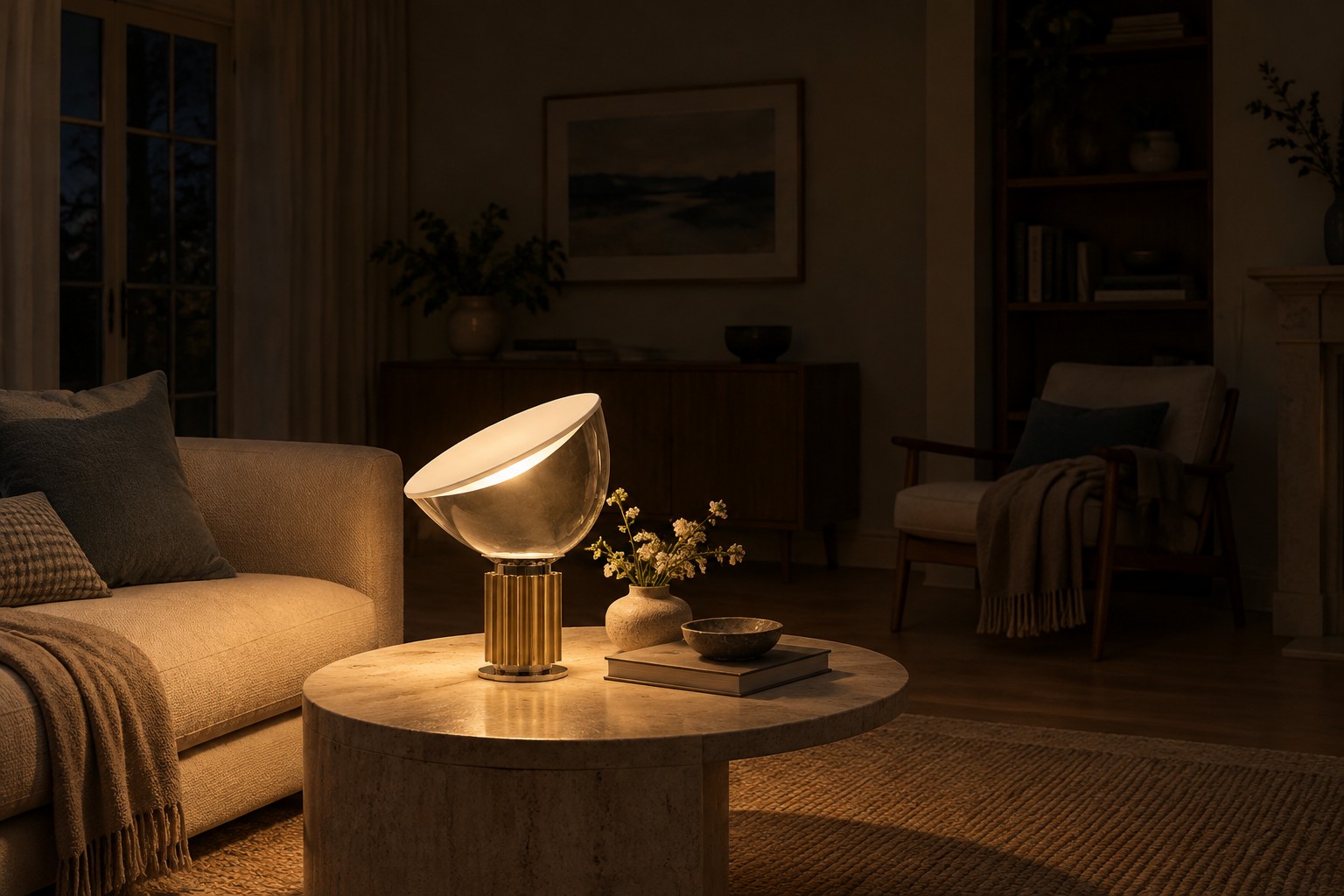
The lamp should still relate to something: the sofa, an artwork, a console composition or a reading chair. If it sits alone on an unrelated surface, it may look added rather than integrated. A substantial bowl-shaped lamp can act as a visual anchor when its surrounding surface is uncluttered.
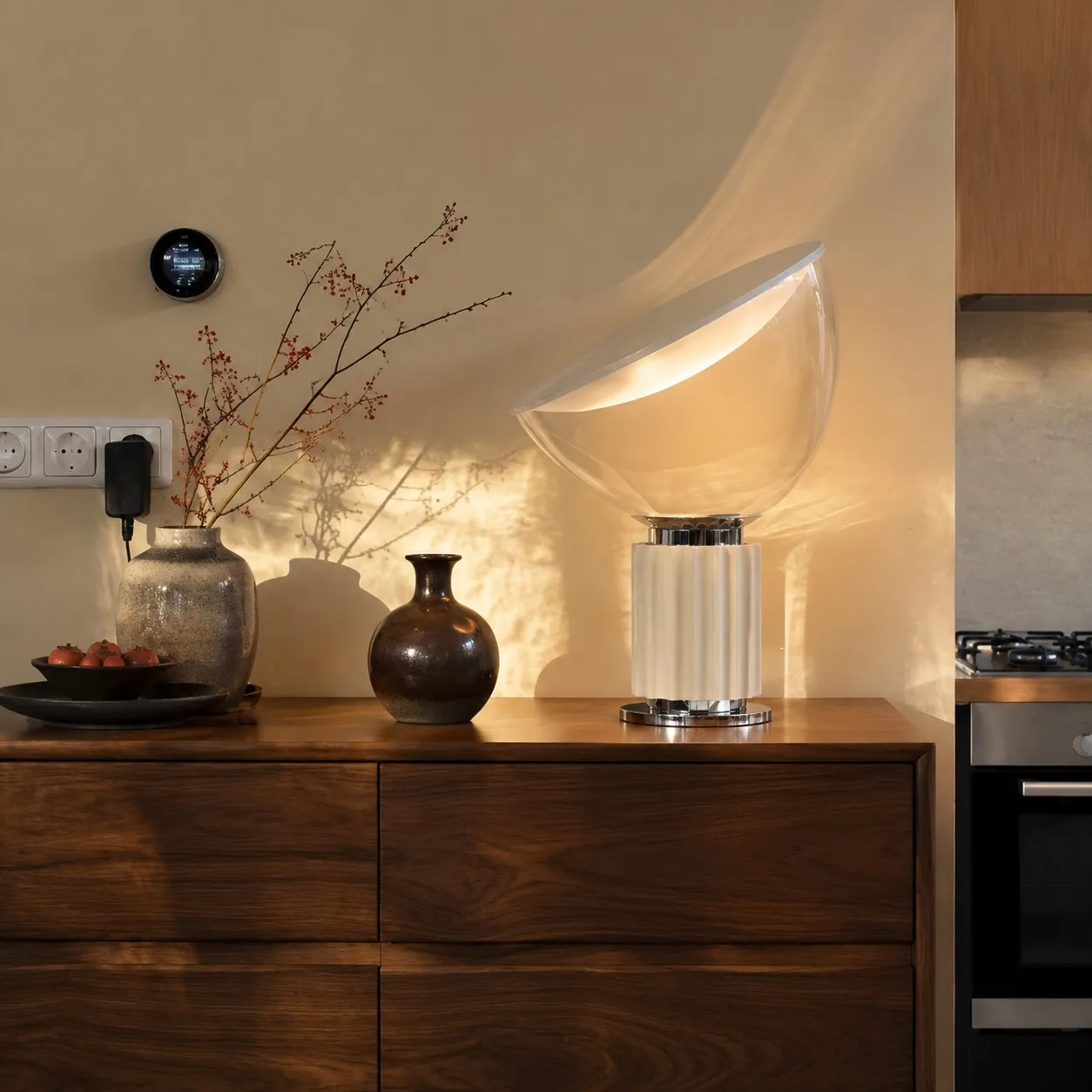
View the Taccia table lamp as an ambient layer
When the Lamp Cannot Fix the Room Alone
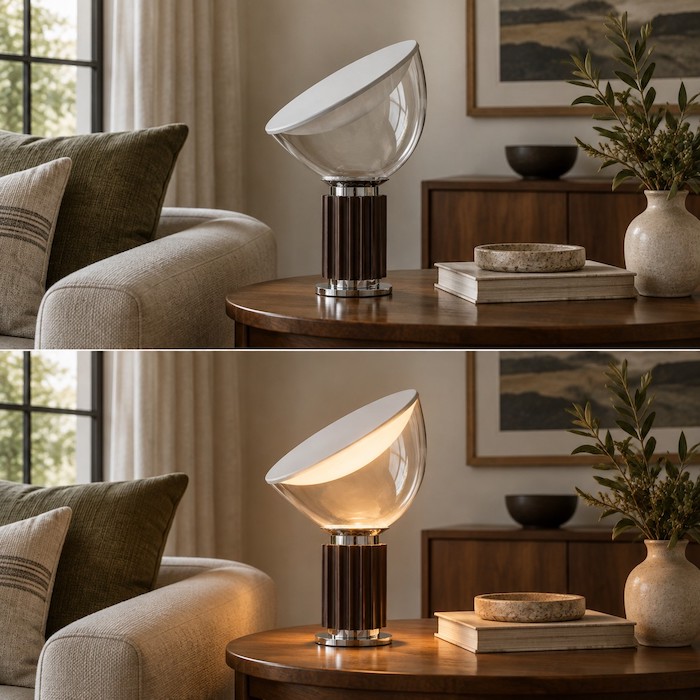
A second role is needed when the far side of the room disappears, a reading seat remains unusable or the only illuminated object is the lamp itself. This is especially common when a bright low lamp competes with a dark wall behind it. The eye sees a hotspot, not depth.
Placement may be the first correction. Move the existing lamp to connect with the seating or illuminate a meaningful background surface. The guide Where to Place a Table Lamp in the Living Room for Better Balance provides a room-zone method for deciding whether the lamp belongs beside the sofa, on a console or at the edge of a dark corner.
Four Reasons the Room Still Looks Flat
1. Every light is at the same height
Two low lamps can leave the upper walls and ceiling visually inactive. Introduce a higher floor lamp, wall light or controlled overhead source rather than another object at the same level.
2. All the light sits in one half of the room
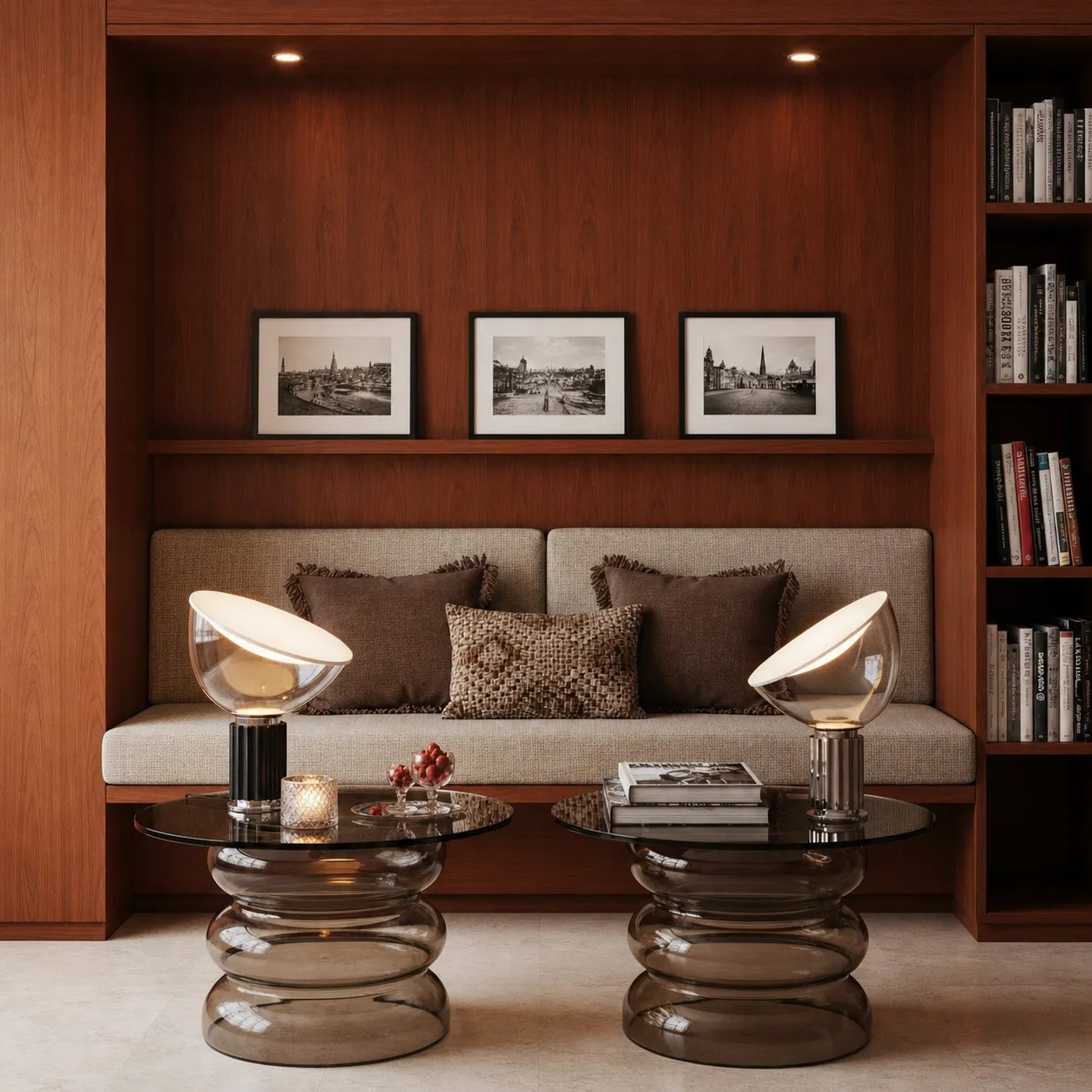
A cluster of lamps near the sofa may be useful but visually unbalanced. Redirect one source towards the opposite wall or relocate a lamp to a second activity zone.
3. The brightest source is visible, but surfaces remain dark
A visible bulb or reflector can make the lamp appear intense without sending comfortable light into the room. Change the viewing angle, bulb choice or shade strategy before increasing output.
4. Every source has the same purpose
Several soft decorative lamps can still leave a book, game or desk poorly lit. Conversely, several task lights may illuminate surfaces without producing a calm background. Assign at least one source to the actual activity and another to the broader room.
Fix the Layers in This Order
- Move the existing table lamp closer to the activity or background it should support.
- Reduce visible glare so the eye can register darker surfaces around it.
- Use another existing light at a different height or on the opposite side.
- Add a dedicated task light only where an activity still lacks useful illumination.
- Add a new decorative source only after the missing role is clear.
This order avoids buying a second lamp that repeats the first lamp's weakness. It also lets you judge whether the issue is distribution, direction or genuinely insufficient light.
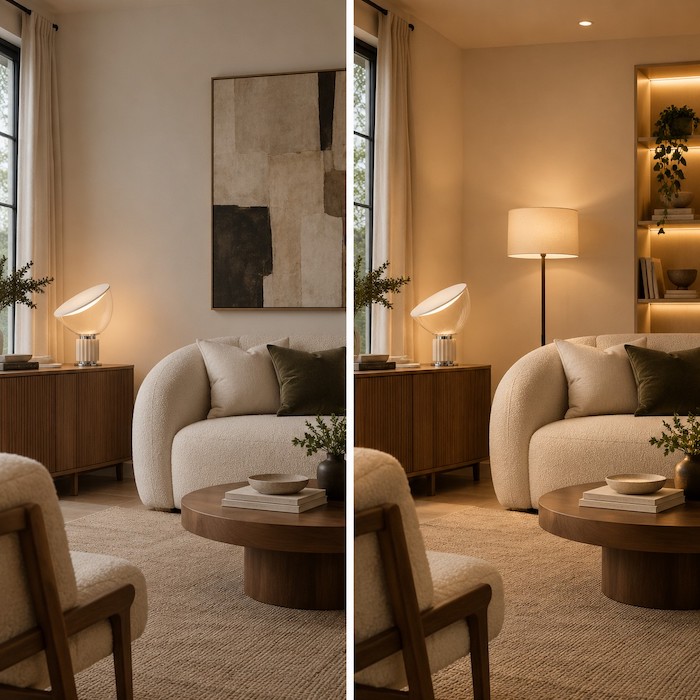
Do Not Confuse Warm Styling with Lighting Depth
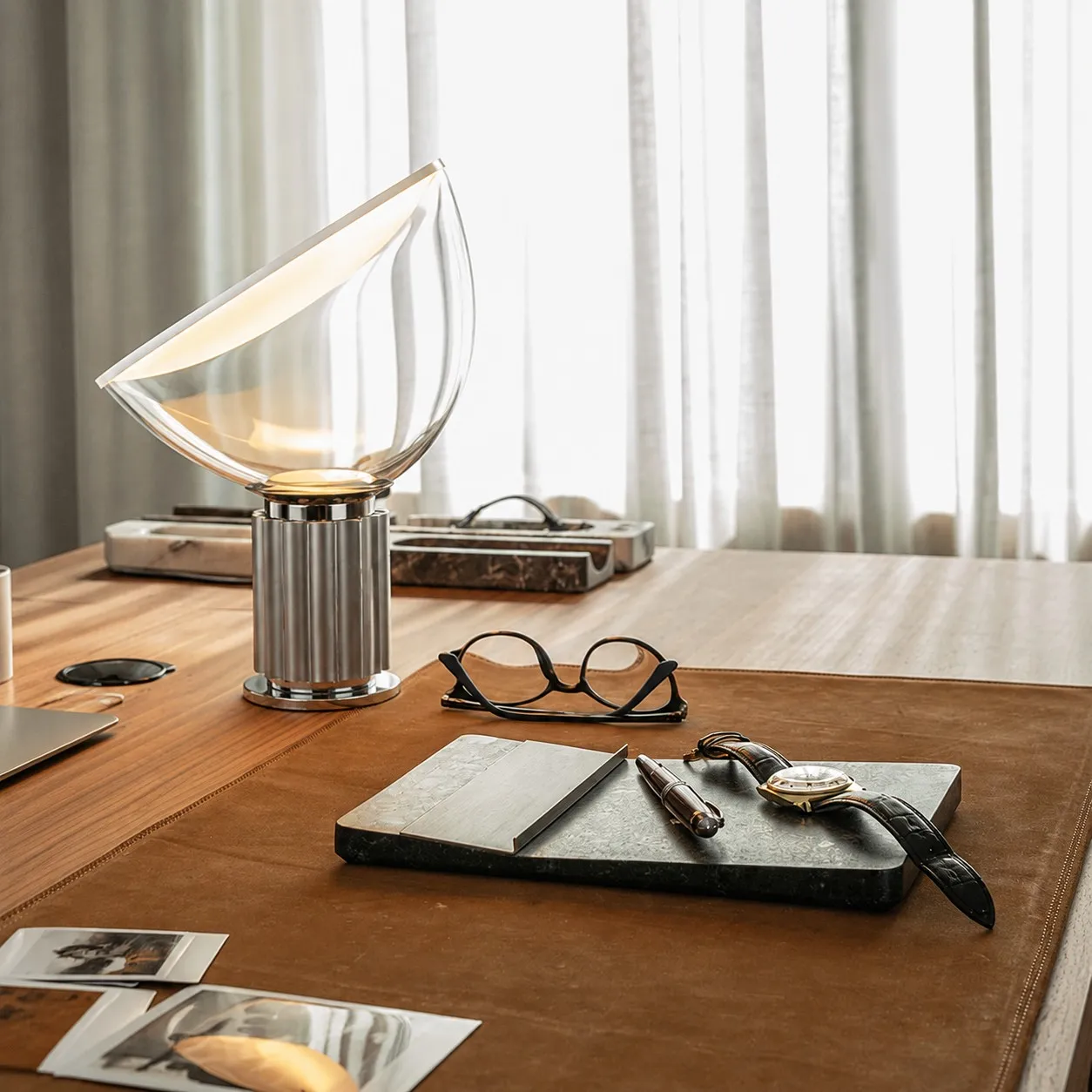
Warm wood, grey-beige textiles and muted green details can make a glass lamp feel more connected to the room, but styling cannot replace missing functional layers. Use colour and texture to integrate the fixture after its lighting role and position are working.
When the missing layer is beside a chair or on a console, use How to Choose a Table Lamp for Task Light and Evening Ambience to decide whether the next source should provide directional task light or a softer ambient pool. Keep this page focused on distributing those roles through the room.
Use the Taccia as One Layer, Not the Whole Scheme
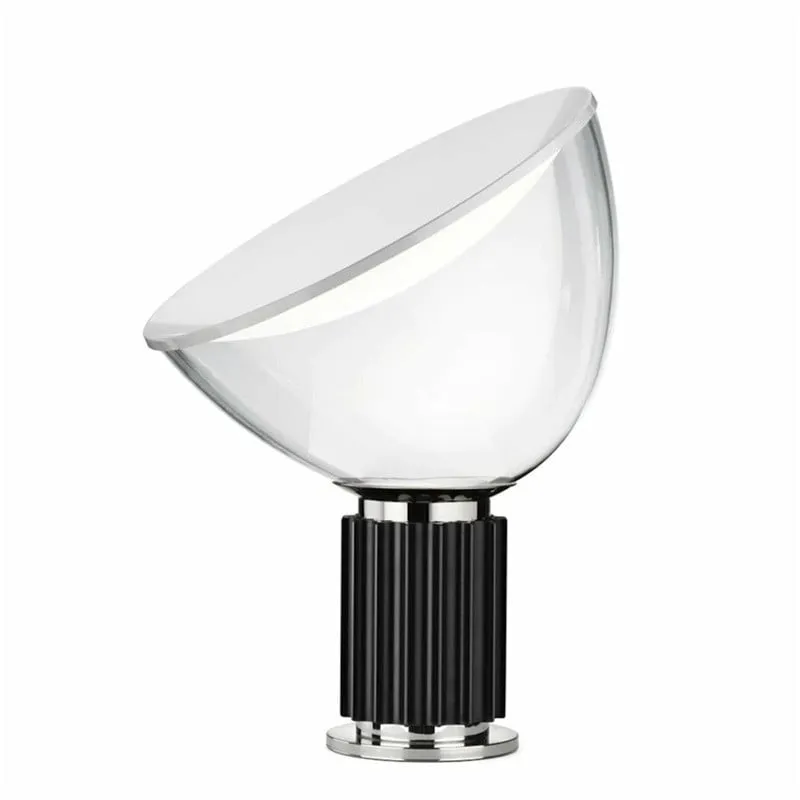
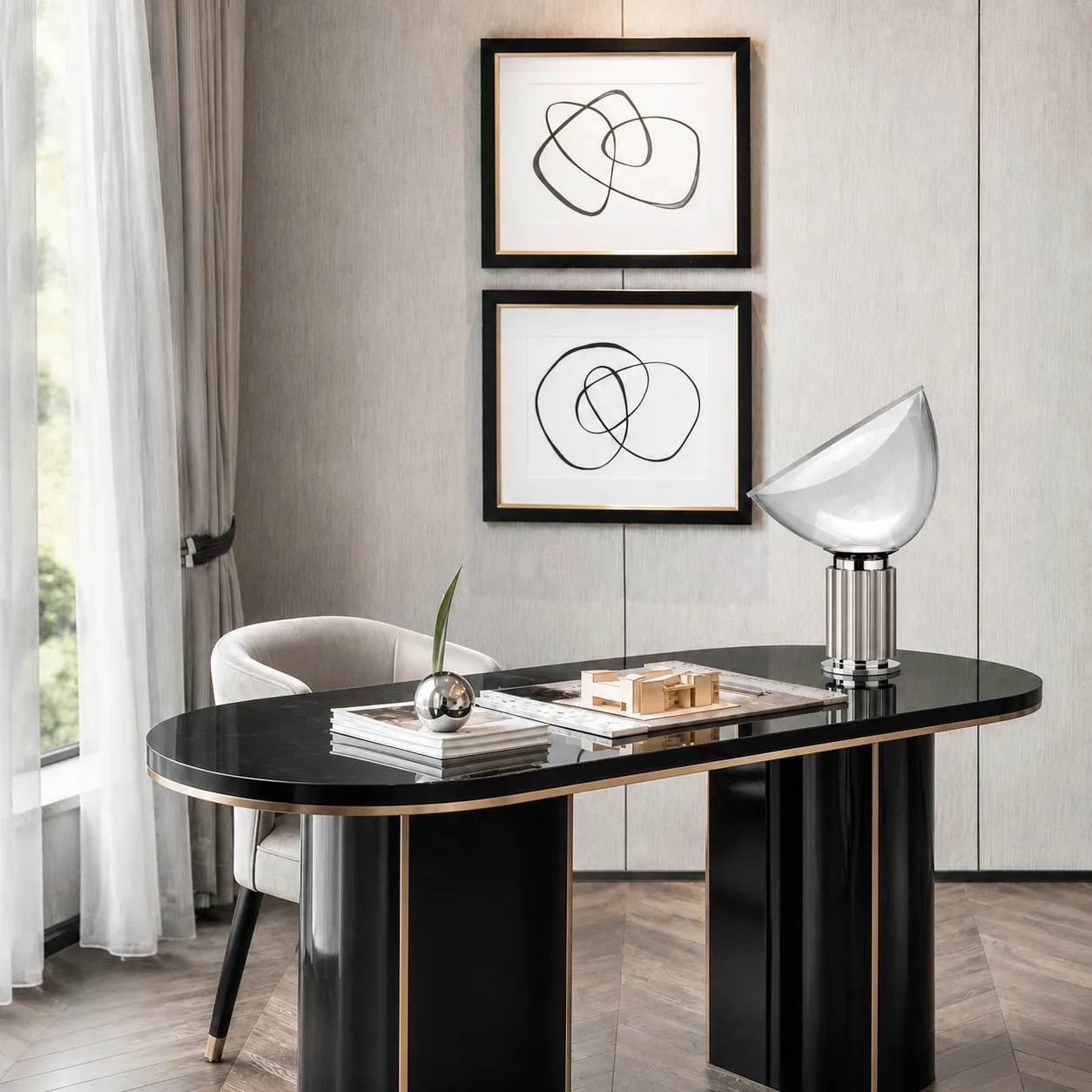
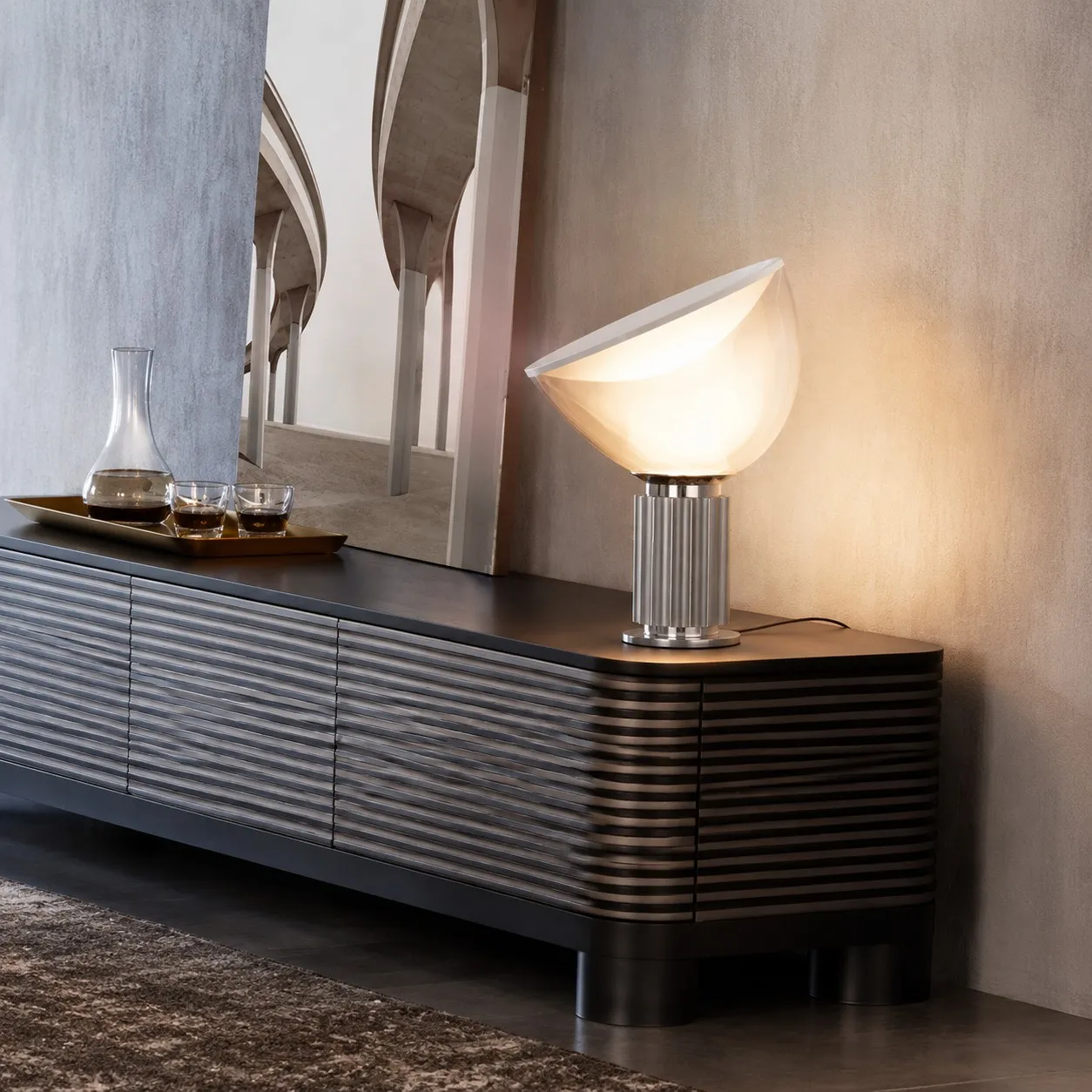
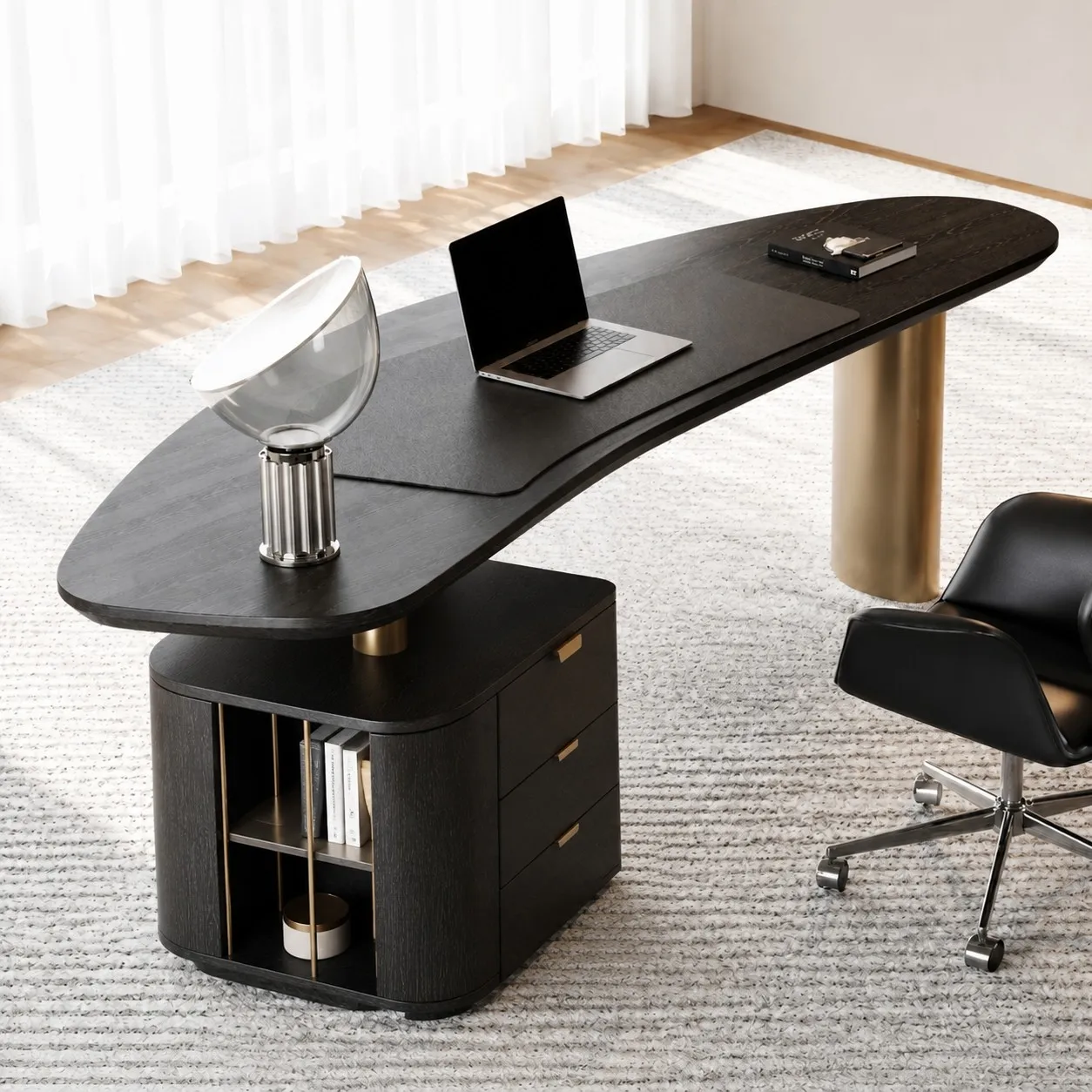
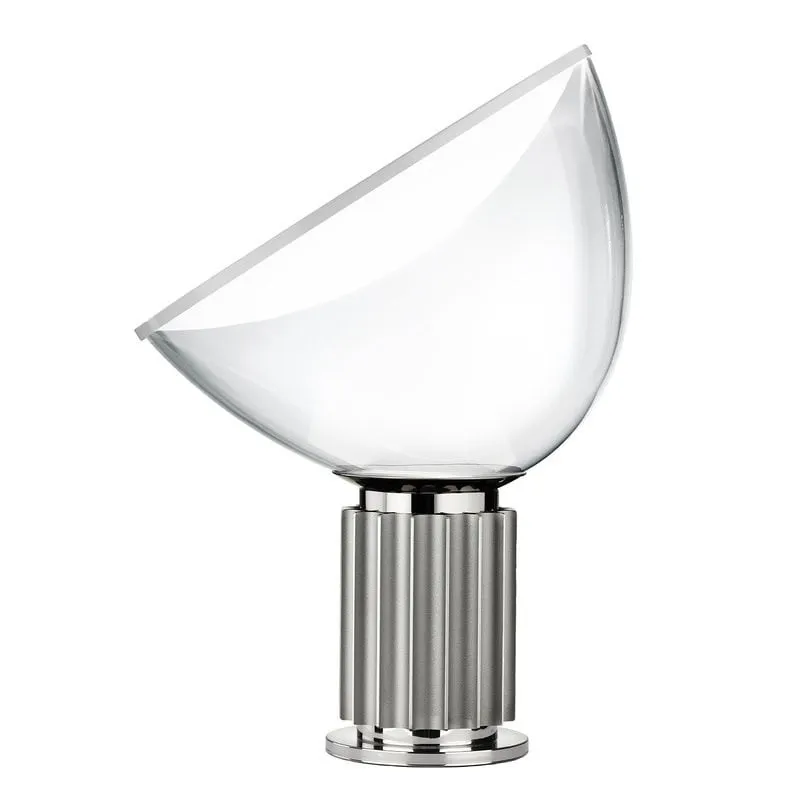
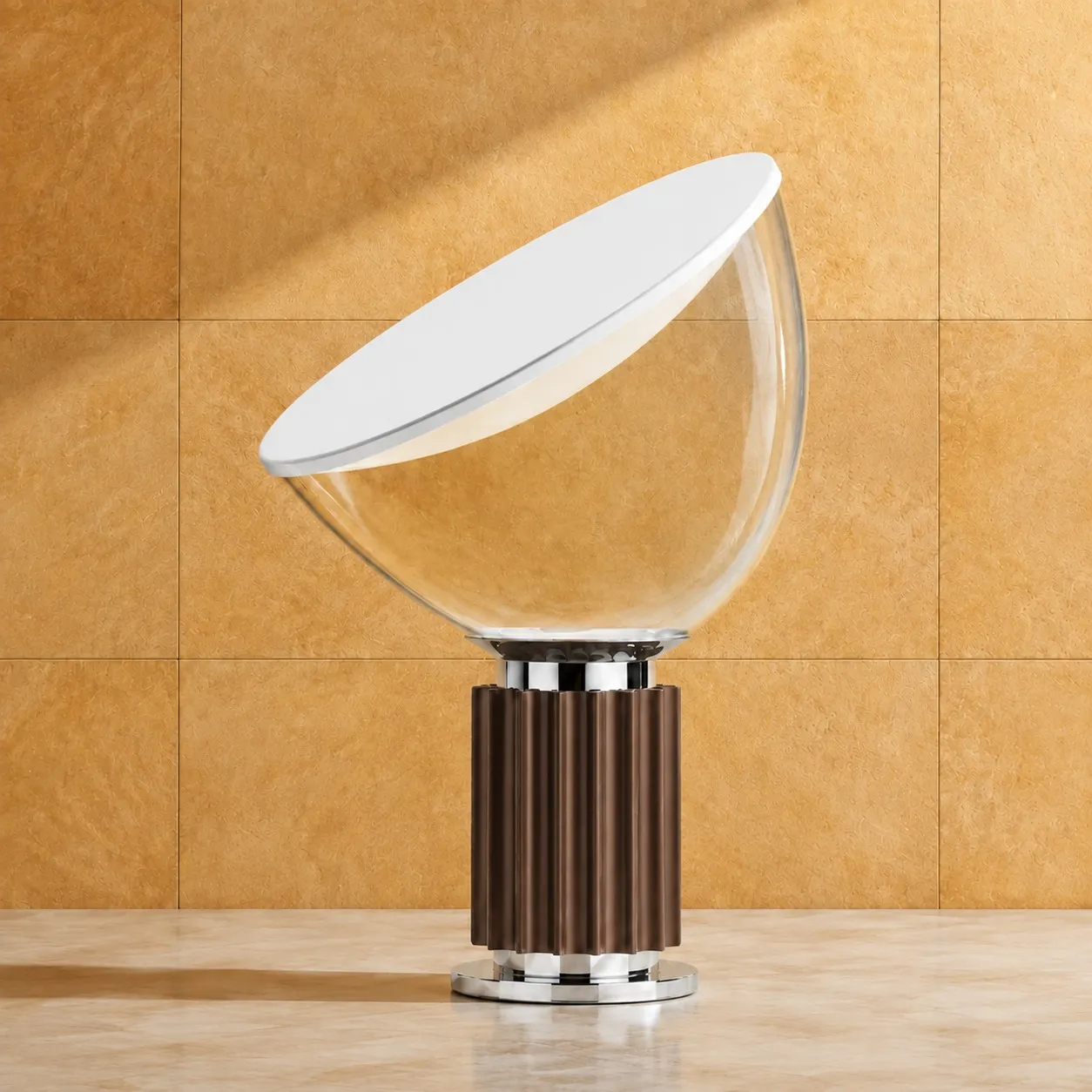
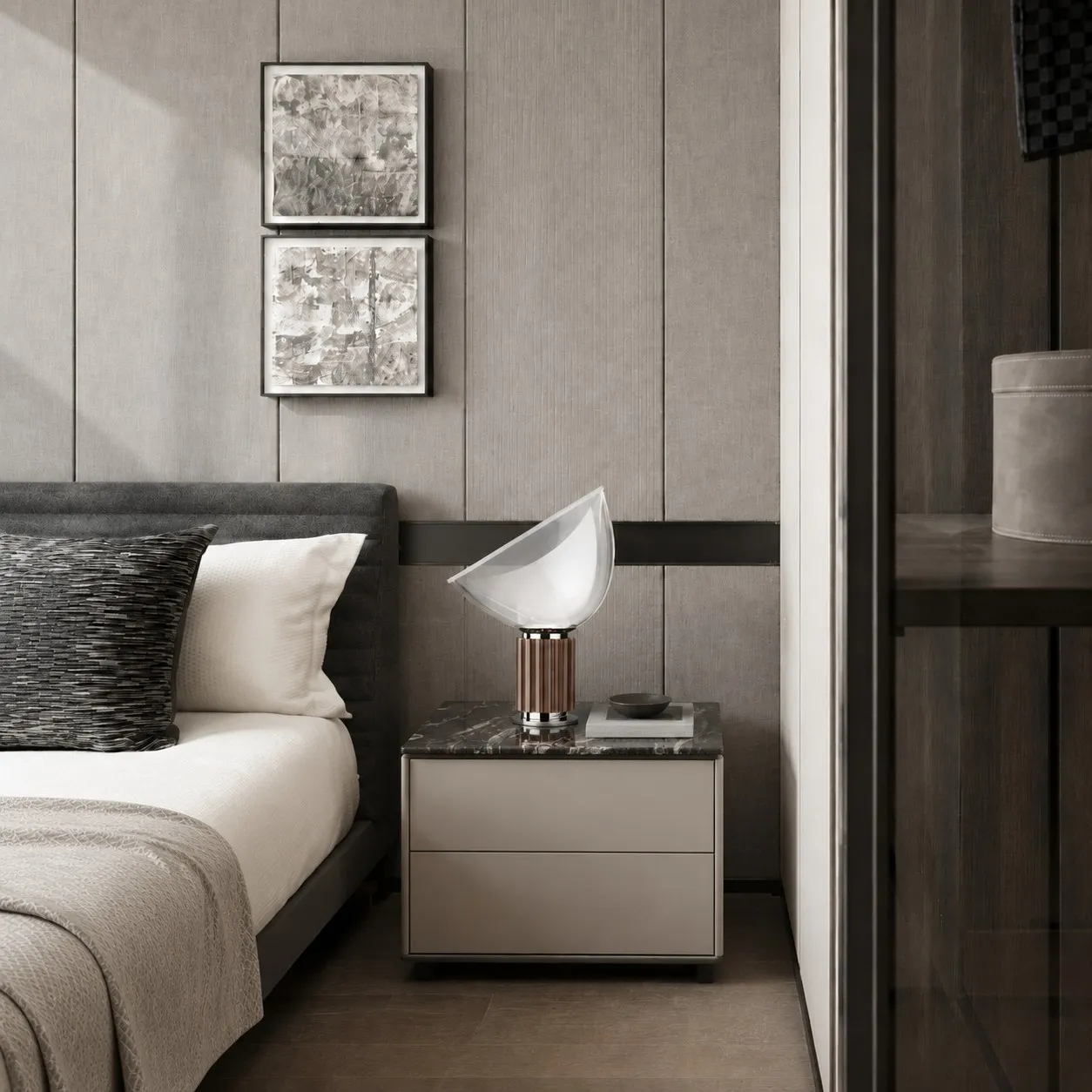
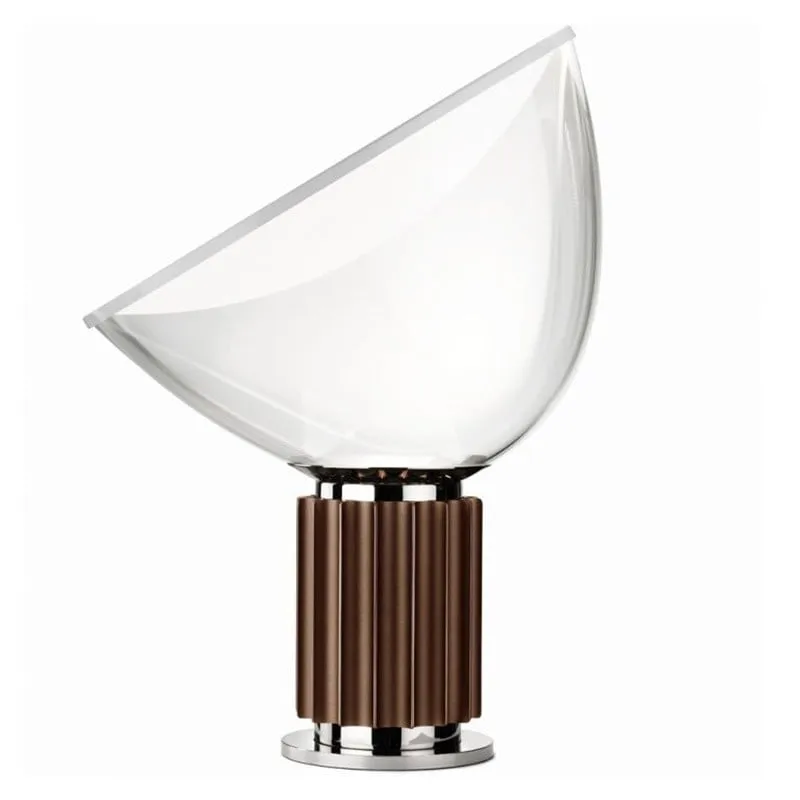
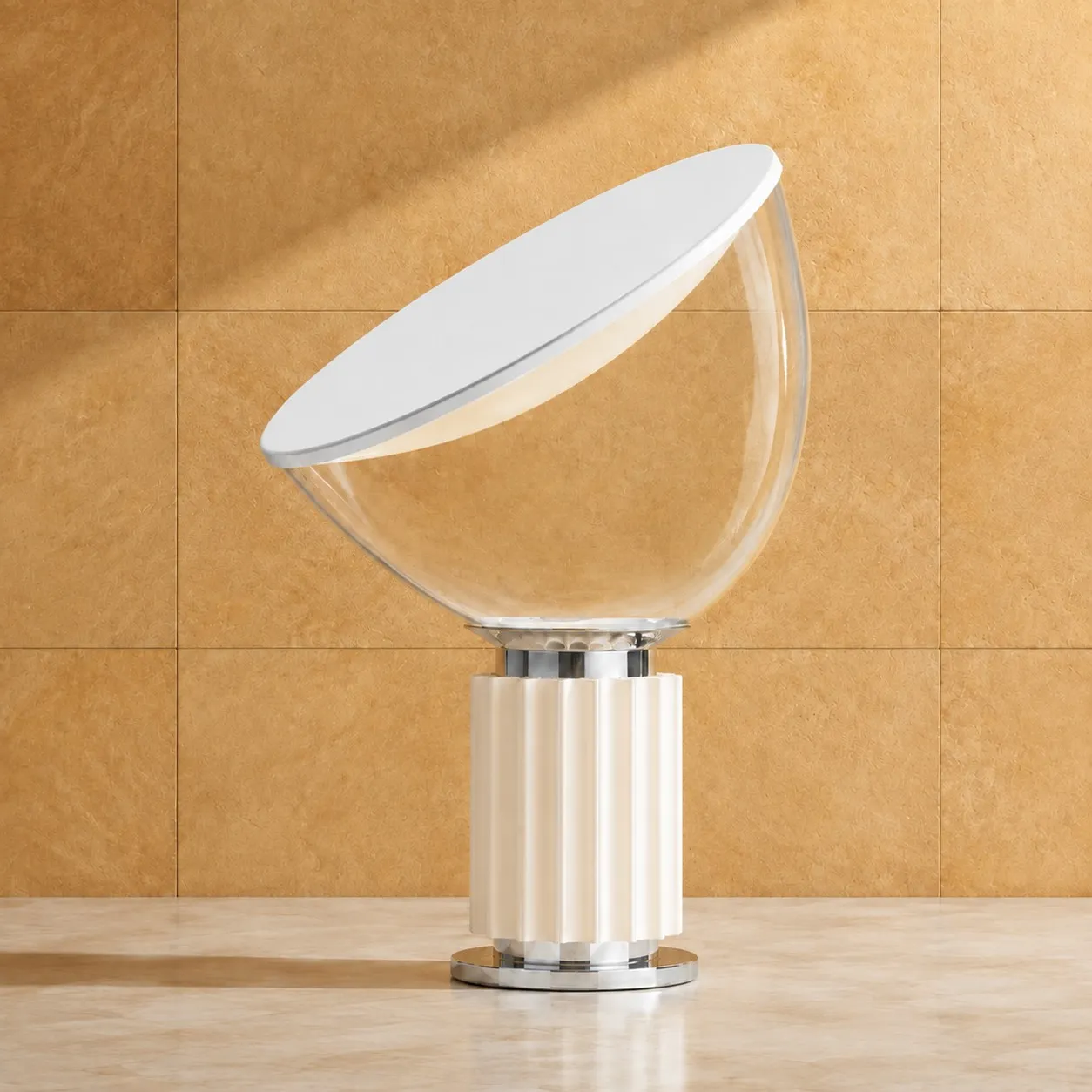
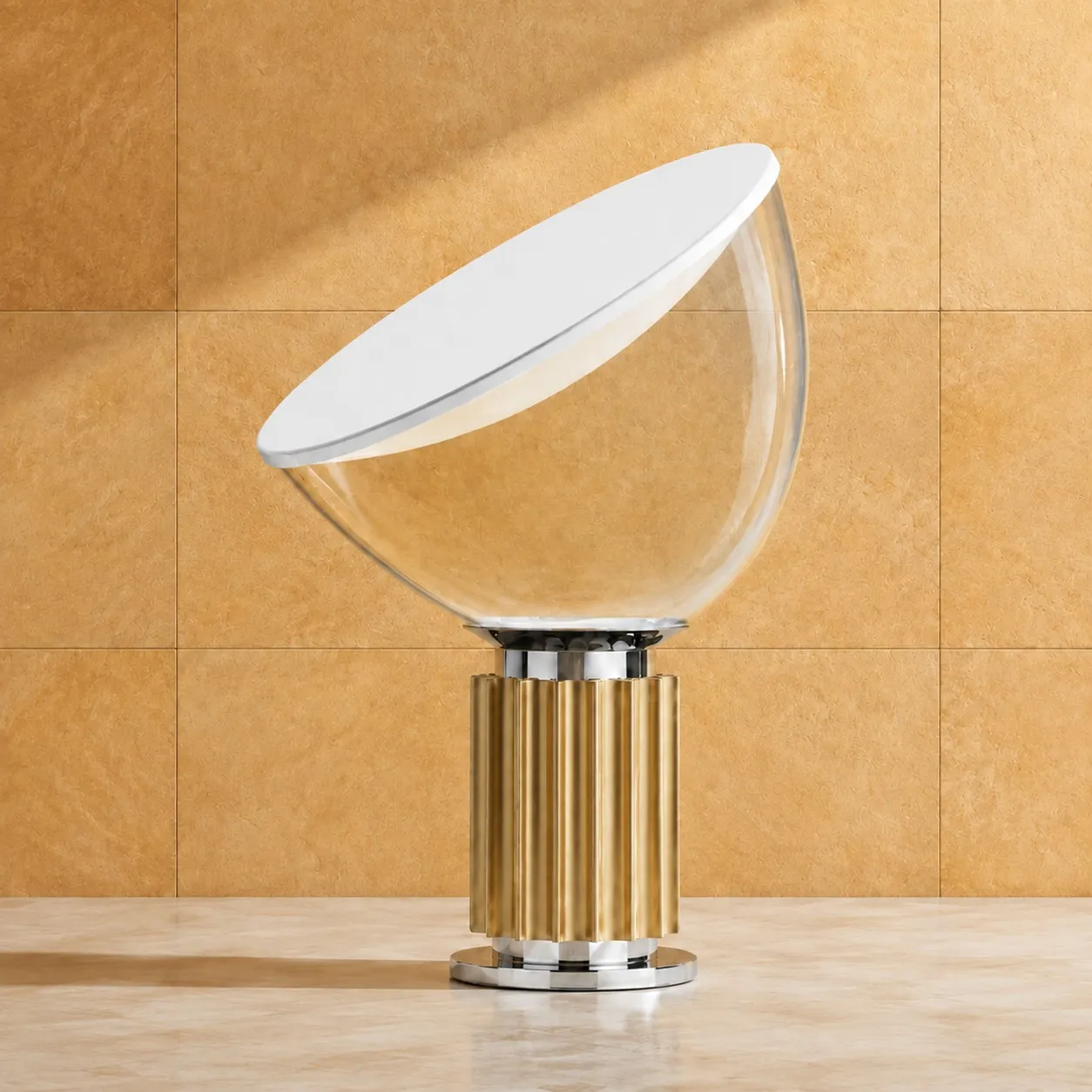
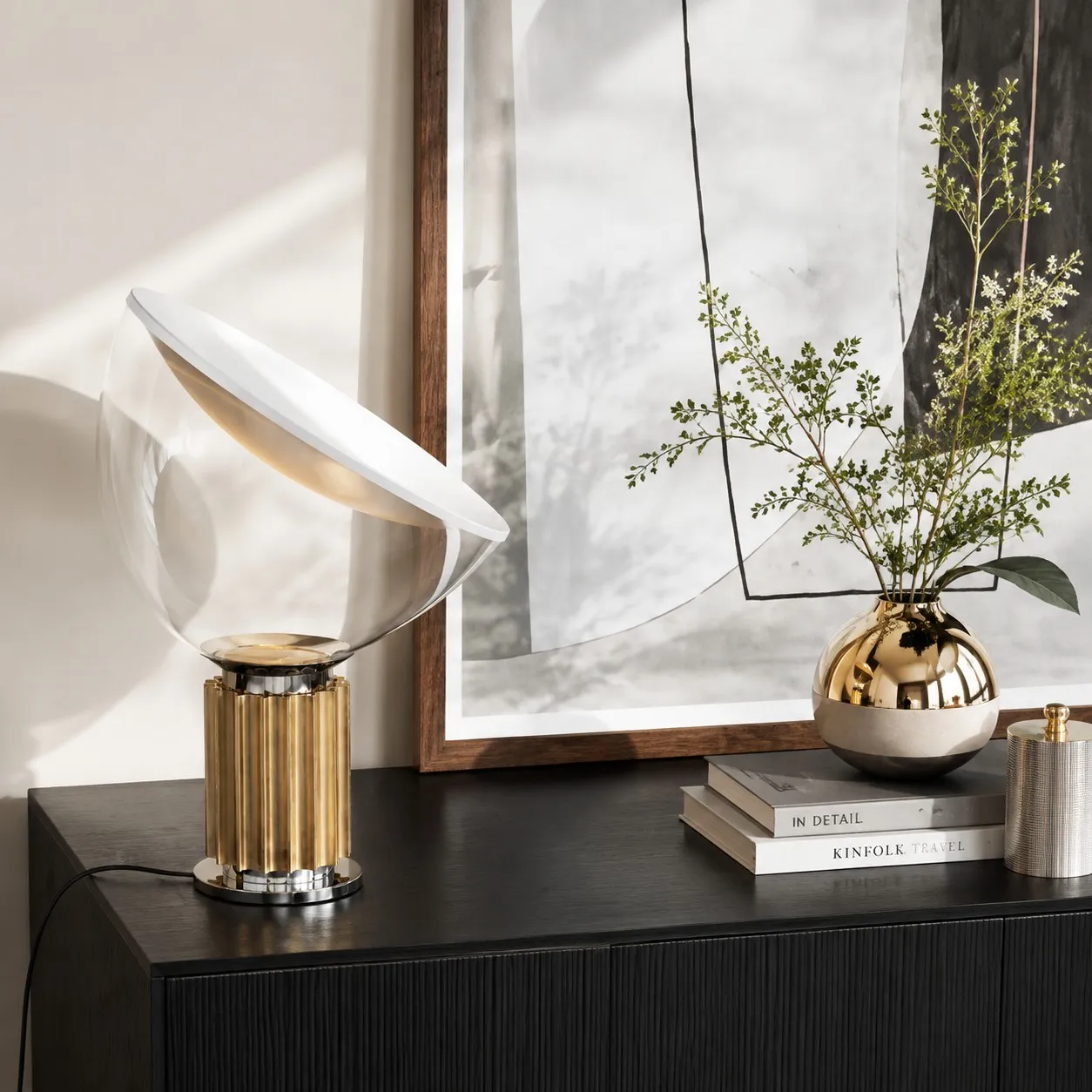
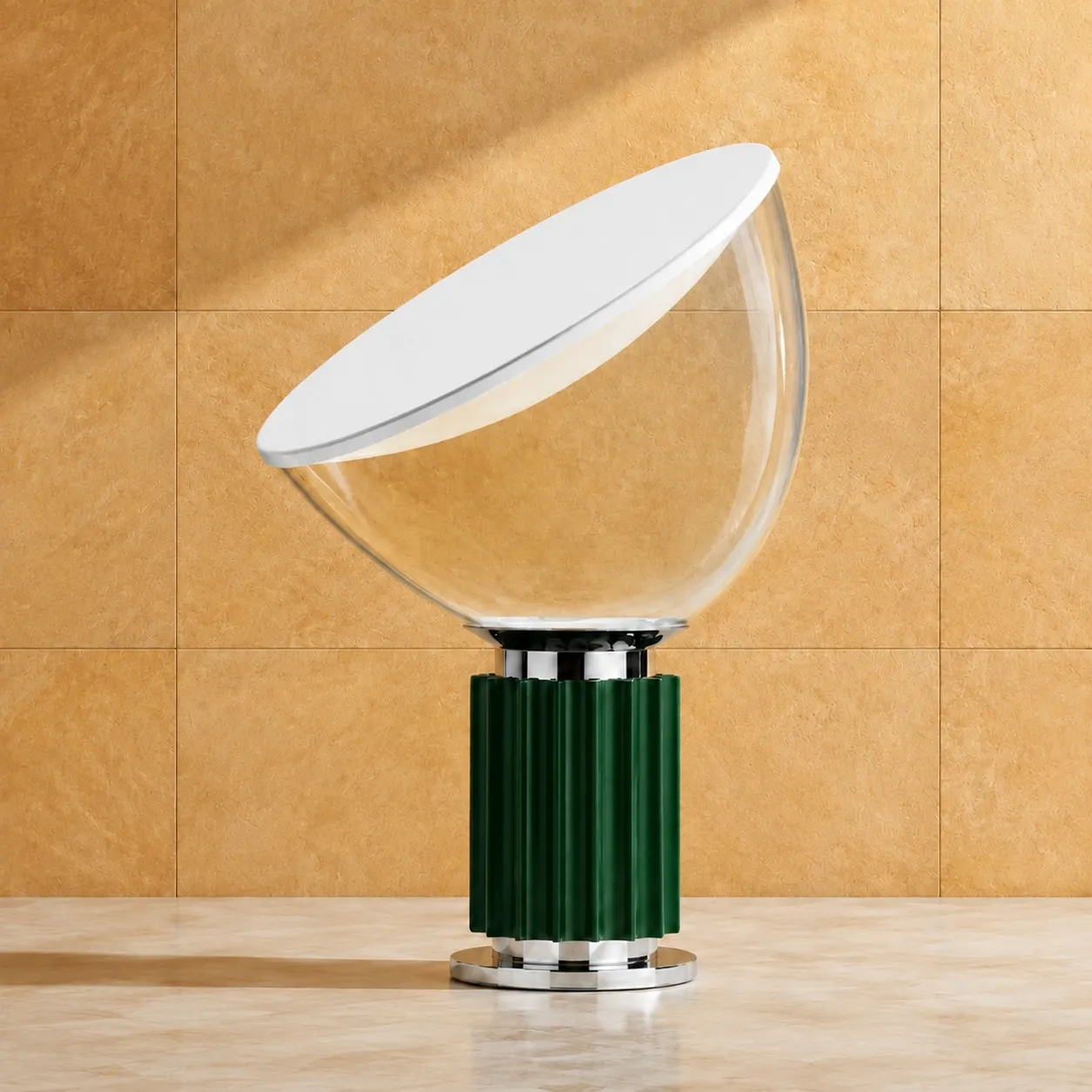
The Bowl Shape Glass Table Lamp combines aluminium, glass, ABS and PC in a strong sculptural silhouette. Black, Silver, Bronze, Warm White, Brushed Brass and Deep Green finishes can give a console or seating zone different visual weight. The two sizes make it possible to choose a presence appropriate to the supporting surface.
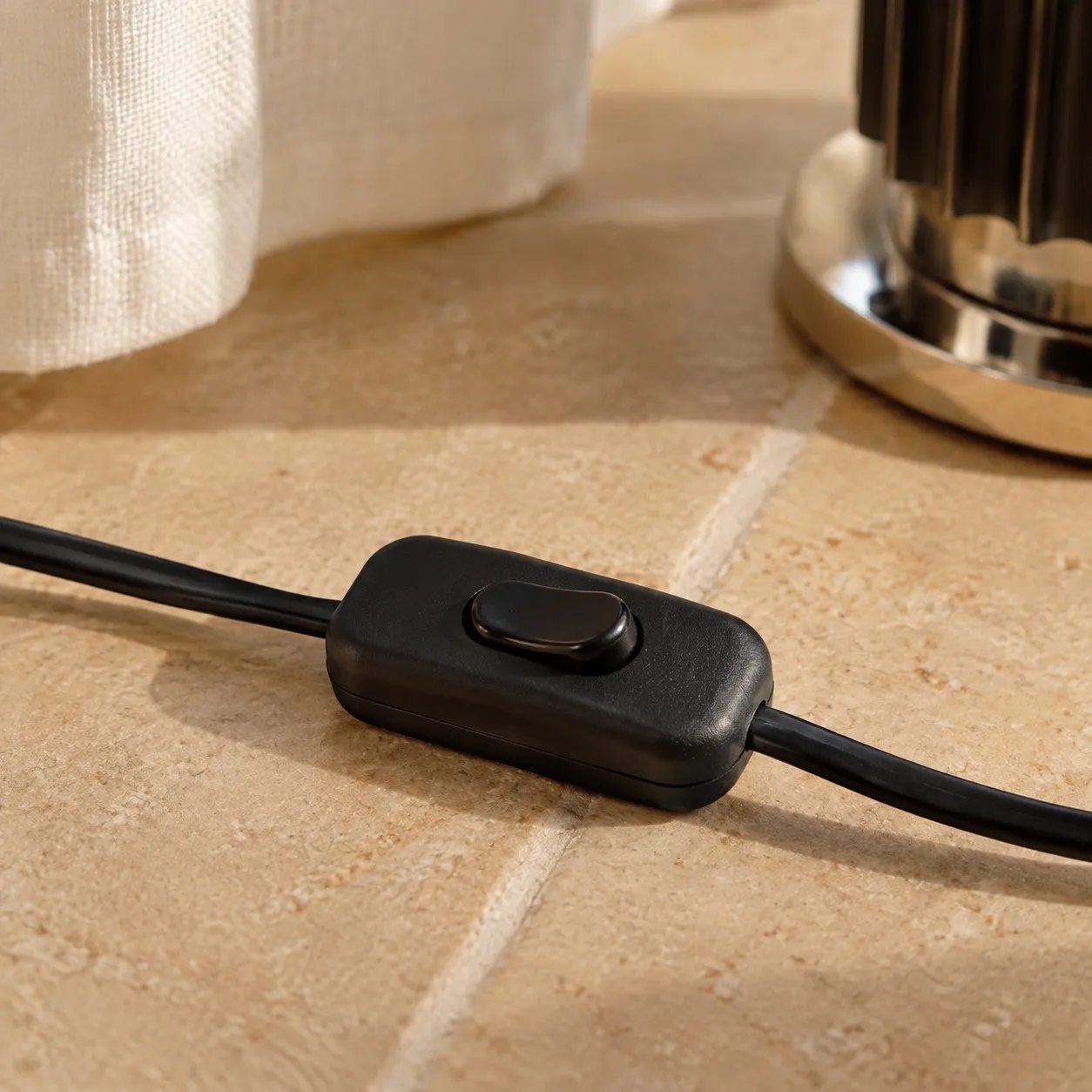
The current listing specifies E27, a maximum of 40 W, a bulb that is not included and a 360-degree rotating shade. Confirm the live regional specification and plan the rest of the room around the lamp's ambient role. If a reading chair needs precise directional light, pair this layer with a suitable task source rather than expecting it to replace one.
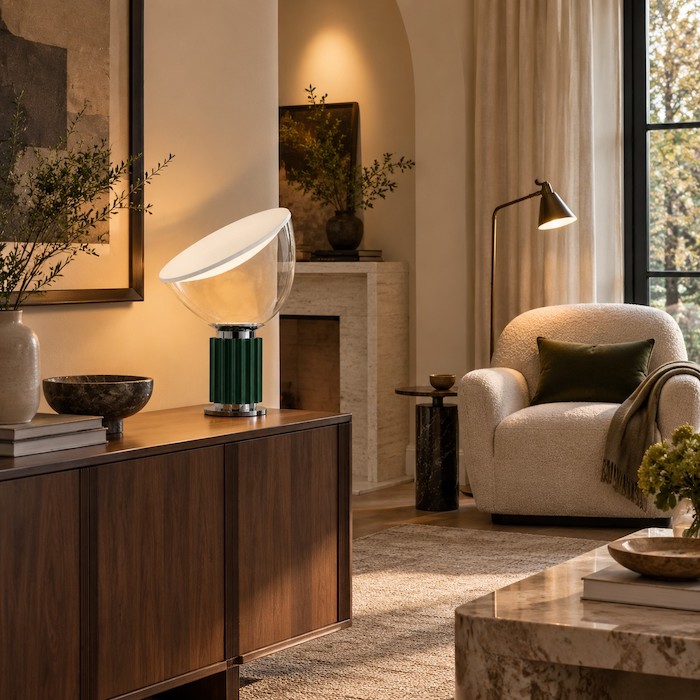
Check the Taccia dimensions and finishes
Common Questions About Layered Living-Room Lighting
Why does my living room still feel dark with a table lamp?
The lamp may light only itself or one small surface. Redirect or add light to the activity area and a separate background zone.
Can I create a cosy living room without using the ceiling light?
Yes, if several lower sources cover movement, activities and background surfaces without leaving unsafe or impractical dark areas.
Is one table lamp enough for a living room?
It can be in a compact room with other general lighting. It is rarely enough when it is the room's only functional and ambient source.
Do all lamps need to match?
No. They can differ while sharing a finish, proportion, colour temperature or visual character that makes the room feel intentional.
How many layers of light should a living room have?
Use roles rather than a fixed number: general ambience, light for real activities and selected emphasis where the room needs depth.